



About Fens – Back Bay
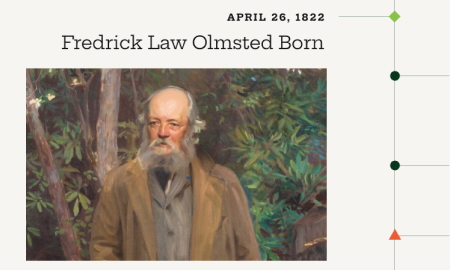
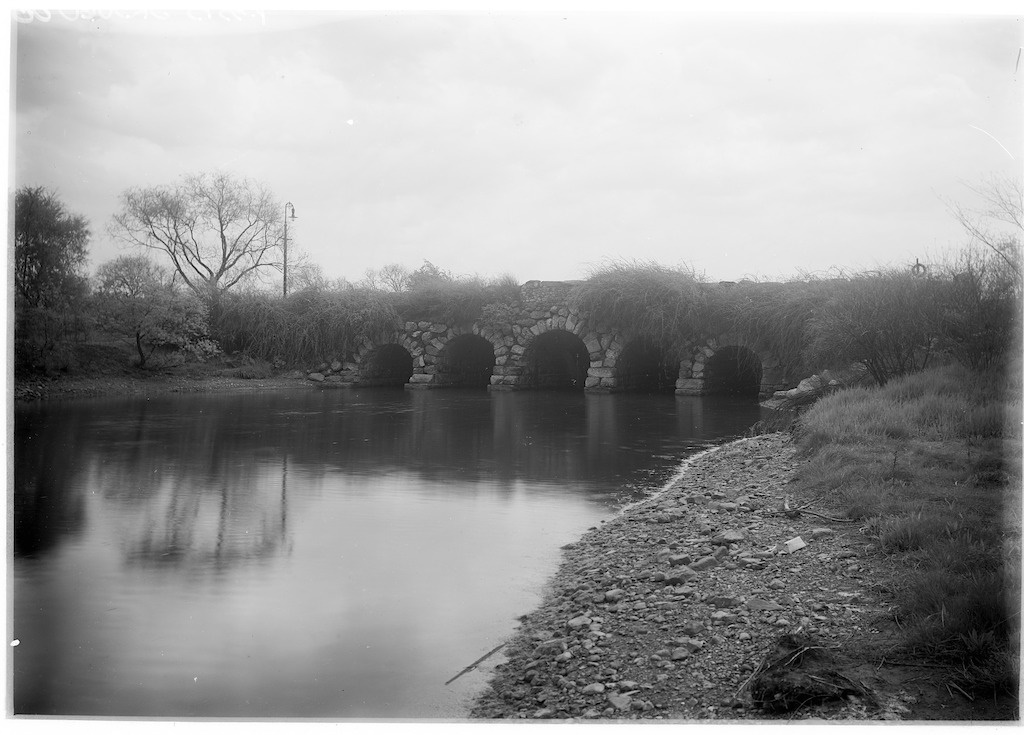
Despite refusing to enter a design competition held by the City of Boston, Frederick Law Olmsted was awarded the commission for Back Bay Fens in 1878. Part of Boston’s Emerald Necklace, the Back Bay Fens was a resting place for sewage before Olmsted and his son, John Charles Olmsted, implemented sanitary engineering. In order to manage the changing tides and maintain a healthy habitat for native wildlife, Olmsted proposed to cover the muddy flats and shores with “marshy plants in considerable variety.” Olmsted transformed the marsh, defining waterways and introducing surrounding greenspaces. In his 1880 report, Olmsted shared his recommendation for public access, proposing “The entire length of the shore is to be 4 miles, and the boating tour of the bay about three miles.”
Improvement of the unsanitary conditions led to development of the abutting land into elegant residential properties, including several cultural and educational institutions.
When the Charles River was dammed thirty years later, the fens became a freshwater bay, drastically changing the ecology of the site. In the 1920’s, the area underwent alterations by landscape architect Arthur Shurcliff which included gardens and athletic fields. Also see job 00927 Muddy River.
[FLO to Board of Park Commissioners_1880-01-26_FLOP-C-GC-R27im. Approx 55] [FLO to Charles Sprague Sargent_1879-01-27_Papers of FLO-v.7-p.389]