

About Franklin Park
About Franklin Park
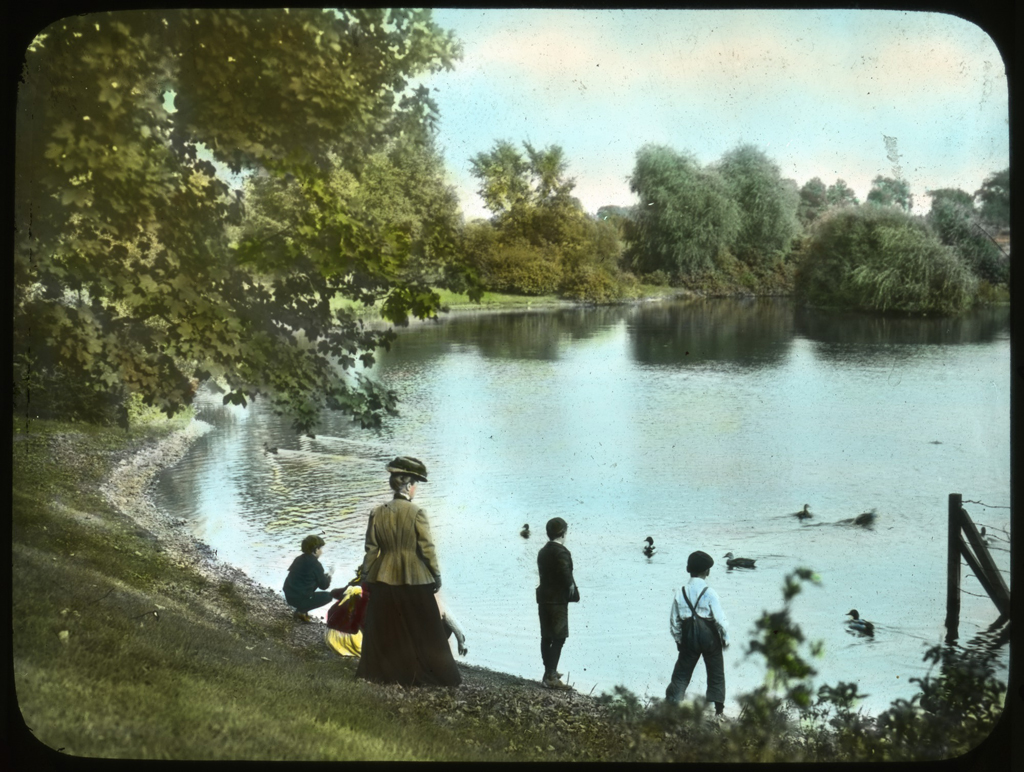
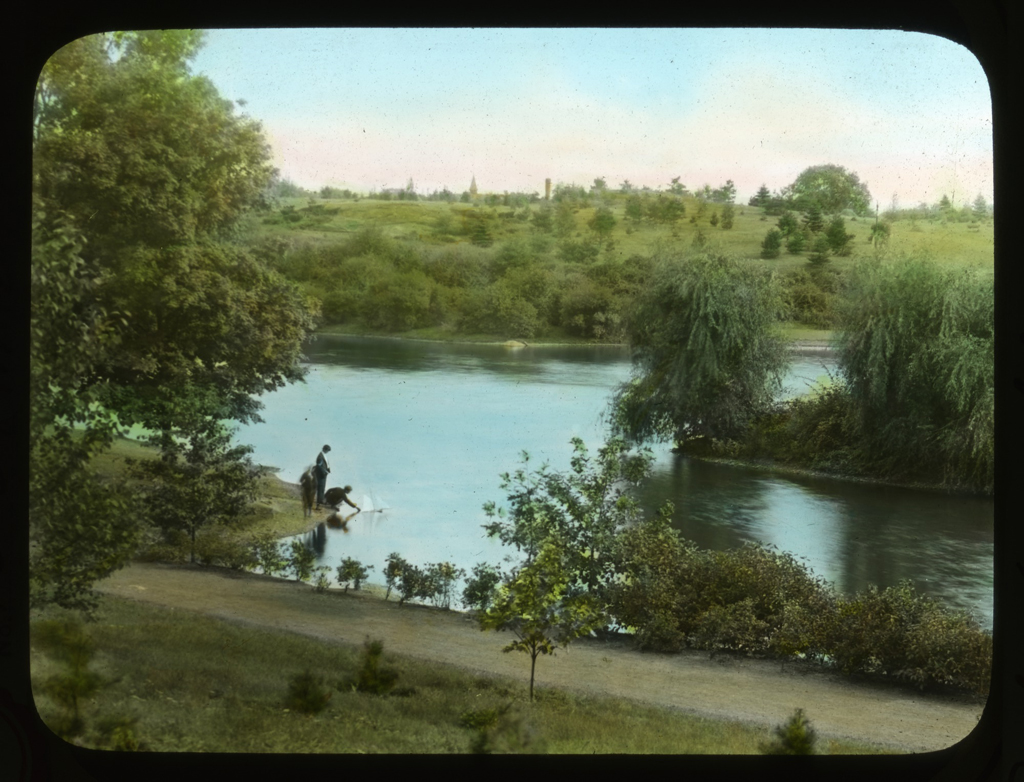
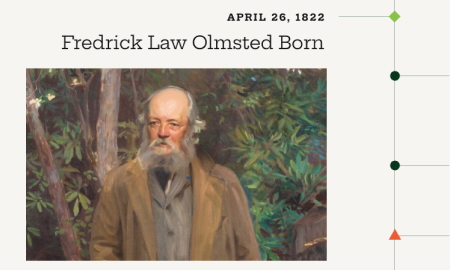
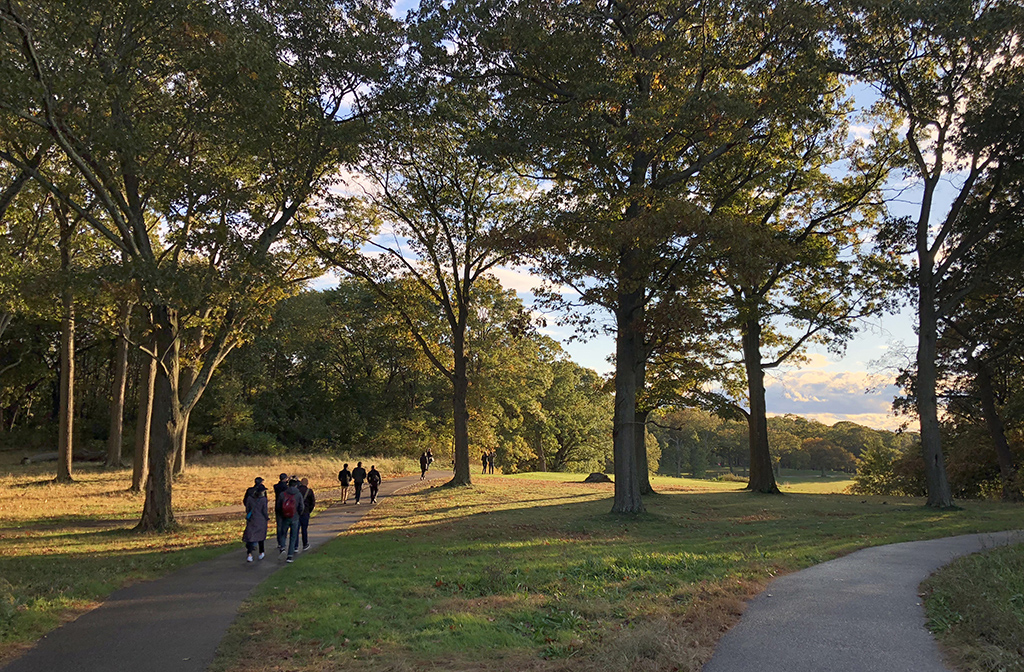
At 526 acres, Franklin Park is the largest single green space in the city of Boston and is considered the “crown jewel” of the historic Emerald Necklace park system designed by Frederick Law Olmsted.
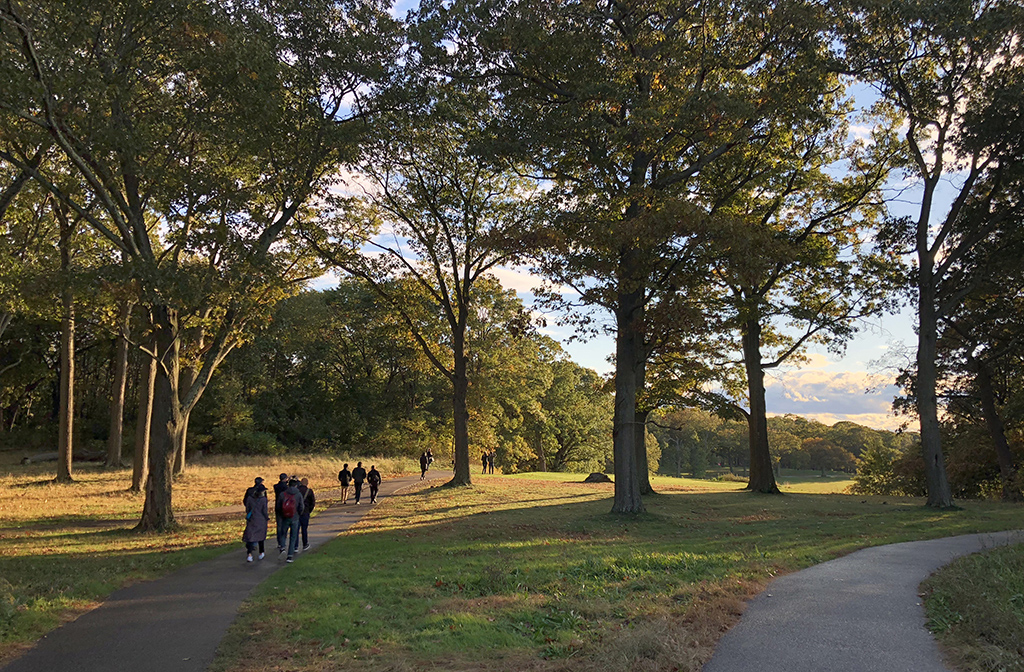
Before it was parkland, the area now known as Franklin Park consisted of various woodlands and small farms several miles away from downtown Boston. This largely undeveloped tract of land was of great interest to Olmsted, who wrote in 1876 that the land “seems to possess more advantages for the purpose [of a large park] than any other I have seen near Boston.” Unlike other notable projects such as Central Park, Olmsted found the existing environment already quite suitable, and his design intended to accentuate the natural beauty it already possessed. While other parks in the area hosted playgrounds and ballfields, his vision for Franklin Park was to offer a piece of authentic New England scenery that would encourage more unstructured activity. At the time, he referred to the site as “West Roxbury Park,” though it would be renamed in honor of Boston native Benjamin Franklin before its official opening.
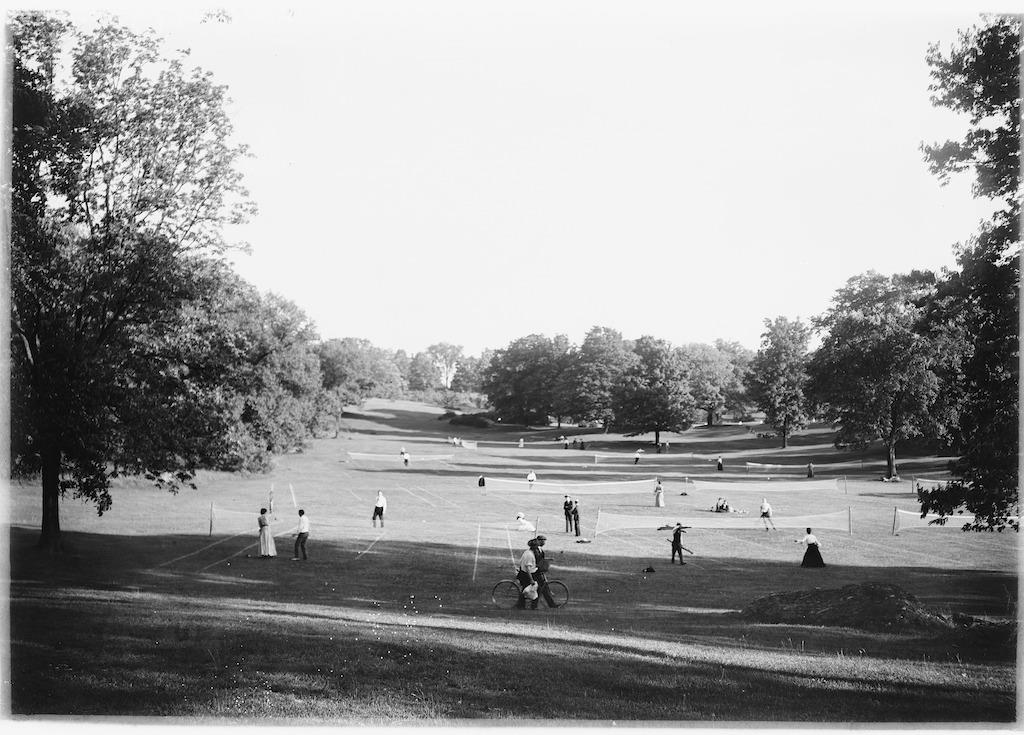
By 1883, the City approved funds to buy the land, and even before construction of the park began two years later it had already become a popular destination for Bostonians. The park was largely completed over the following decade, following various delays and changes to local government. It was originally made up of various zones intended for different forms of enjoyment: notable examples include the Country Park, an area for passive recreation including the pastoral Nazingdale and the wooded Wilderness; the Playstead in the northern end of the park, with amenities for student sports; and the Greeting, a tree-lined promenade to serve as the park’s main event space—this feature was never realized, and the lack of programmed events in the park led to declining use in the early 20th century.
As visitor tastes changed after Olmsted’s retirement, the park began to evolve. A golf course was placed over the Nazingdale in 1896. To draw in crowds, the City hired Olmsted protégé Arthur A. Shurcliff to construct a public zoo in 1912, over the area where the Greeting was originally planned. The Franklin Park Zoo proved to be a major draw throughout the 1920s, and remains so in the present day.
Following World War II, further changes came to the park and its surrounding neighborhoods. George Robert White Stadium was constructed in the Playstead in 1949, a modestly-sized facility for “schoolboy” athletic events like football games and track meets. On the southern edge of the park, Lemuel Shattuck Hospital was built over 13 acres of land that were originally part of the park’s “Heathfield” meadow. The communities around the park, in places like Roxbury, Dorchester, and Mattapan, also experienced a major demographic shift following the postwar “white flight” from urban centers. The park was largely ignored by local government once these neighborhoods turned to predominantly people of color, becoming overgrown and marred with litter.
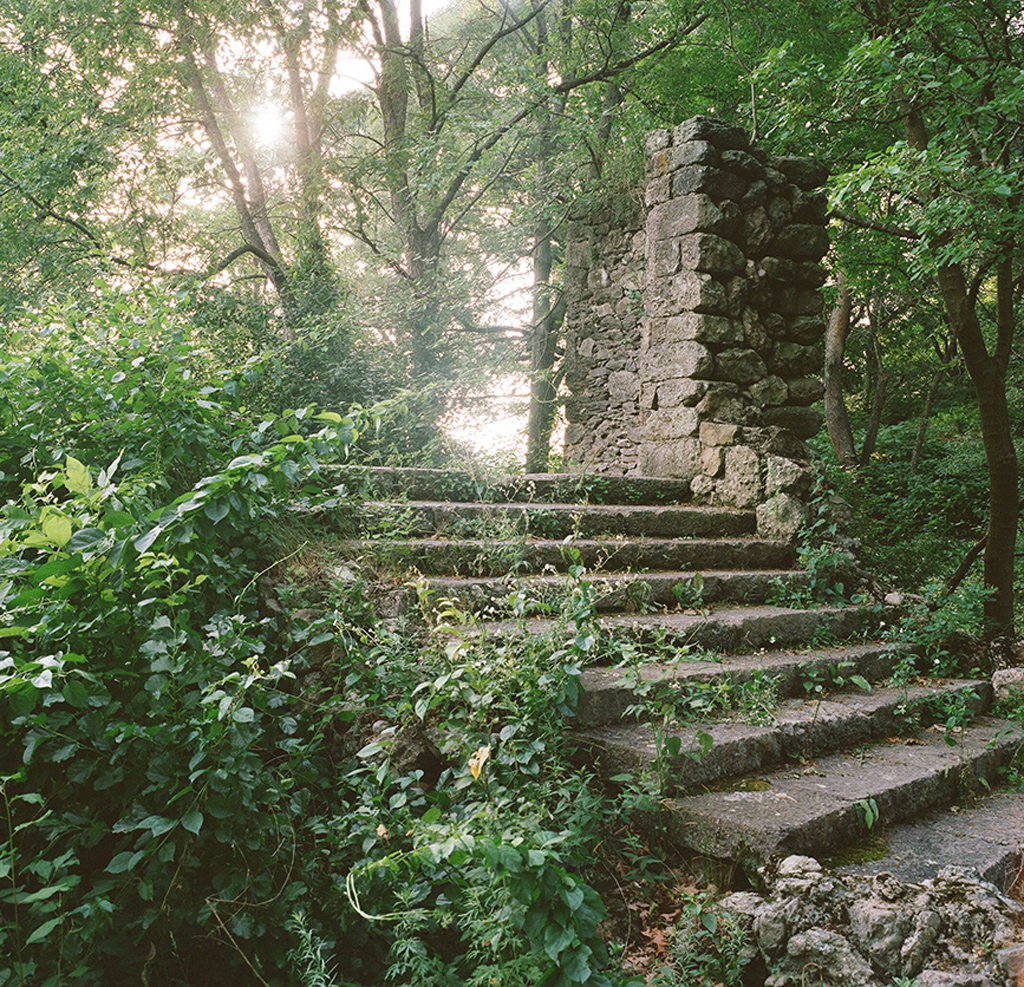
By the early 1970s, community organizations began to take stewardship matters into their own hands, as residents like Elma Lewis—an educator and civil rights advocate—led volunteer cleanups in the park and began to program public events. Lewis’ “Playhouse in the Park” concert series took place amid the stone ruins of the burned-down Overlook Shelter—one of the only buildings ever designed by Olmsted himself. The concerts would prove to be highly successful, attracting artists like Duke Ellington and Odetta, and regular summer concerts are held in the park to this day.
Lewis and other advocates like Richard Heath and Louis Elisa founded the Franklin Park Coalition in 1971 to revive the park and organize cleanups, festivals, fitness initiatives, and more in the park. Franklin Park, along with the rest of the Olmsted-designed Emerald Necklace, was added to the National Register of Historic Places that same year, and community research and advocacy helped to secure Franklin Park as a Boston Landmark in 1980. The Emerald Necklace Conservancy, founded in 1997, also stewards Franklin Park today alongside the rest of the Olmsted-designed Necklace.
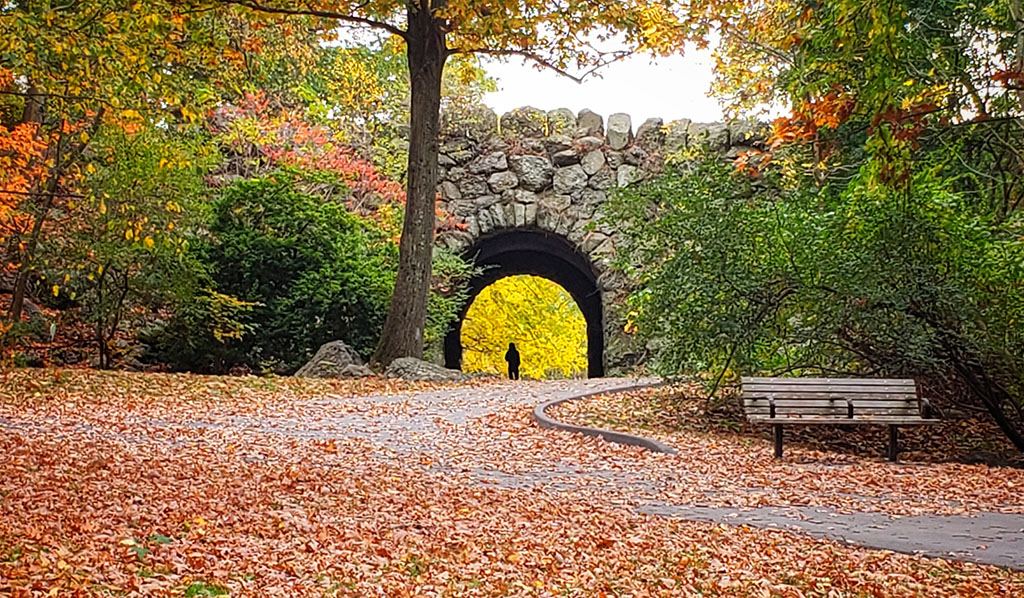
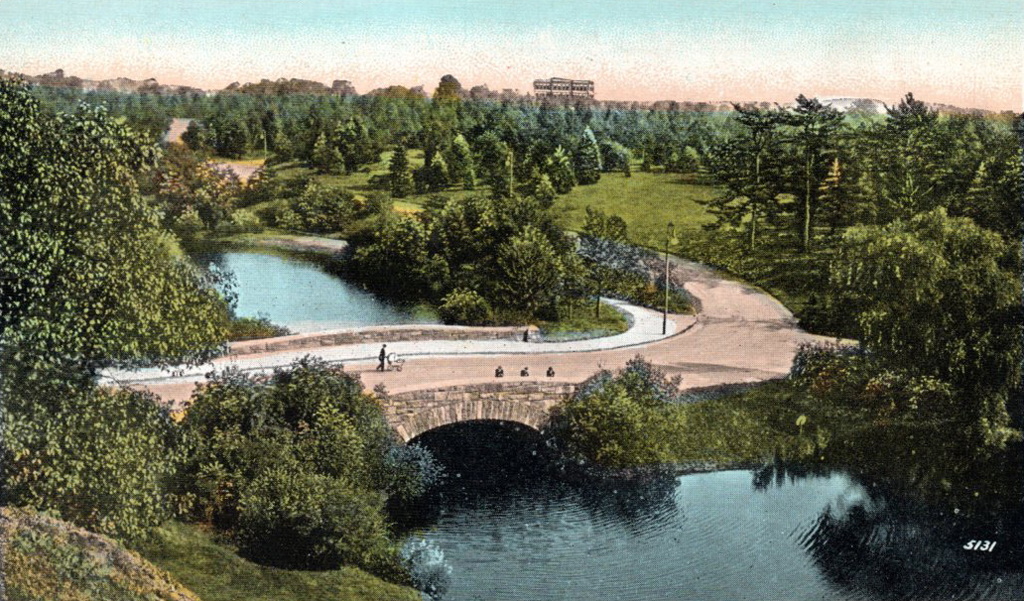
Today, Franklin Park remains one of only a handful of extant “country parks” designed by Olmsted. Original Olmsted-era features still abound in the park, including Ellicott Arch, a stone bridge designed by John Charles Olmsted, and the nearby 99 Steps, both clad in local Roxbury puddingstone; the aforementioned Overlook Shelter ruins; and Schoolmaster Hill, the stone ruins of the former Park Superintendent’s office (on the site of a cabin once occupied by Ralph Waldo Emerson).