
About Yosemite National Park
About Yosemite National Park
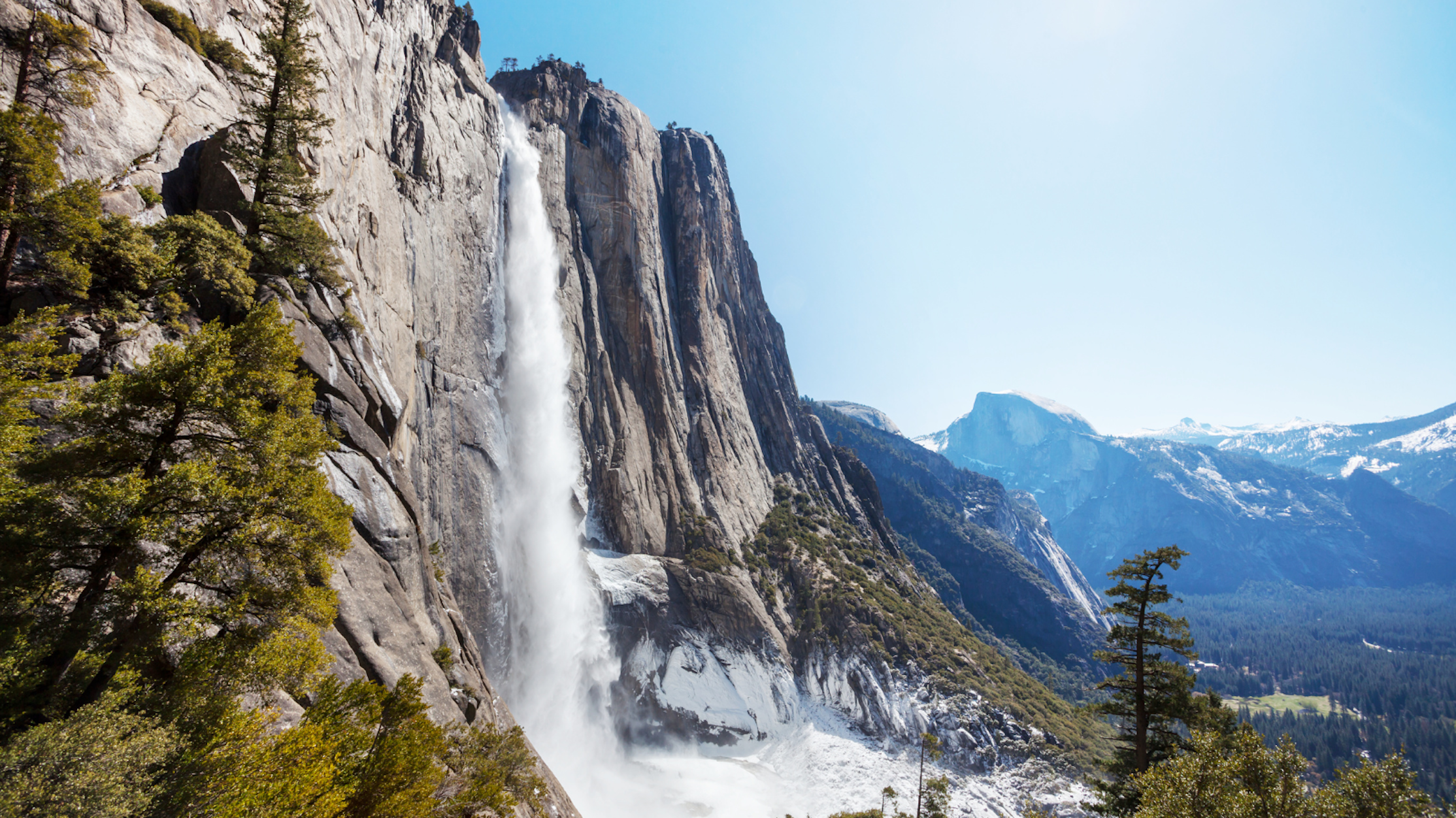
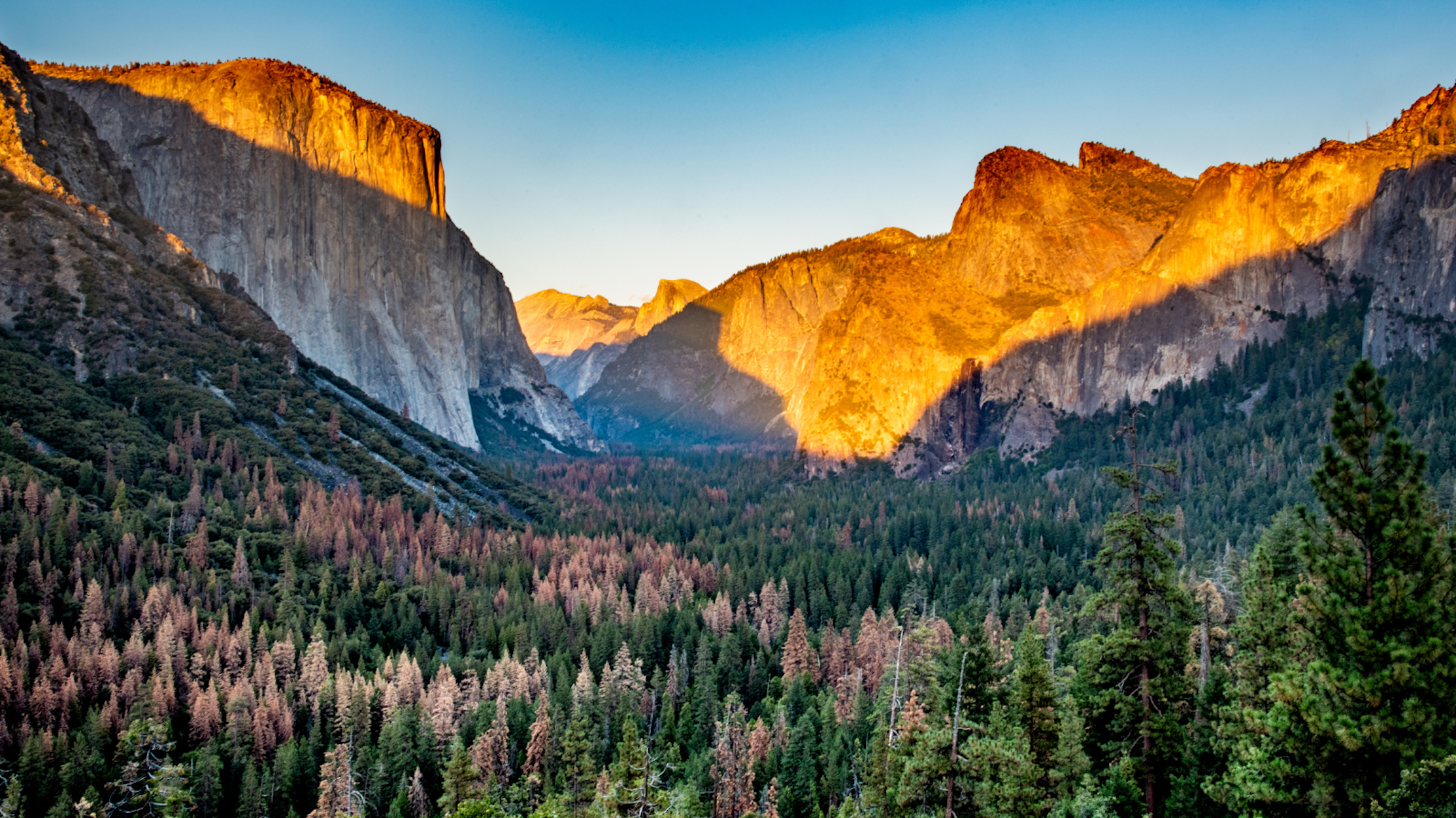
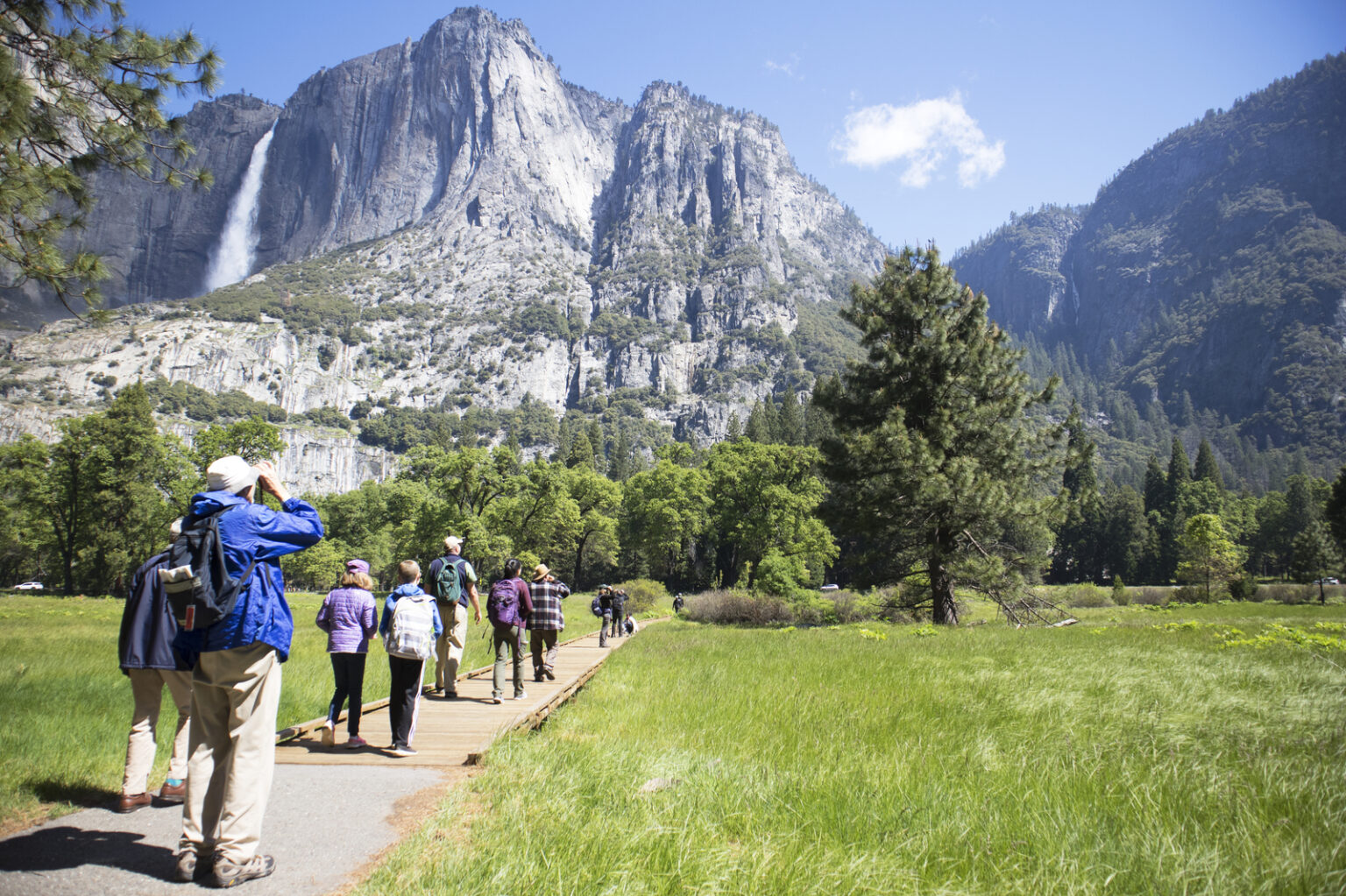
When Olmsted wrote “Yosemite and the Mariposa Grove” in 1865, he foresaw growing visitation and expressed concern about what would happen to the area if it weren’t properly managed.
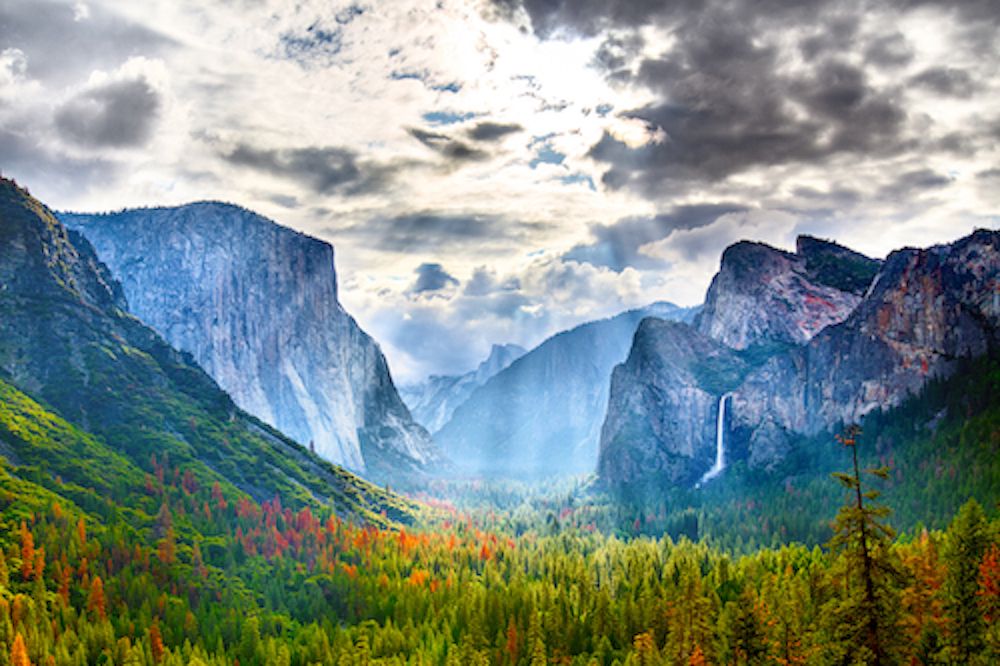
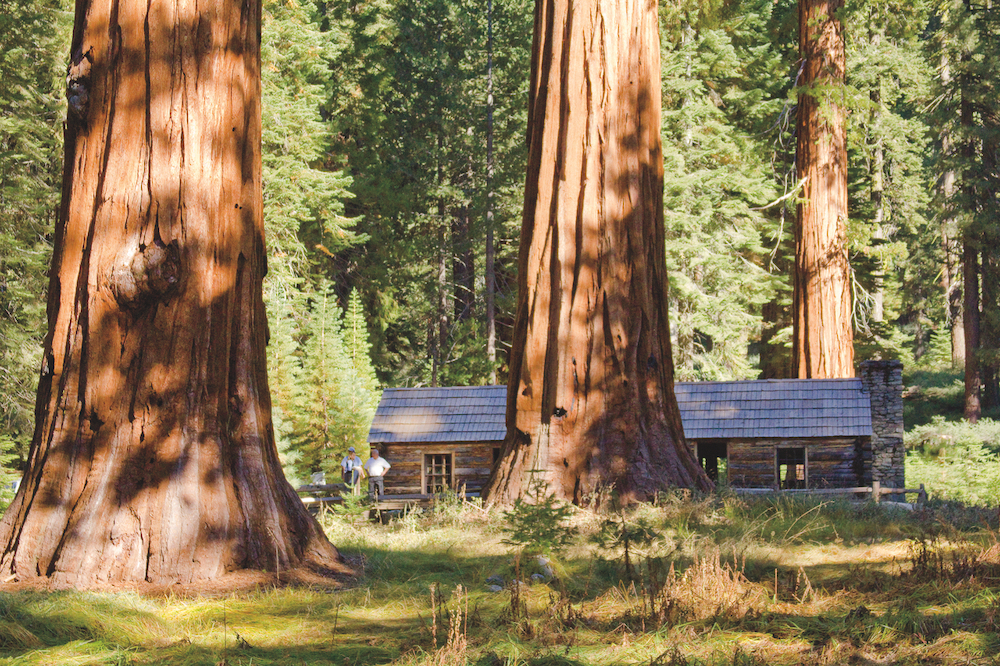
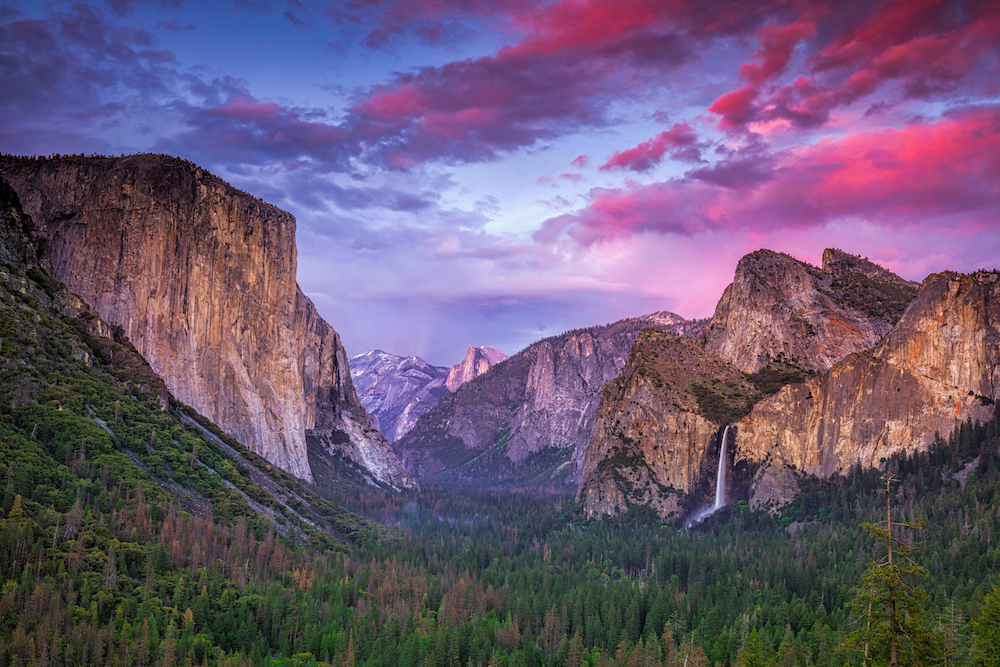
Olmsted visited the Mariposa Grove in 1863 when serving as the head of the neighboring Mariposa Mine. He was struck by the massive Sequoia trees, calling them “distinguished strangers, who have come down to us from another world.” Taken by the beauty and “peculiar character” of the scenery, Olmsted was passionate about protecting the land in perpetuity and safeguarding public access.
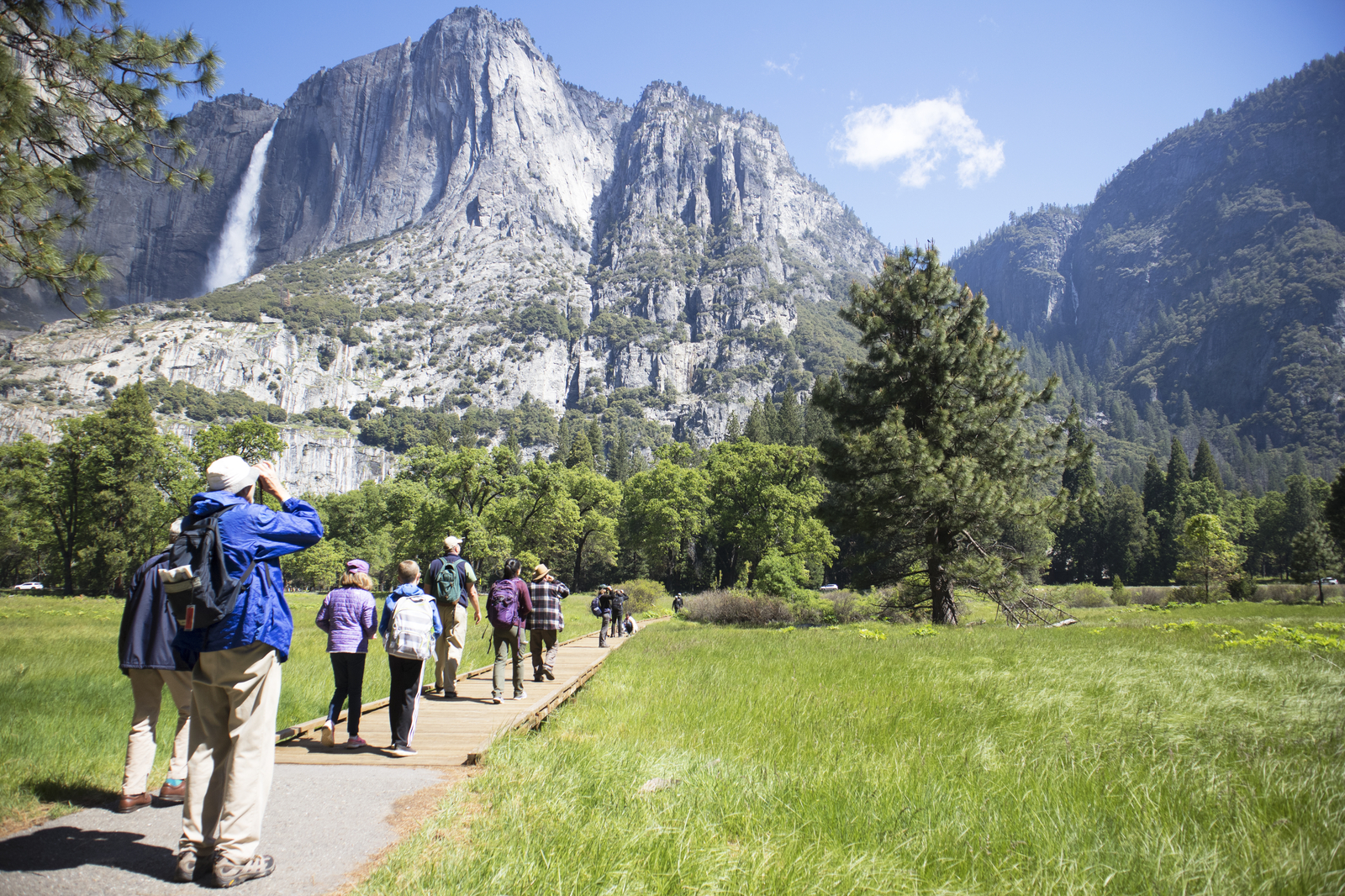
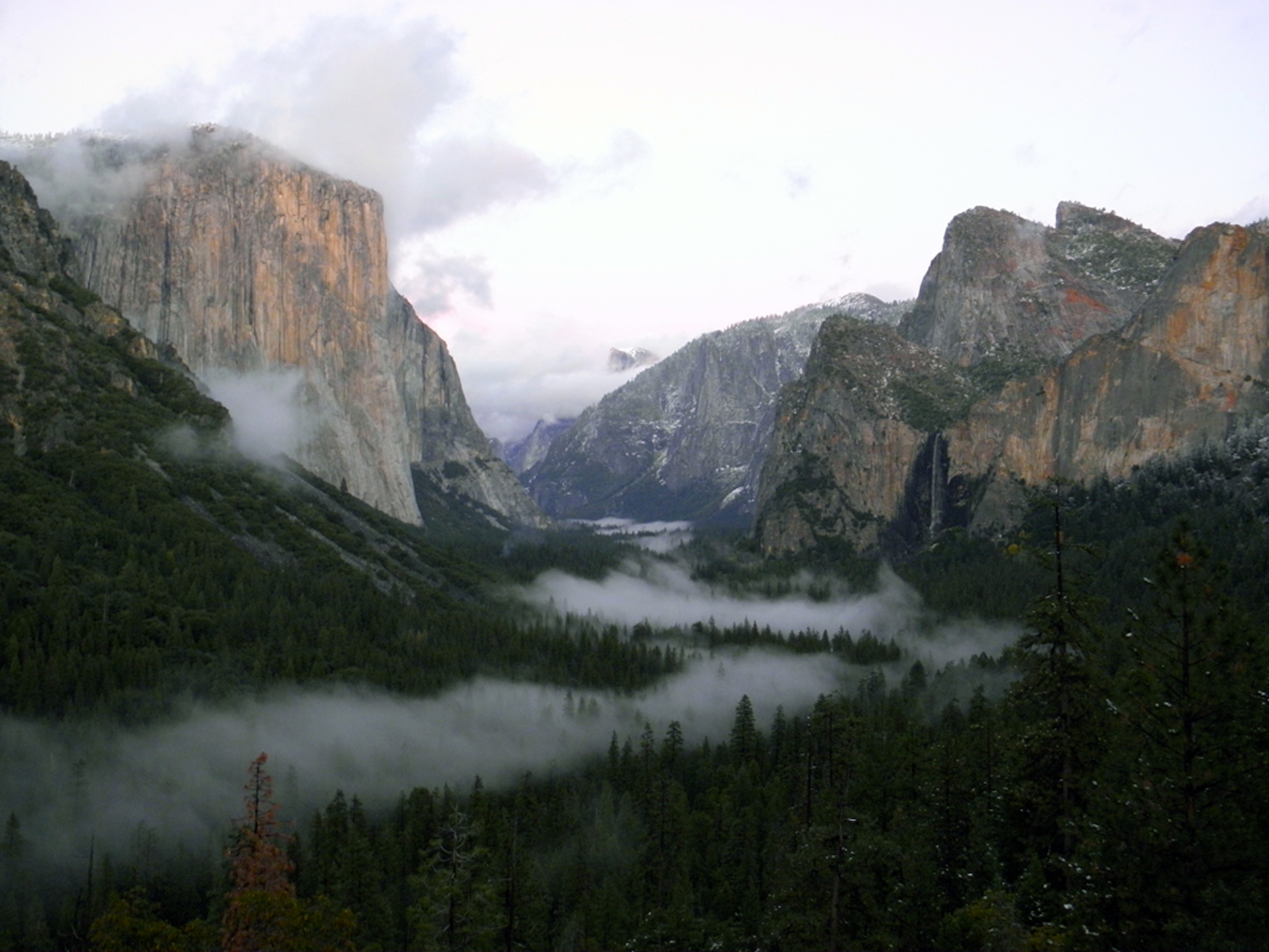
On June 30, 1864 — in the midst of the Civil War — President Abraham Lincoln signed the Yosemite Valley Grant Act “authorizing a grant to the State of California of the Yo-Semite Valley, and of the land embracing the Mariposa Big Tree Grove.” This legislation protected Yosemite Valley and the Mariposa Grove of Giant Sequoias “for public use, resort and recreation.” Under this law, scenic natural areas were set aside and protected for the benefit of future generations for the first time in the history of our nation. Frederick Law Olmsted was appointed to head a commission, offering advice on managing the park.
In the resulting 1865 report, which called for scenic reservations and offered management recommendations, Olmsted foresaw that “the slight harm which the few hundred visitors of this year [1865] might do, if no care were taken to prevent it, would not be slight, if it should be repeated by millions.”
Ultimately, Olmsted helped lay the groundwork for the protection of Yosemite. Continuing in his father’s footsteps, Frederick Law Olmsted Jr. was hired 43 years later to make revisions and improvements to the now National Park. FLO Jr., unsatisfied with the lack of organization in the management of the park system, helped pass the National Park Service Act of 1916. In recent years, restoration work has been done to ensure both the Big Tree Grove and Yosemite’s beautiful landscape can live on for generations.
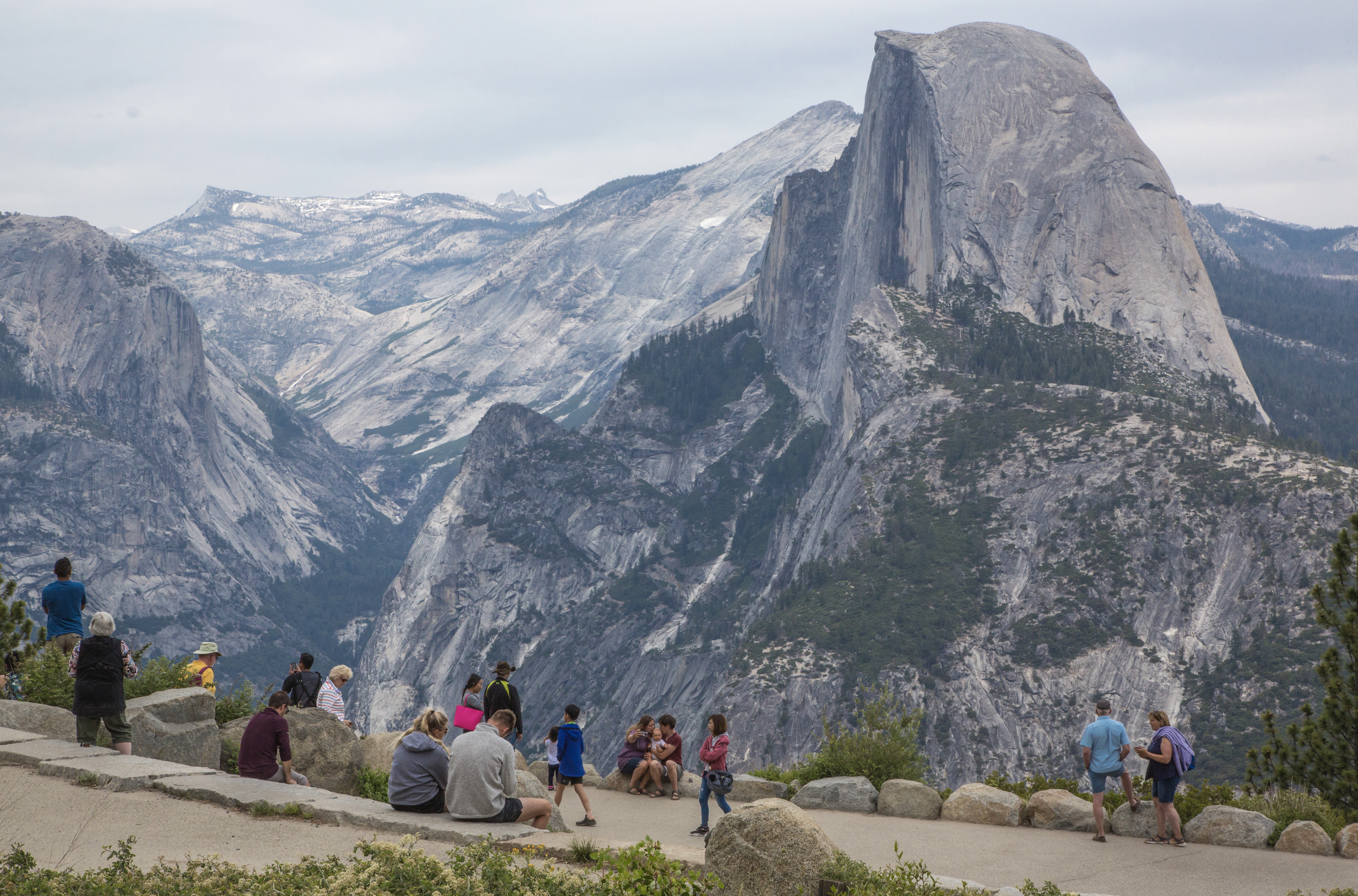
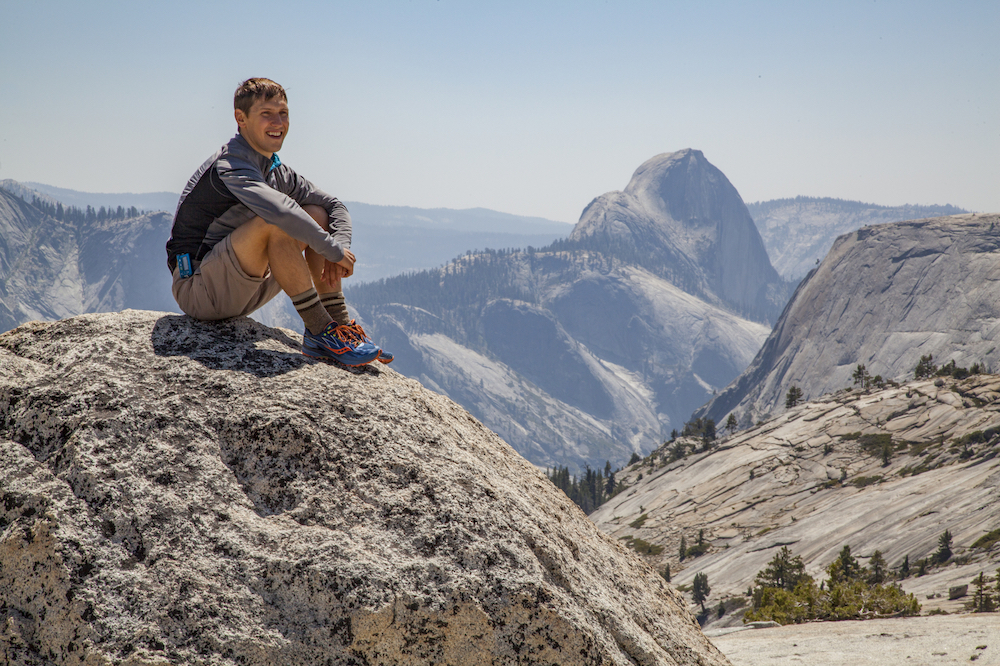
Today, visitors can celebrate the Olmsteds’ contributions to Yosemite National Park at Olmsted Point, a scenic vista overlook on Tioga Road that was named in honor of father and son’s contributions. Tioga Road is open seasonally, so please check the National Park Service website for current status.