

Nearly a year ago, the Emerald Necklace Conservancy and Franklin Park Defenders filed a legal appeal challenging an initial ruling on plans to privatize White Stadium in Franklin Park. With the recent announcement that the case has been taken up by the Massachusetts Supreme Judicial Court, the highest court in the Commonwealth, our advocacy has reached a critical moment—one that will have implications for public parks everywhere.
In March, the Olmsted Network submitted an amicus brief to the court, detailing the importance of this cherished public landscape and the implications that this ruling will have on parks at-large. In our brief, we argue that Article 97 of the Massachusetts Constitution provides critical legal protection for public parkland like Franklin Park and that these protections must be upheld to prevent its diversion to private commercial use.
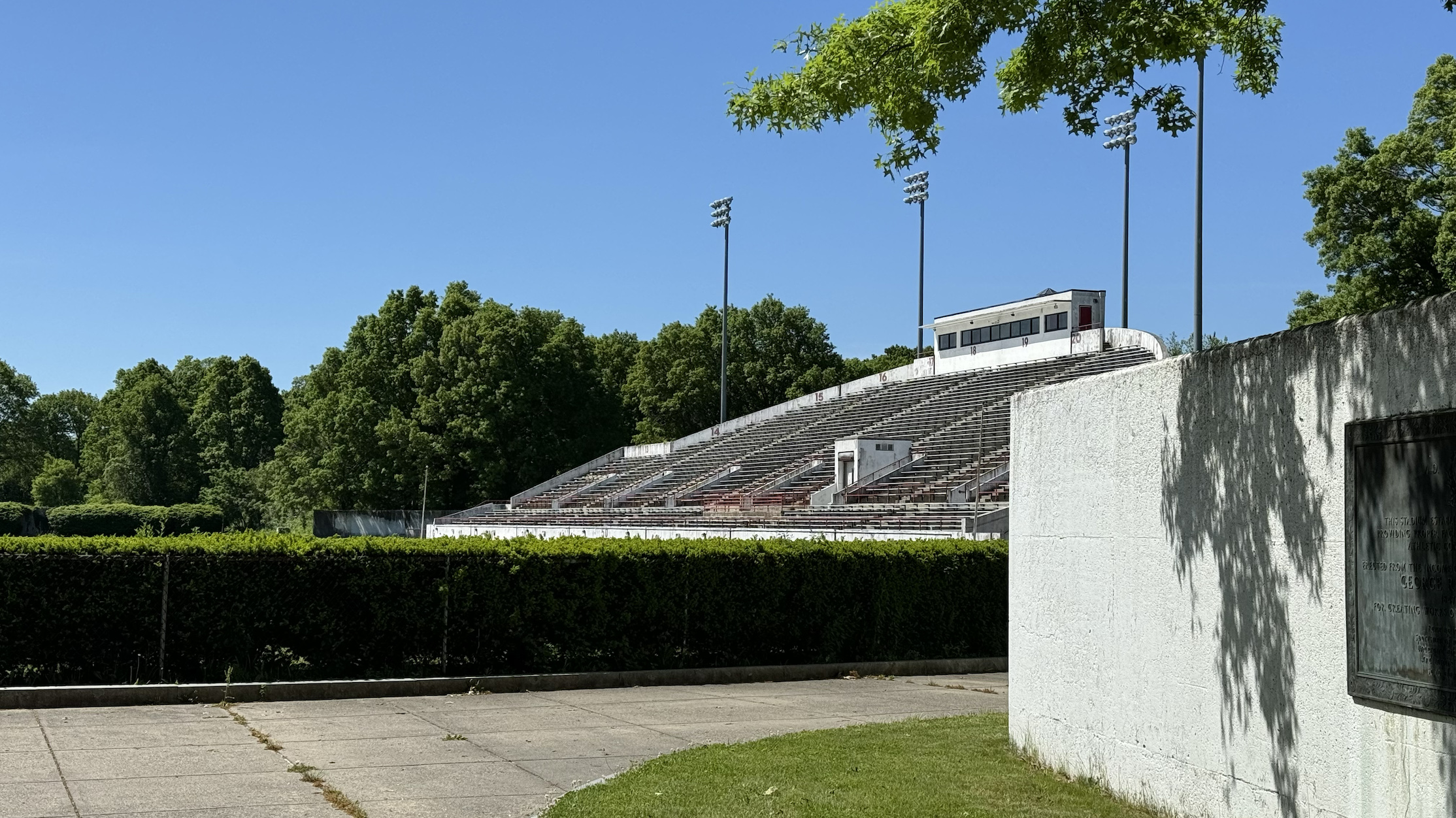
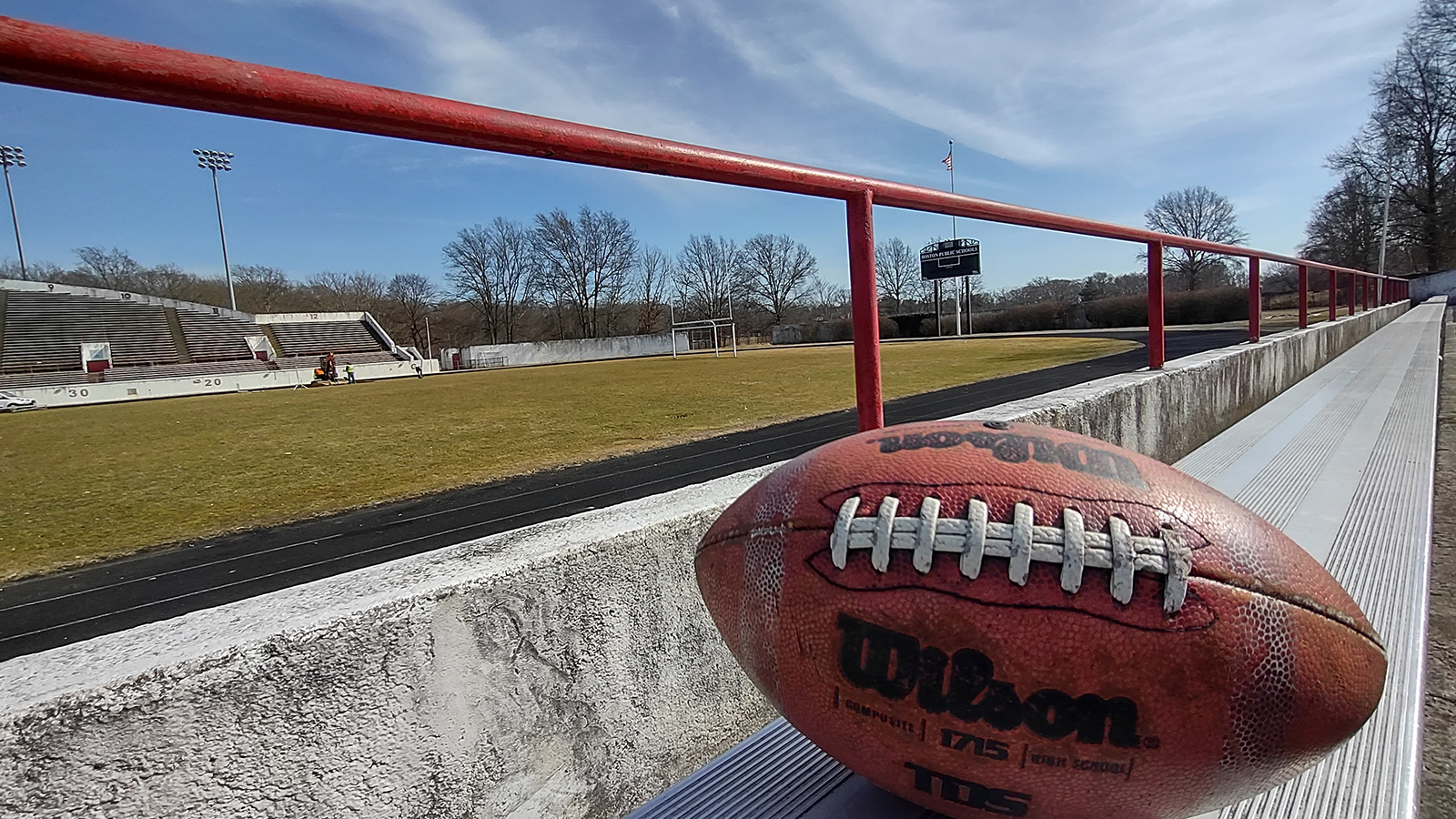
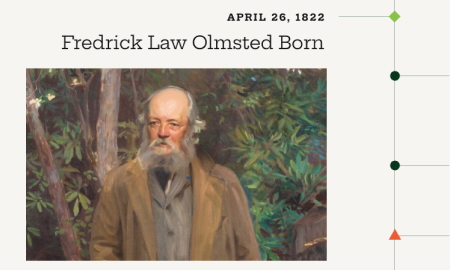
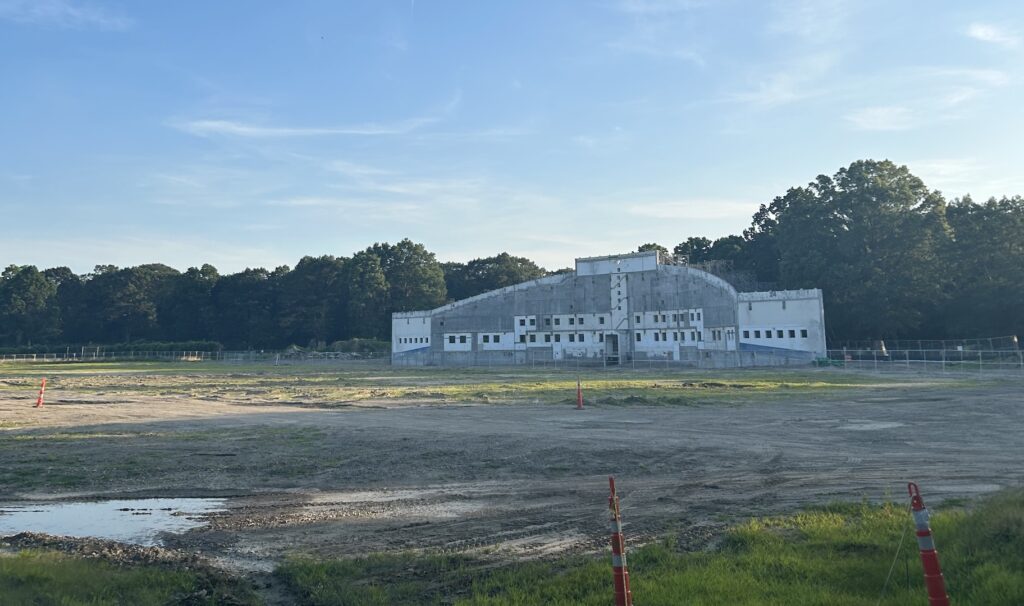
From the beginning, the Olmsted Network has supported Boston partners in standing up for Franklin Park. After all, Franklin Park is Boston’s largest green space, one of the last remaining “country parks” designed by Frederick Law Olmsted, and the crown jewel of the Emerald Necklace park system he designed over the course of two decades. Plans to convert White Stadium—built in 1949 for student athletics and freely accessible to the community—into a professional sports and entertainment complex would not only irrevocably alter the historic character of Franklin Park but would deprive student athletes and community members from access to a space that has served as a public amenity for decades.
Through the amicus filing, we are stepping forward as a national leader in parkland advocacy, using the law to defend not only individual landscapes but the democratic principles of public access and stewardship that underlie Frederick Law Olmsted’s work.
We mobilized partners from across the country to join this effort, demonstrating a unified national commitment to defending public parks and the principles they embody. We thank Friends of Olmsted-Beil House (Staten Island, NY), Olmsted Linear Park Alliance (Atlanta, GA), Friends of the Parks (Chicago, IL), and Olmsted Parks Conservancy (Louisville, KY) for signing onto our brief.
The results of this case could have ramifications all over the country, as public-private partnerships continue to encroach upon community spaces. If legal protections for public parkland can be ignored by for-profit entities, a dangerous precedent is set where treasured landscapes—and the rights of the public that they belong to—may be eroded more and more until what’s left is unrecognizable.
As the Supreme Judicial Court prepares to hear arguments on April 8, the Olmsted Network remains actively engaged, standing with partners in Boston and across the country to ensure that both Olmsted’s landscapes and his enduring vision of public space are protected for generations to come. A member of our team will be present in the courtroom, underscoring our commitment to this case and its national implications. The case will test the durability of legal protections for public parkland, and we intend to help ensure those protections hold.