

The Grant Park Conservancy officially broke ground in March 2026 on the Milledge Fountain Outdoor Classroom and Theatre, marking the start of a long-anticipated transformation just steps beyond the historic Milledge Fountain in Grant Park.
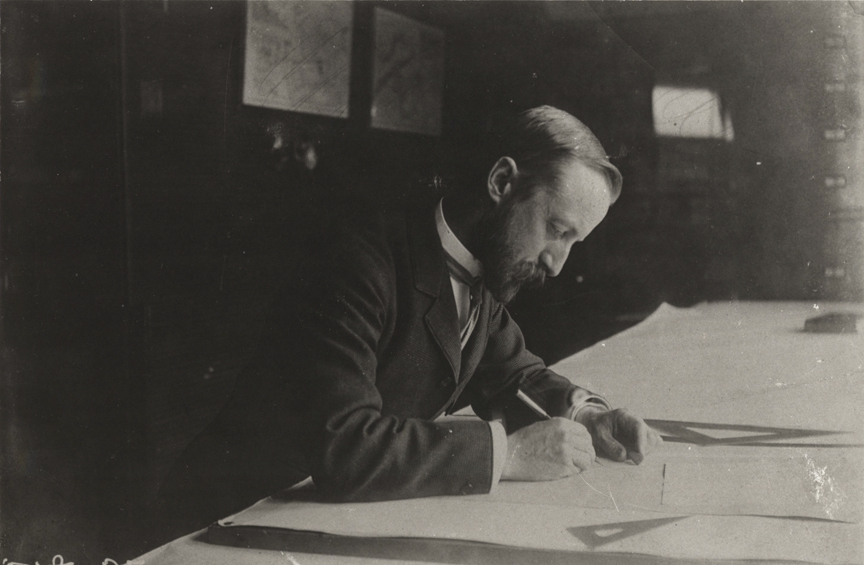
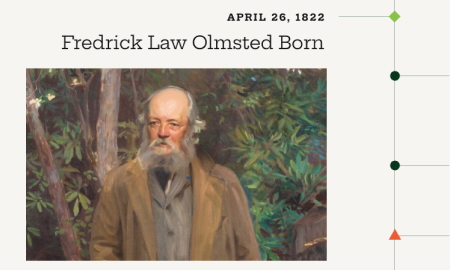
In 1903, the Olmsted Brothers firm was contracted to create a comprehensive plan for Grant Park, the oldest park in Atlanta. Over the following decade, John Charles Olmsted visited the park two times to sketch and photograph the park, draft planting plans, and design amenities like ball fields and tennis courts. Though the firm’s plan was not fully realized, the park is rife with Olmsted-inspired features.
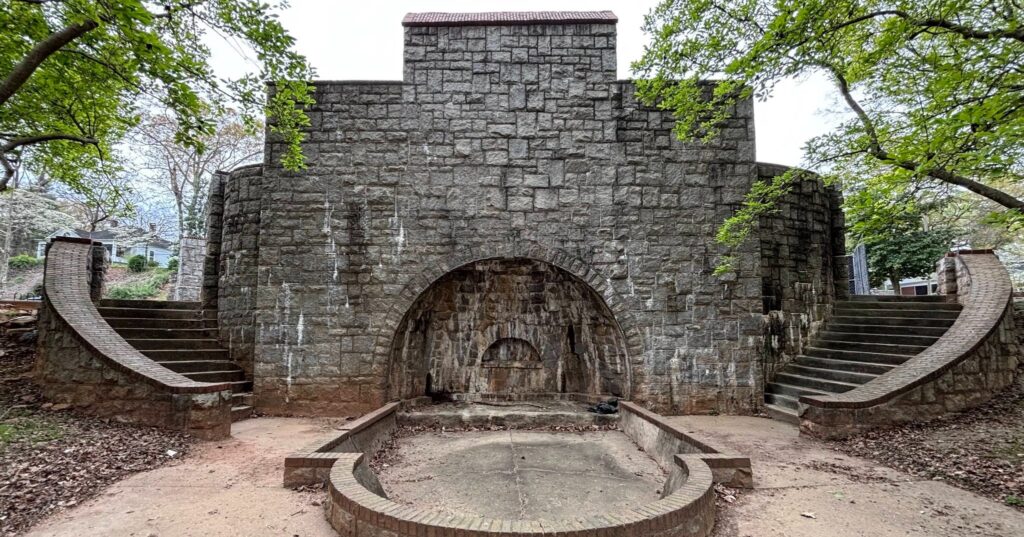
Originally built in 1927 as a gateway between the city and the park, the Milledge Fountain has become one of Grant Park’s most recognizable gathering places following its restoration by the Conservancy in 2017. Just behind it, however, sits a stretch of land, often muddy, overgrown, and difficult to use after heavy rain. Now, that space is getting a second life.
Reclaiming this footprint, the project brings together historic preservation, green infrastructure, and community-driven design. The nearly $1 million investment underscores the Conservancy’s continued commitment to restoring and activating meaningful spaces throughout Grant Park.
This project is made possible through significant fundraising efforts led by the Conservancy, with deep appreciation for the generous support of Park Pride, their partners at the Department of Parks and Recreation and at AFCRA, and the many donors, grant partners, and GPC members whose contributions have brought this vision to life. “This project reflects the kind of thoughtful, long-term investment that defines Grant Park,” said Michelle Blackmon, Executive Director of the Grant Park Conservancy. “In partnership with the Department of Parks and Recreation, we’re restoring a historic space, but even more, we’re creating something that invites people to engage with the park in new ways. It builds on the energy of the fountain and extends it into something more immersive, more functional, and more connected to the community.”
“It’s exciting to see this space reimagined in a way that better serves the community,” said Park Pride Director of Grantmaking & Implementation Andrew White. “Park Pride is proud to support this project because it will create more opportunities for learning, gathering, and simply enjoying the park. This is the kind of investment that makes parks feel more welcoming and alive!”
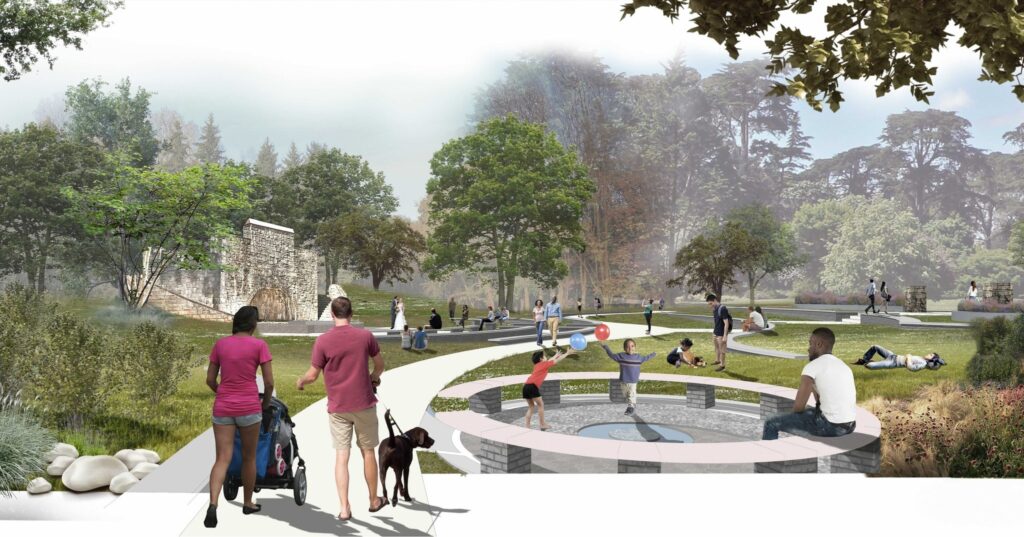
The first phase of construction focuses on restoring and stabilizing the fountain’s original stone walls, protecting the integrity of one of the park’s most significant architectural features. From there, the site will be reshaped into an outdoor classroom and performance space, anchored by a reimagined stage built from the former reflecting pool.
Plans also include native landscaping to support biodiversity, improved stormwater management through rain gardens and permeable surfaces, and enhanced pedestrian access with ADA-friendly pathways.
Designed as both a learning environment and a flexible gathering space, the area will support school programming, workshops, performances, and community events—from casual gatherings to future favorites like outdoor classes, performances, and more. Additional details, including project timeline and future programming, will be shared in the coming weeks. For more information, visit www.gpconservancy.org and follow along on Instagram and Facebook at @grantpark.atlanta.