

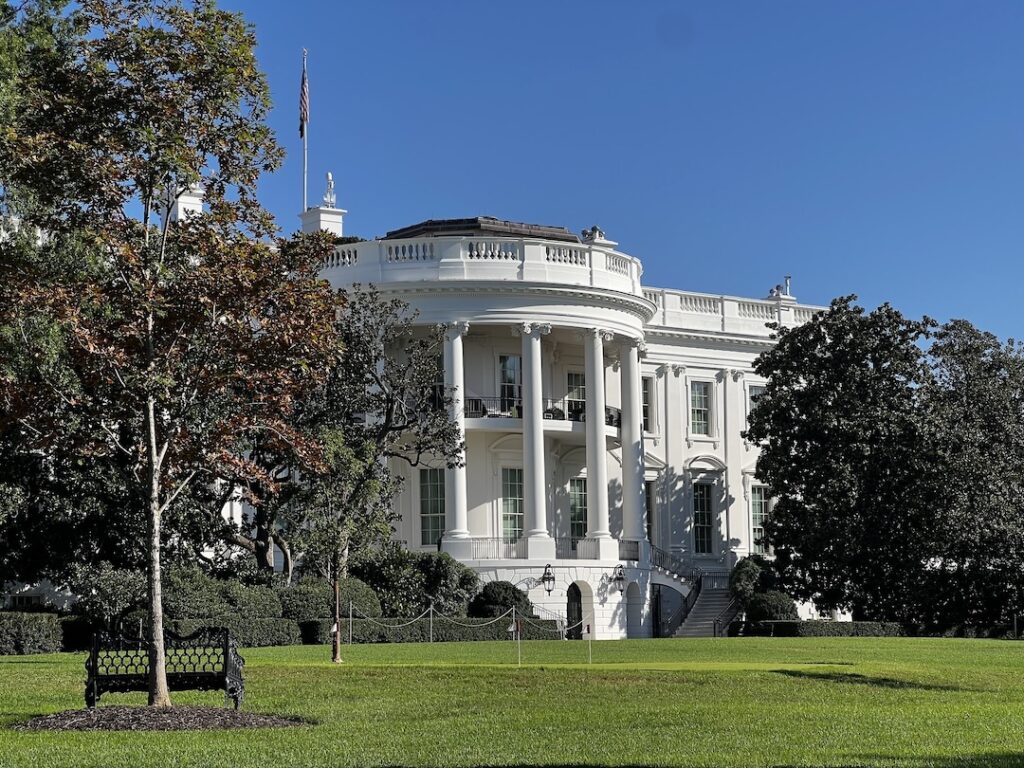
Last week, the Olmsted Network joined a coalition of leading preservation, cultural landscape, and design organizations in signing onto the National Trust for Historic Preservation’s legal efforts to protect the integrity of the White House grounds in response to the proposed ballroom construction.
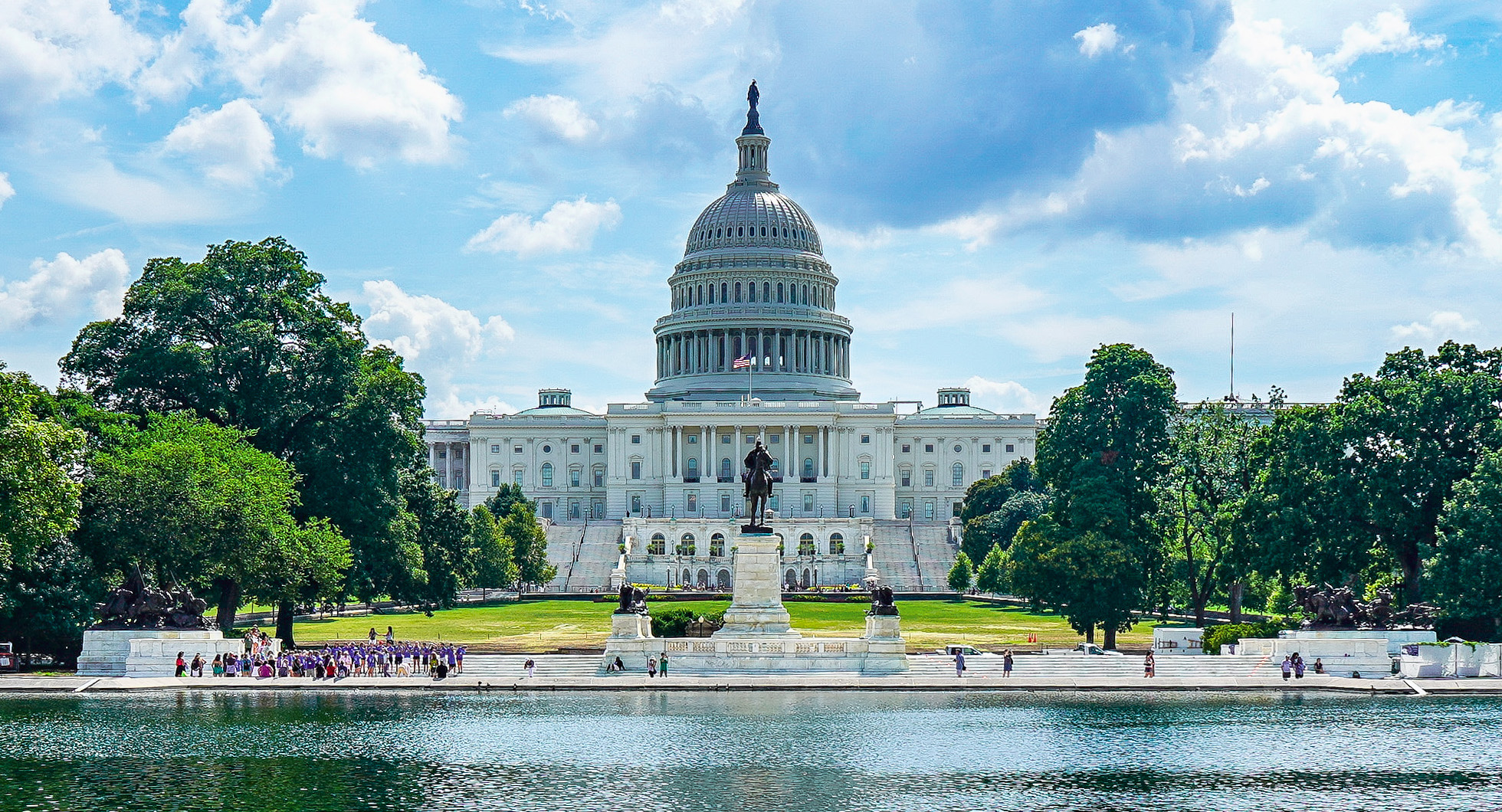
At the same time, we remain deeply concerned about broader threats facing other nationally significant civic landscapes, including changes to the Reflecting Pool on the National Mall and viewshed disruptions at the Lincoln Memorial in light of the proposed triumphal arch. Decisions made in Washington’s civic core establish precedents for how public landscapes across the country are valued, altered, and protected.
Just as important as the landscapes themselves is the process by which decisions about them are made. Historic civic spaces have long been guided by public review, community input, and preservation frameworks such as Section 106. When those processes are minimized or bypassed, it raises broader concerns about accountability and public trust.
These places are far more than historic landmarks. They are living public spaces that embody democratic ideals, collective memory, and civic participation. For generations, Americans have gathered in these landscapes to exercise their constitutional rights, advocate for justice, commemorate sacrifice, and engage in the ongoing work of democracy itself.
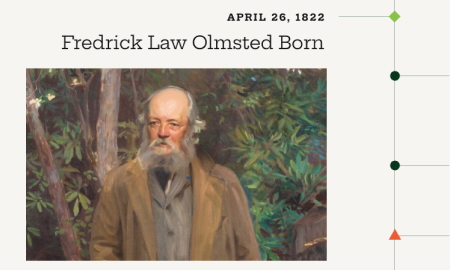
As an organization rooted in the legacy of Frederick Law Olmsted—who understood public landscapes as essential to civic life and public well-being—we believe stewardship of these places carries profound national responsibility. Preserving them means protecting not only physical spaces but also the visible expression of our shared history and democratic values.
This moment also comes amid broader challenges facing cultural and environmental stewardship nationwide, including diminishing public investment and reduced institutional capacity to care for historic landscapes and public lands. Taken together, these pressures underscore the urgency of sustained advocacy and thoughtful stewardship at every level.
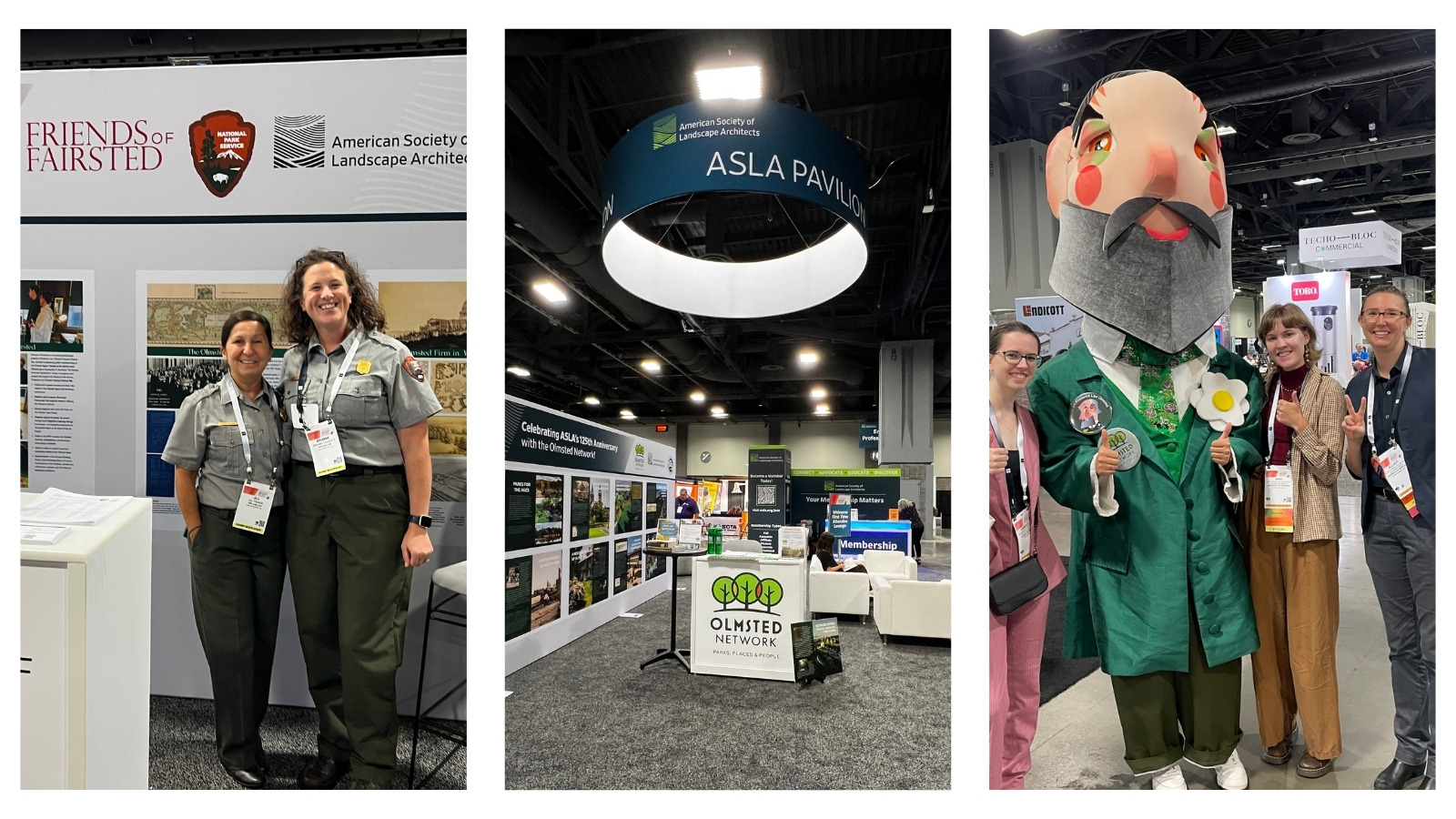
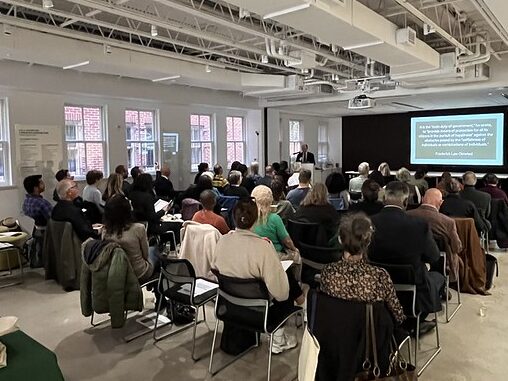
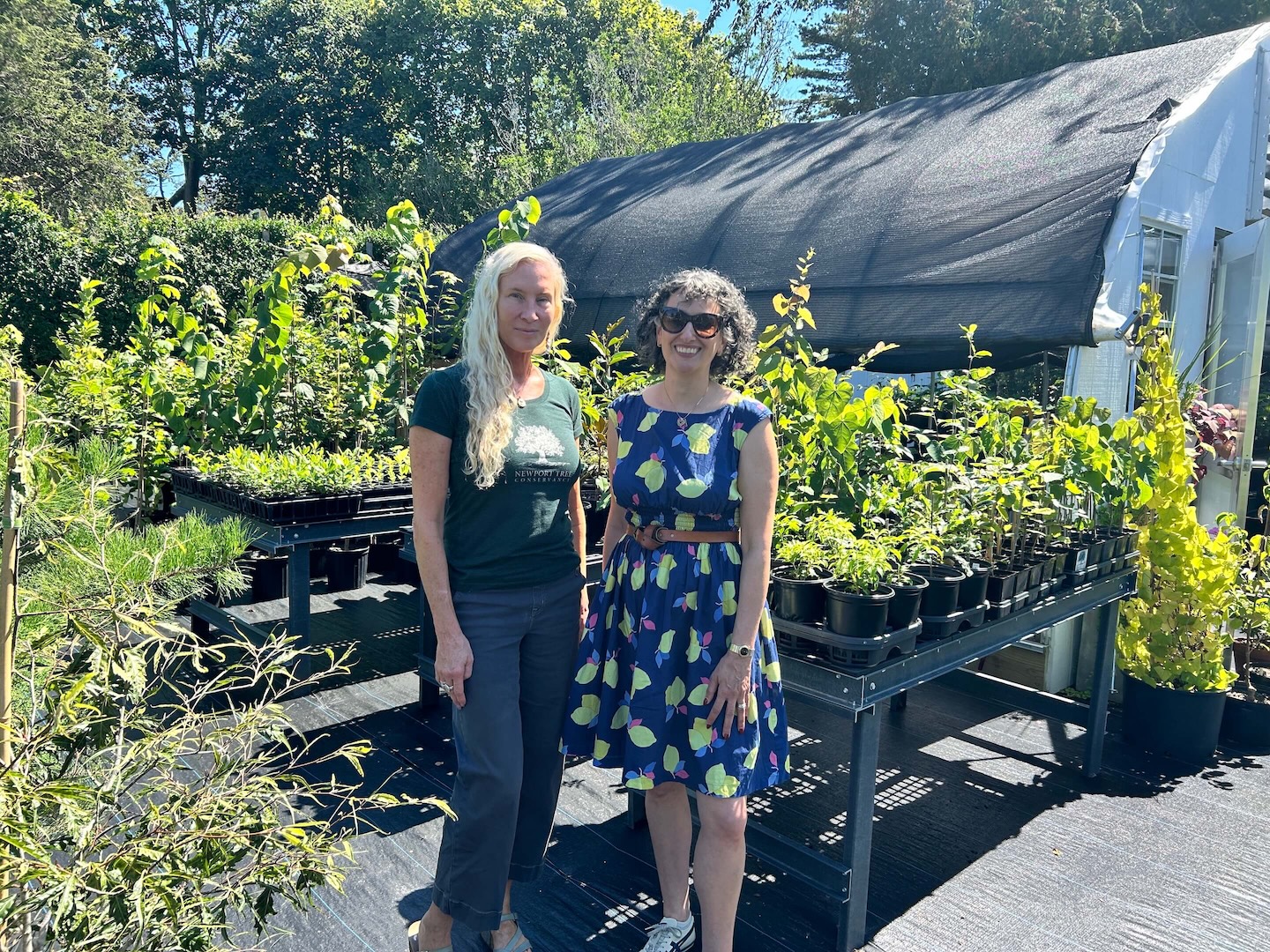
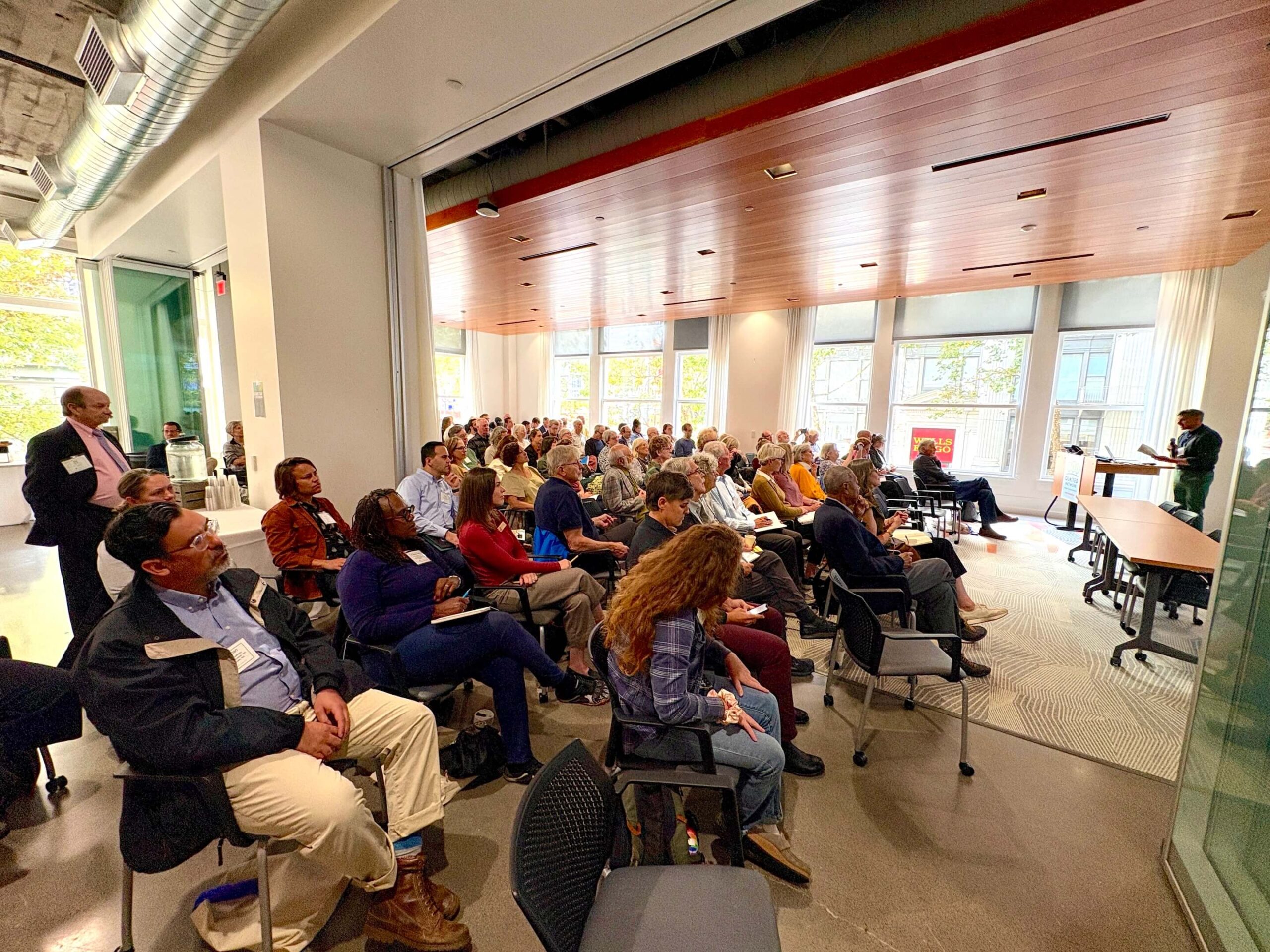
Nevertheless, we remain encouraged by the growing coalition of advocates, practitioners, and communities working to safeguard these places. From Southern California to Boston, Philadelphia to Chicago, we continue to meet with preservation leaders, landscape architects, local organizations, and donors who recognize that preservation is not simply about protecting the past—it is about ensuring that public landscapes remain accessible, meaningful, and alive for generations to come.
The Olmsted Network remains committed to advancing that work and to defending the civic landscapes that help define our national identity. Read more in the amicus brief here.