
In May, Olmsted Network President Sue Breitkopf and Senior Director of Programs & Partnerships Victoria Vanhuss traveled across seven cities in four states, from wildfire-impacted neighborhoods in Southern California to historic parklands in Boston and large-scale civic projects in Chicago.
Across these visits, a shared reality surfaced: Olmsted’s landscapes are not static inheritances. They are active civic spaces—continually shaped by climate, development pressures, and the communities that choose to care for them.
Southern California
Victoria began the month along the Southern California coast, where questions of recovery, land use, and long-term stewardship were especially immediate.
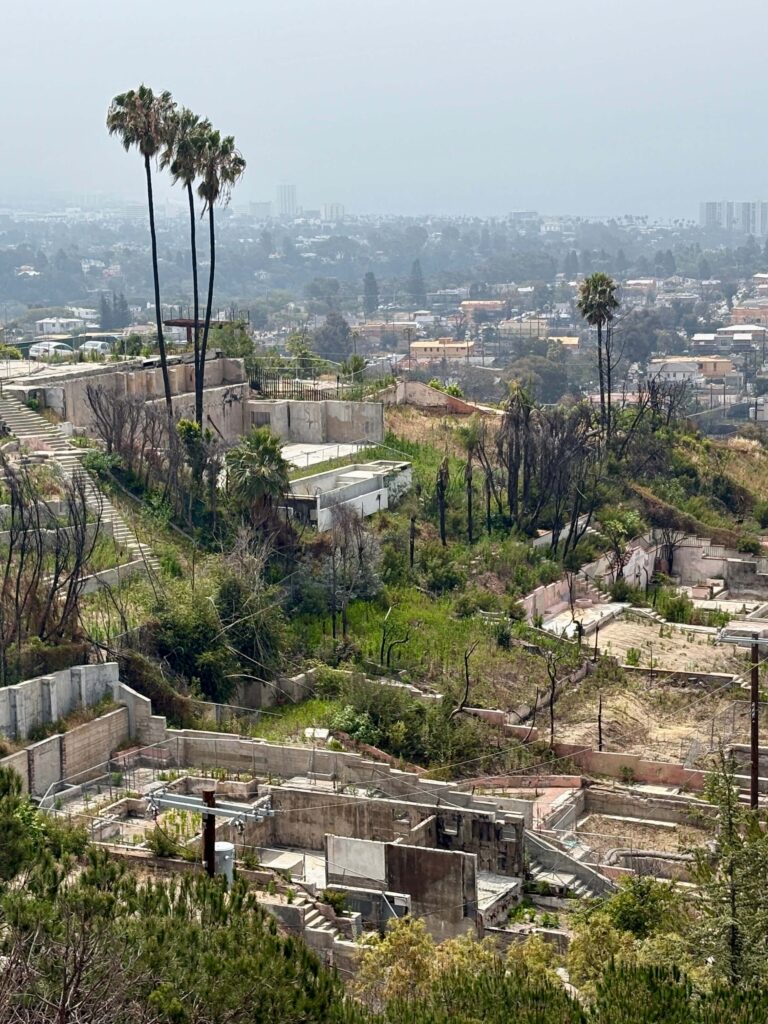
Her first stop was with representatives from the Pacific Palisades Historical Society, which joined the Olmsted Network in the wake of the devastating January 2025 wildfires. Standing in a landscape still centered on recovery, the conversation turned less to what had been destroyed and more to what might still be shaped. As communities rebuild, there is growing interest in whether recovery can also create opportunity, especially the possibility of restoring connectivity and access to green space, and revisiting elements of the Olmsted Brothers’ early planning proposals for Los Angeles parks and open space nearly a century after they were first conceived.
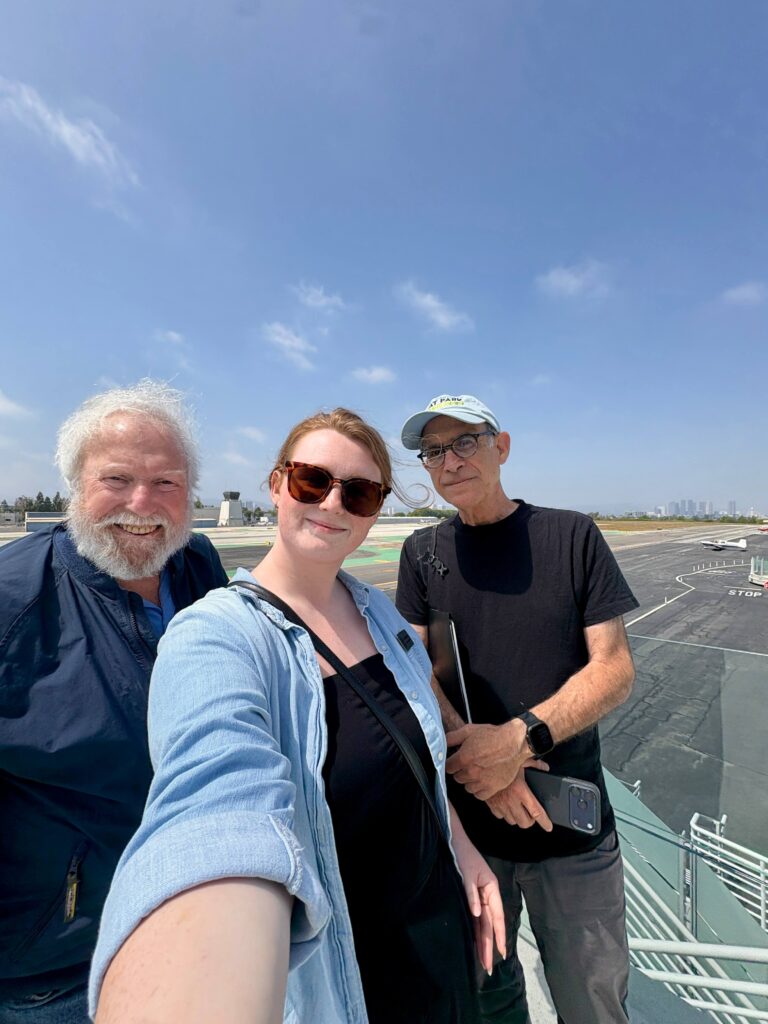
Later that day, Victoria met with representatives from Airport2Park over lunch at The Cloverfield, directly across from the municipal airport the group hopes to transform into a major urban park. Following the passage of Measure LC in 2014 and a 2017 FAA agreement setting a permanent closure date of January 1, 2029, the site has become a focal point for long-term civic imagination. While the park is not yet guaranteed, momentum continues to build in a city where park access remains limited. Sasaki has been engaged to help the community explore what the site could become.
Although the landscape itself does not carry an Olmsted connection, the group first learned about the Olmsted Network during Olmsted 200 and deeply resonated with Olmsted’s belief that parks should serve everyone. Their vision for the airport site carries forward that same spirit, creating accessible public, healthy green space in the heart of the city and embracing the idea of “Parks for All People.”
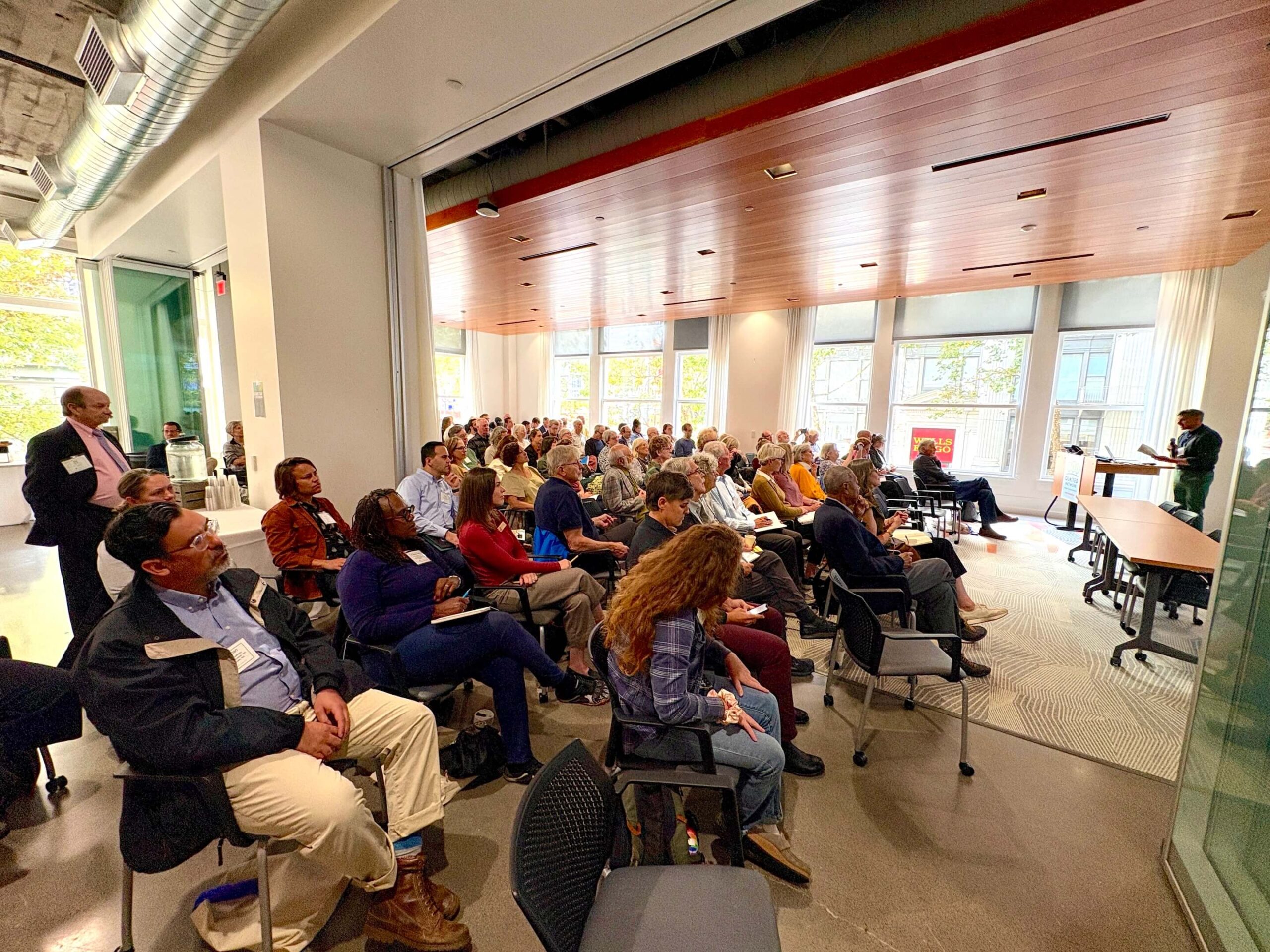
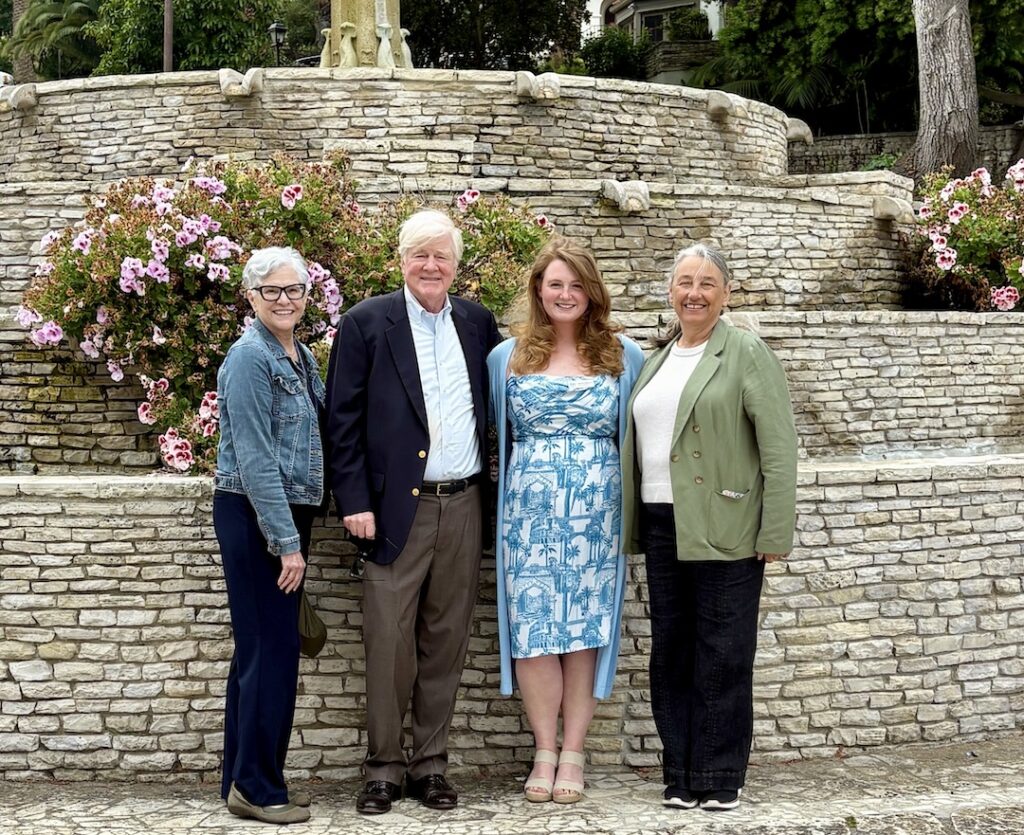
The highlight of the trip came in Palos Verdes Estates, the largest Olmsted Brothers community in the country, where Victoria joined landscape architect Marlene Breene and others for a day and a half of site visits and convenings. The visit began with a public presentation at the local library—aimed at building momentum for a burgeoning friends group—and ended on an encouraging note at a city council meeting. Among the many sites Victoria saw, the most striking was Frederick Law Olmsted Jr.’s home, a privately owned property that was previously impacted by the area’s significant coastal erosion challenges.
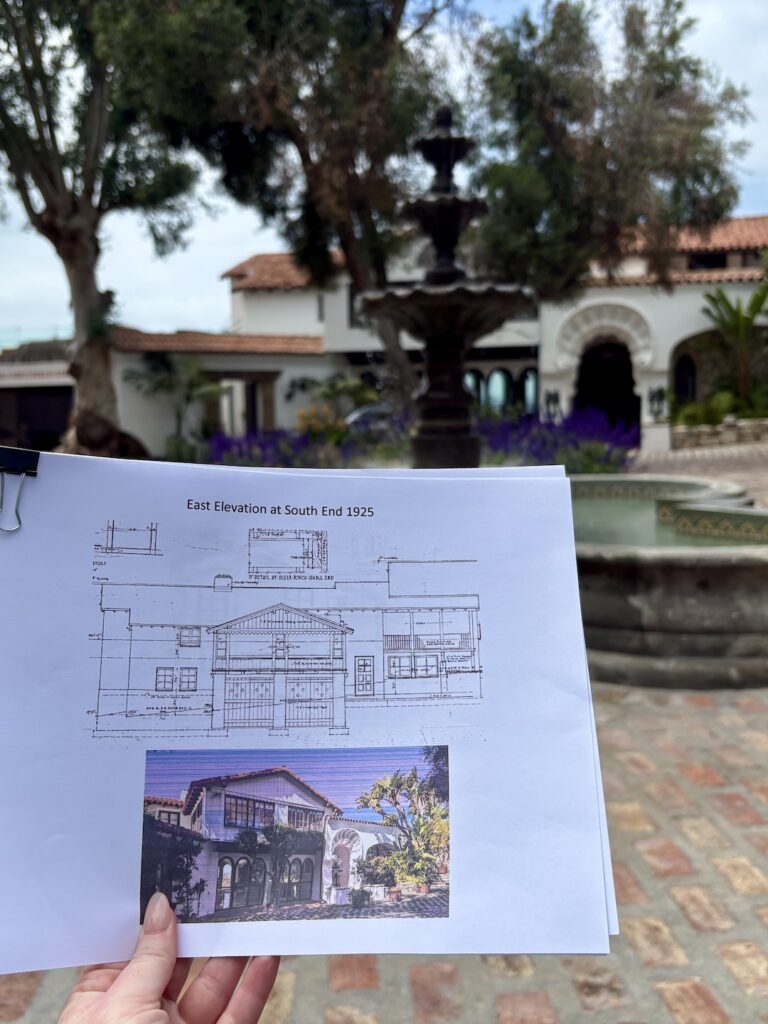
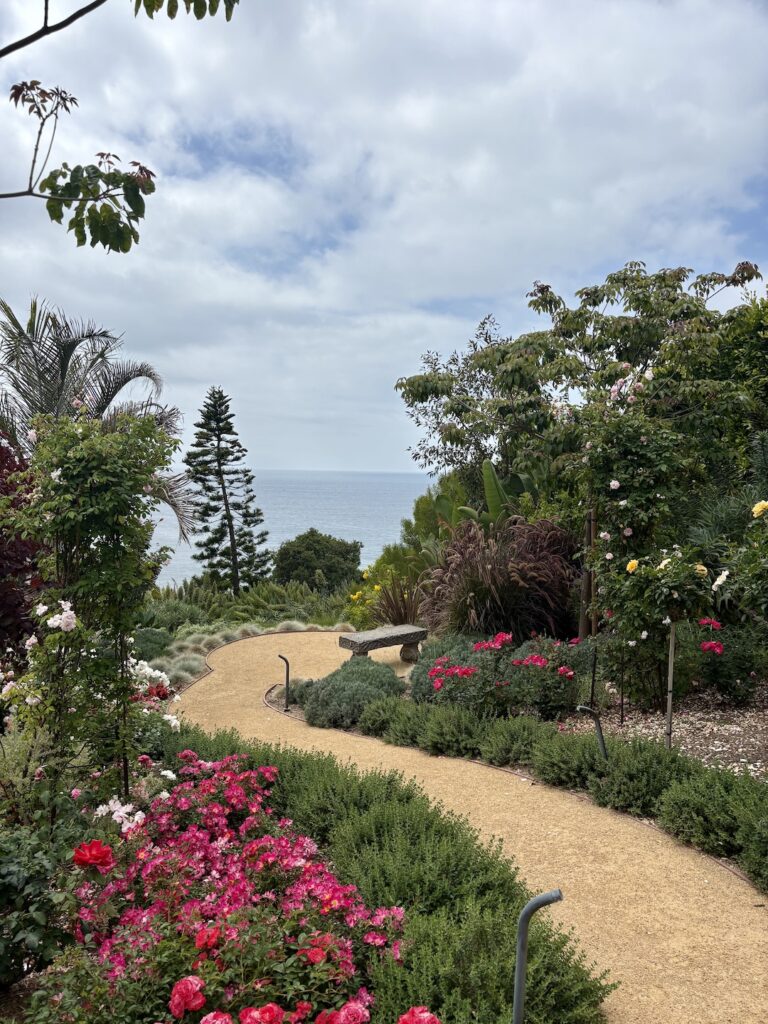
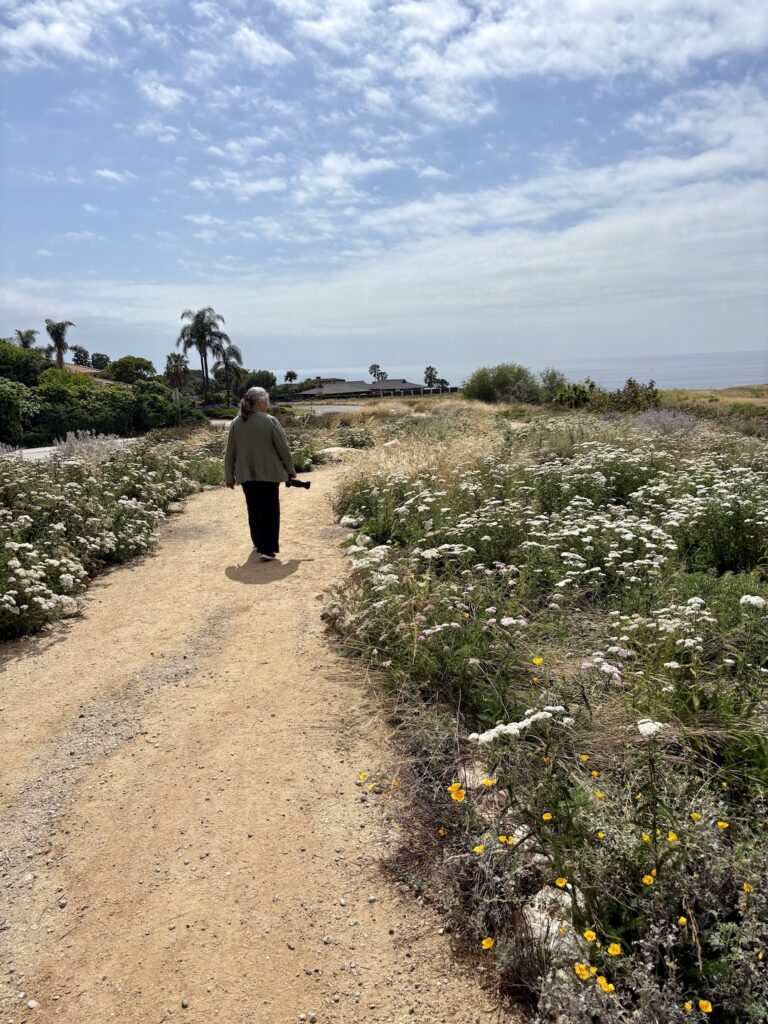
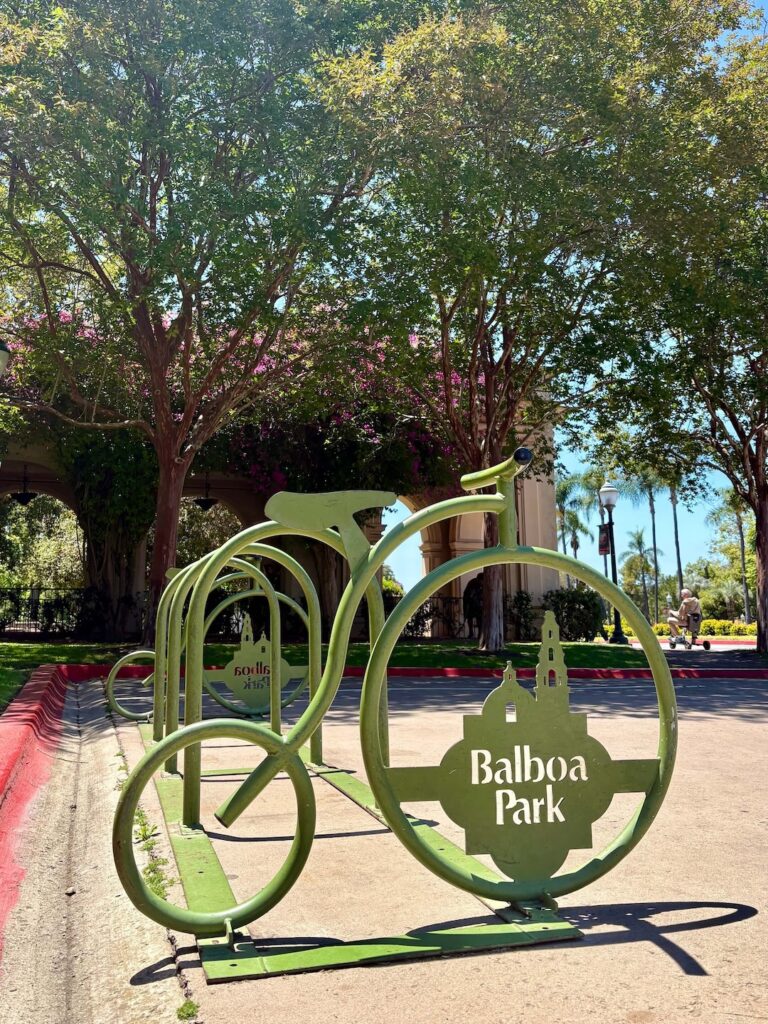
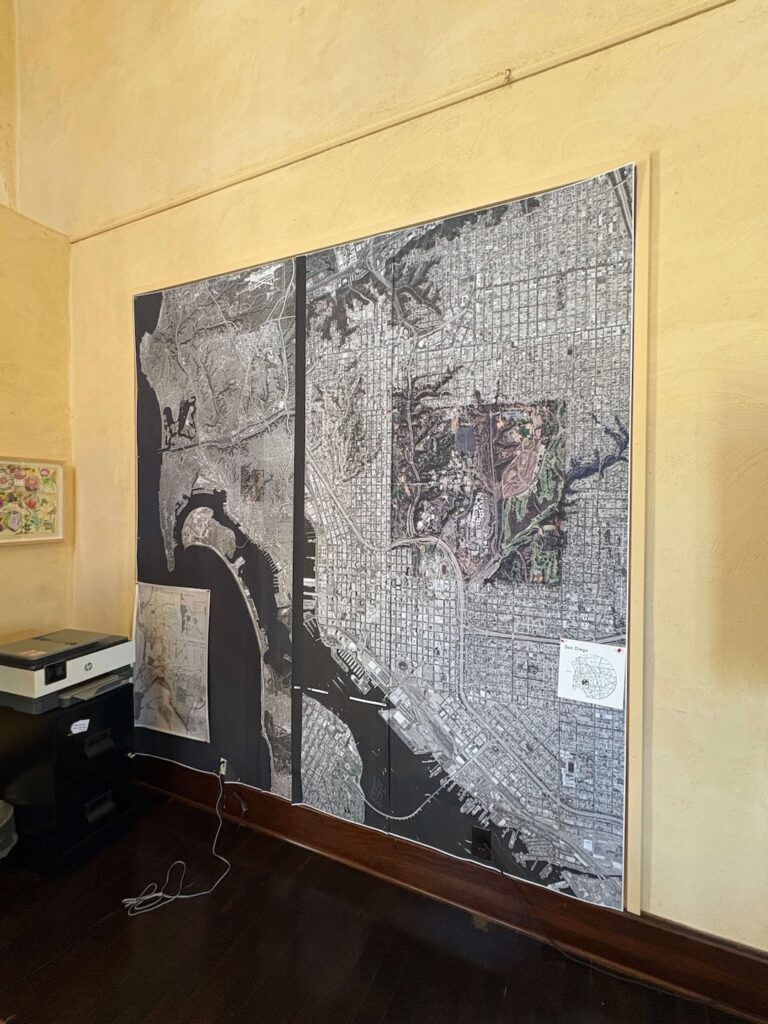
Victoria closed her California trip in San Diego at Balboa Park, where she met with staff and board members from Forever Balboa Park. Once home to the 1915 Panama-California Exposition and roughly 375 acres larger than Central Park, the park remains a major cultural destination with a unique Olmsted history—and ongoing questions about how that legacy is understood and activated today.
Boston
Back on the East Coast, Sue met with donors in Boston and visited Moraine Farm, a carefully preserved Olmsted-designed landscape along the shores of Wenham Lake. The site offered a clear counterpoint to the West Coast conversations: not restoration after sudden disruption but long-term stewardship of a landscape shaped by time, continuity, and careful care.
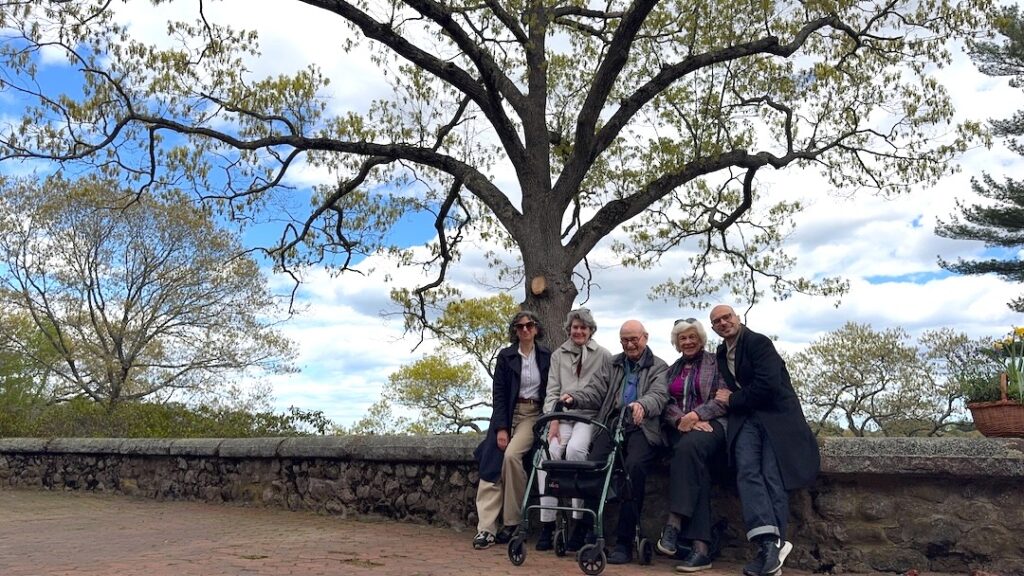
The one-time private estate now has a complex governance structure, with the Trustees of Reservations owning and managing the bulk of the property, a school and farming training program operating on the landscape, a friends group dedicated to interpreting and preserving the landscape, and a community-building nonprofit that operates a ropes course on the land. Part of the original estate is still privately held. That may be the most complex structure we have seen yet!
Chicago
The month closed in Chicago, where Sue celebrated our partners at Friends of the Parks and visited Jackson Park, the historic Olmsted-designed landscape now undergoing major transformation as the site of the Obama Presidential Center, which broke ground in 2021 and is scheduled to open this month on Juneteenth.
The visit offered a firsthand look at one of the most significant and contested contemporary interventions in an Olmsted landscape. The scale of the project highlighted the broader question of how historic public parks absorb new institutional uses without losing their fundamental role as open civic space.
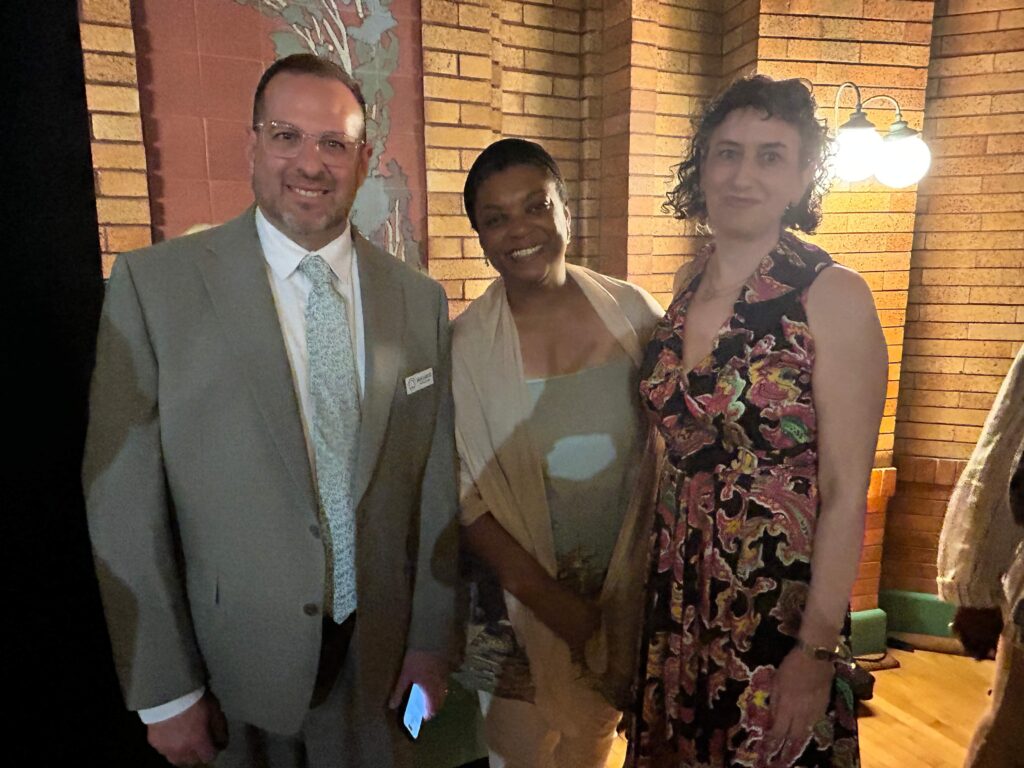
Friends of the Parks Executive Director Brian Gladstein, Friends of the Parks and Olmsted Network Board Member Bronwyn Nichols Lodato, and Olmsted Network President Sue Breitkopf at the 2026 Friends of the Parks Gala. 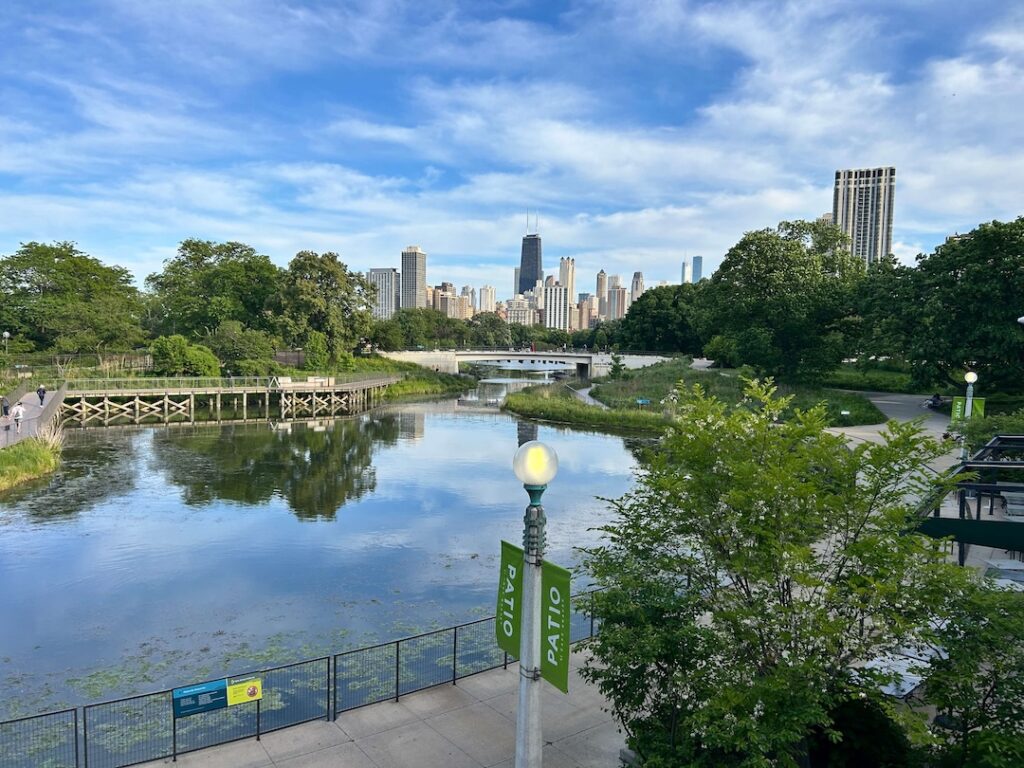
Lincoln Park and Chicago skyline, Chicago, IL. 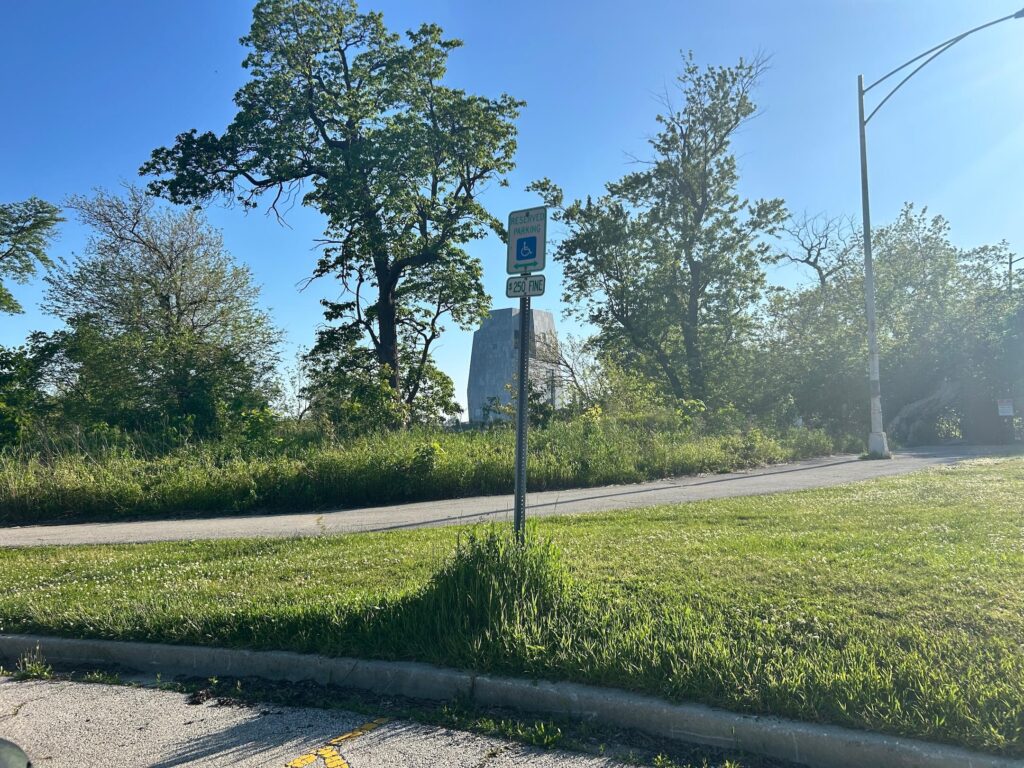
The Obama Presidential Center rising up behind the Jackson Park landscape, Chicago, IL. 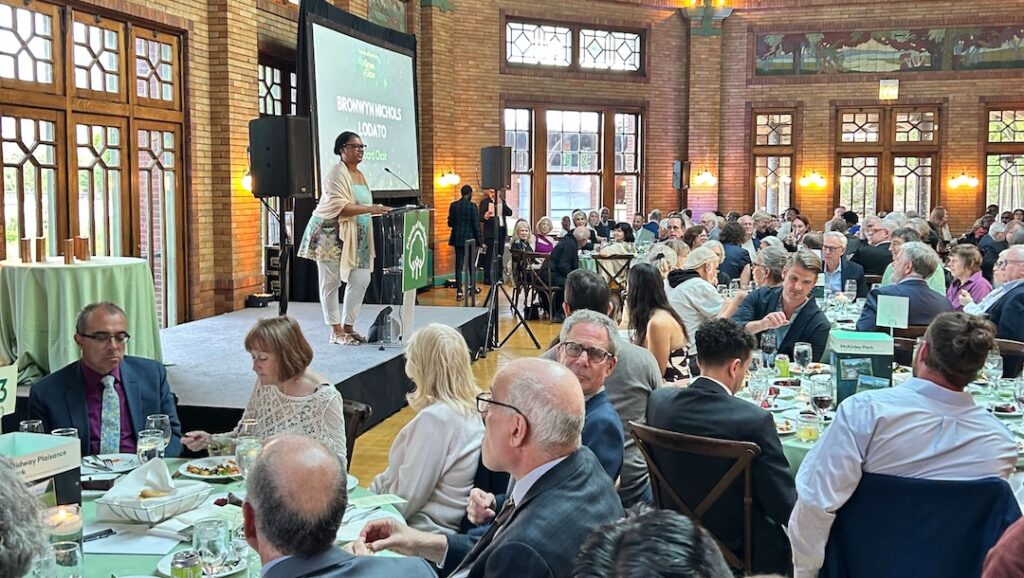
Bronwyn Nichols Lodato, a board member of Friends of the Parks and the Olmsted Network, as well as a member of the Midway Plaisance Advisory Council, speaking at the Friends of the Parks Gala.
Sue also experienced the vibrancy of Washington Park, where community members were hosting a large-scale cookout on a Wednesday evening, and the beauty of the Midway Plaisance, a parkway that connects the two parks. Much of the Midway is maintained by the University of Chicago, the Olmsted-designed campus of which runs along the Midway’s perimeter.
Why It All Matters
Olmsted’s landscapes are never finished stories. They burn, erode, and face pressures that no amount of good design can anticipate, and they need people willing to show up to protect them.
In Pacific Palisades, that means asking whether recovery can also be an opportunity. In Palos Verdes Estates, it means confronting erosion and the quieter forces reshaping the largest Olmsted Brothers community in the country. In Chicago, it means grappling with what stewardship looks like when a historic park takes on new institutional scale and begins to function less as open civic ground and more as a layered campus.
The Olmsted Network exists in that space of negotiation—between intention and reality, design and time, public promise and present-day pressure. Our work is to surface the people doing this stewardship, connect them to one another, and ensure they are not carrying it alone.