
I grew up with Prospect Park at my corner; literally, as I lived on Eastern Parkway half a block from the park’s entrance at Grand Army Plaza. Perfect, right?
Prospect Park wrapped its leafy arms around so much of my early life. Walking across Grand Army Plaza and into the park’s opening grand space was close to mystical travel to a little girl prone to imagining. I spent many blissful hours sitting on the grass dreaming up my own or picturing stories. The Park—we always called it The Park—had a big lake and the beautiful Boathouse where, surely, the Brothers Grimm’s Twelve Dancing Princesses wore out their shoes every night.
The park was a place to safely be whatever I wanted, run where I pleased, watch waterfowl celebrate, see an unencumbered sky, hug trees. Its only rival for me was the Brooklyn Botanic Garden, designed by the Olmsted firm in 1909. And, of course, they didn’t seem like rivals; more like bookends to a perfect place to grow up.
Years after I moved away and then returned after a tragedy in my family, I heard about a job available with the Prospect Park Alliance. It was in development, and while what I knew about raising money professionally might have filled one inch of Prospect Park, I loved the place. I wept through my interview with Tupper Thomas, finally telling her that she would find people way more experienced, but never anyone who loved the park as much as I did. She hired me.
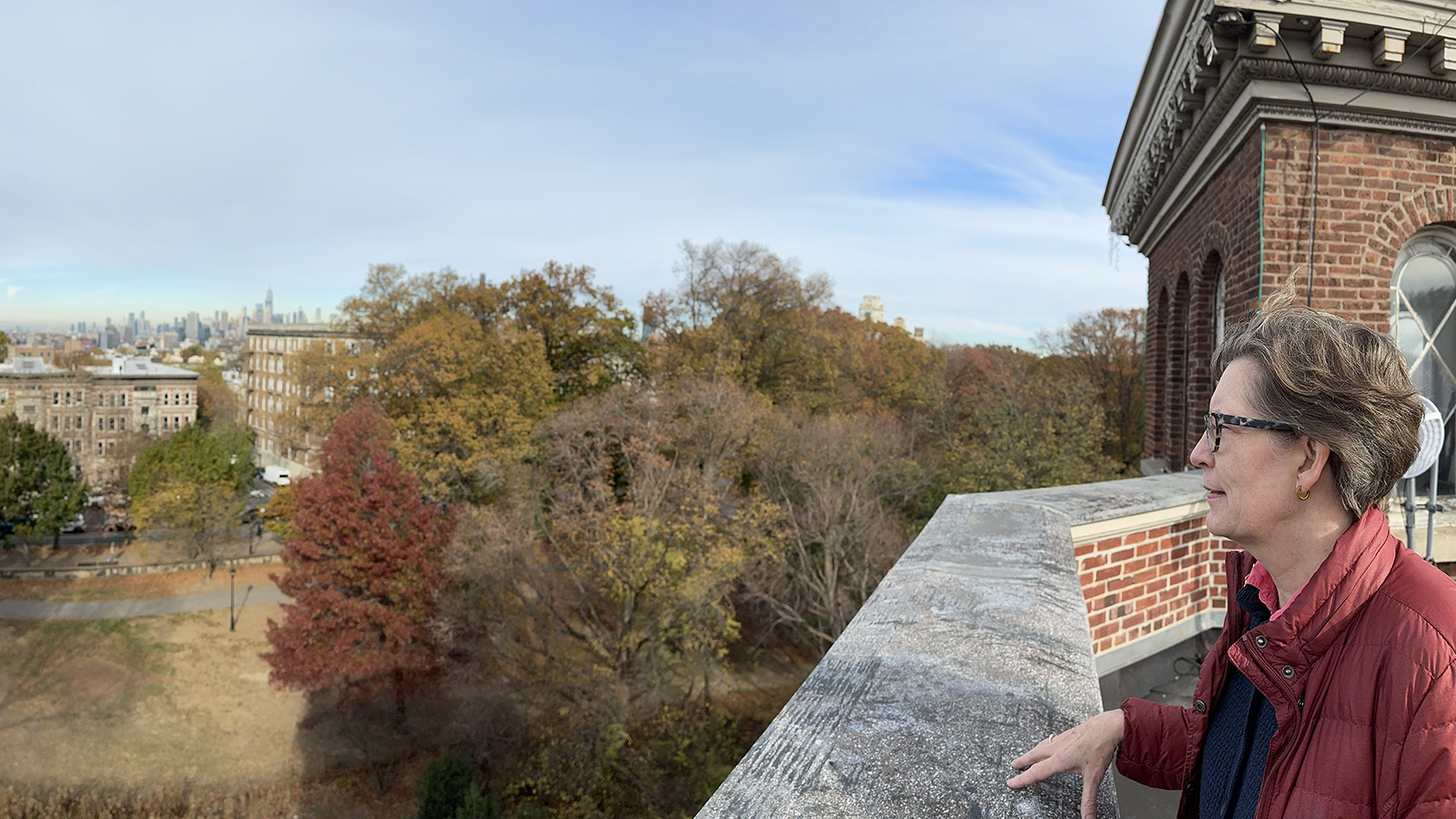
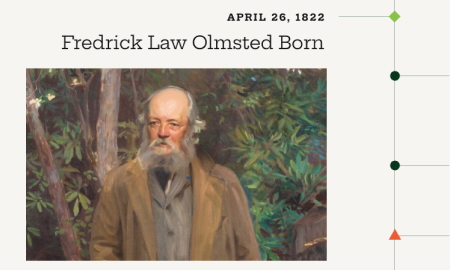
I was restored every day as I crossed the berm into Prospect Park, just as Frederick Law Olmsted wanted, giving me a peaceful and civil place in which my spirit could be soothed.
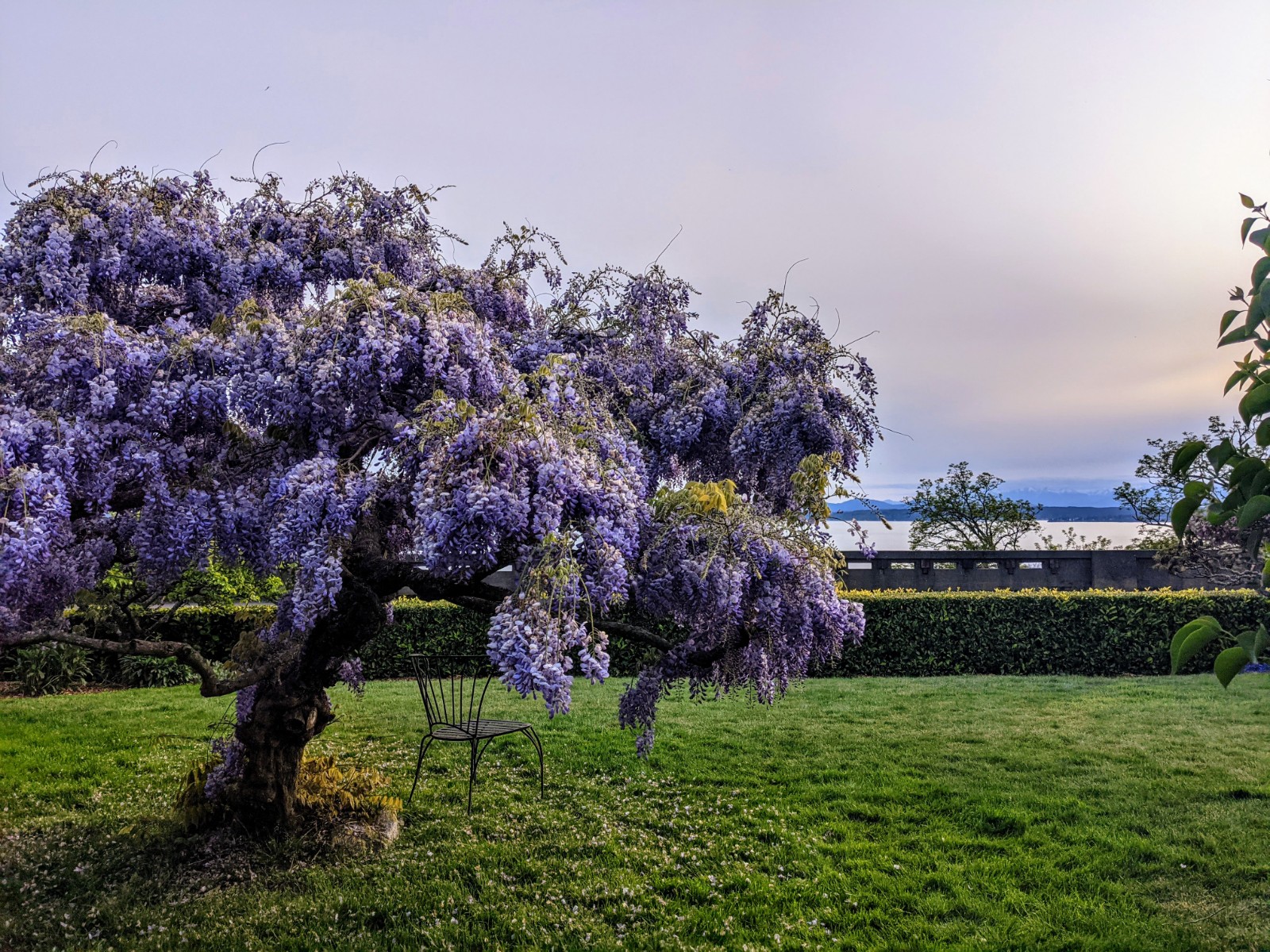
Several more years after that, I moved to Seattle because that is where my son decided to live. Not wanting to be separated by 3000 miles, I uprooted and found myself living in a place vastly different from New York City. I was terminally homesick. To cheer myself up, I walked and, one day, found myself in Volunteer Park. As soon as I entered, I began to feel something familiar and comforting and I was sure it was an Olmsted landscape. It anchored me to my new home.
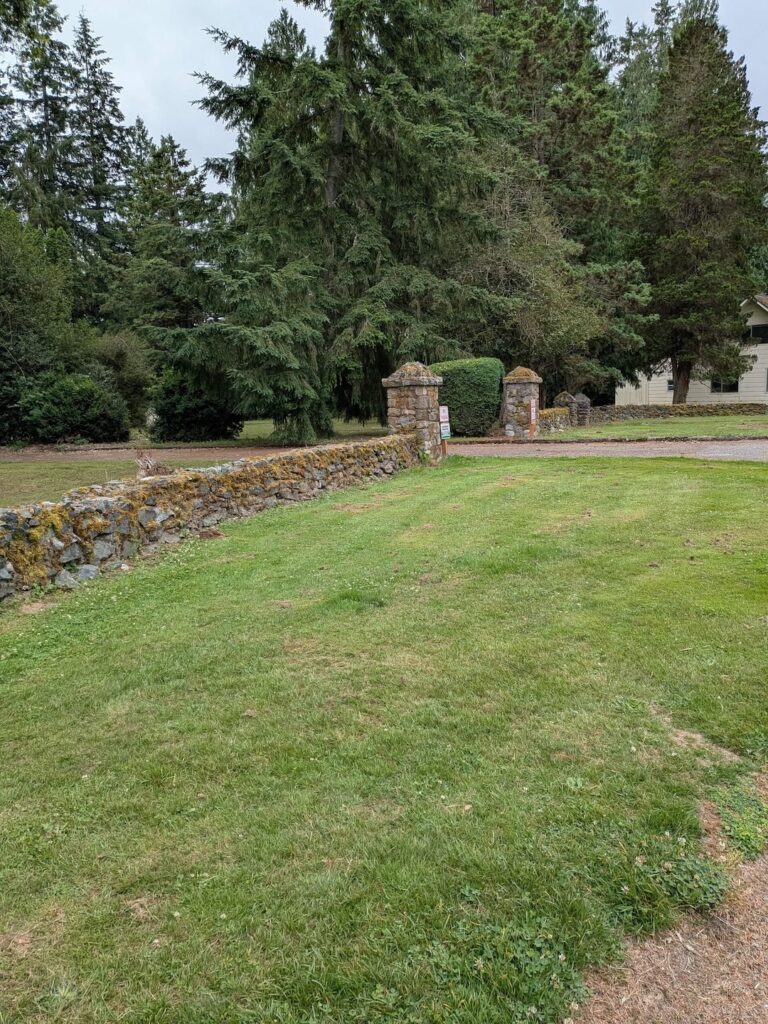
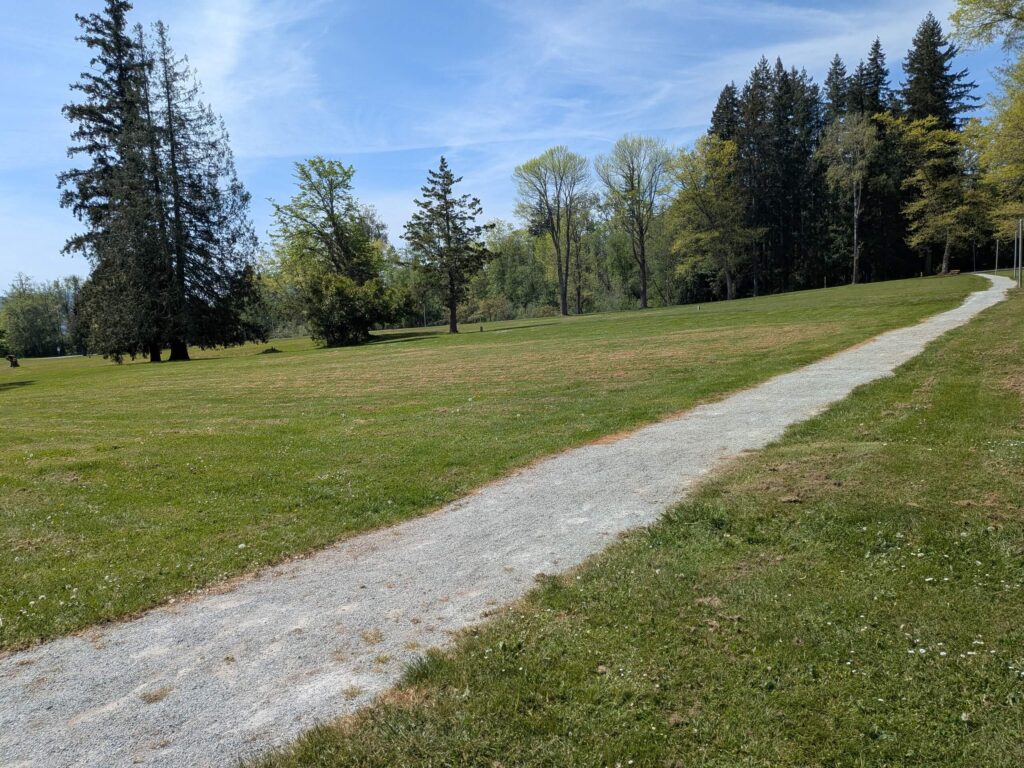
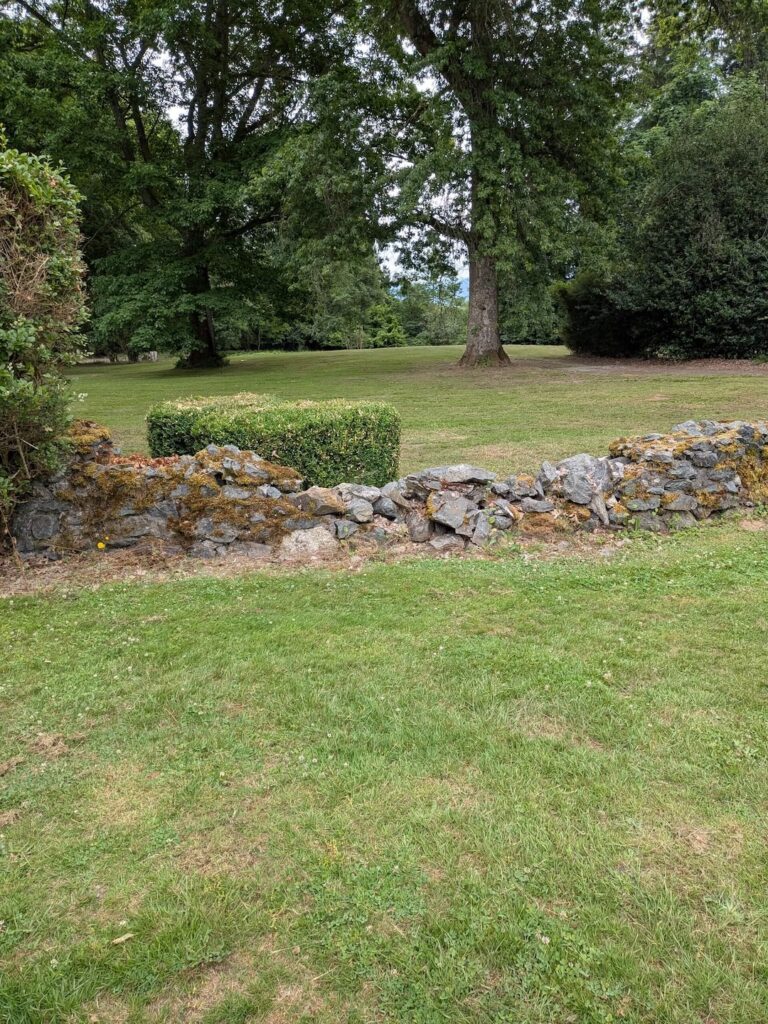
Over the years, I have written walking guides to Olmsted landscapes in three locations coast to coast. I live even farther north now, and I am about to do a presentation about one of the largest Olmsted landscapes in the history of the firm—Northern State Hospital in Sedro-Woolley, spanning 1087 acres. Closed since 1973, over 700 acres of the property have since been converted to the Northern State Recreation Area, while retaining original features like pathways and stone walls. The very first time I passed through the gracious entry, I saw it instantly—the broad vista of a rolling landscape surrounded by mature trees providing shelter and shade. The recognition stopped me, thrilled me, and served as a welcome home in a way only an Olmsted design can offer.
The vision is enduring.
Holly Redell-Witte lives and writes in La Conner, WA, where she chairs the La Conner Arts Commission. She is lucky to be surrounded by wood, water, and turf, continuing to appreciate and be soothed by Olmstedian foundational principles. A fiction and nonfiction writer, her stories appear in literary journals and magazines.