

About Elk Rock Garden
About Elk Rock Garden
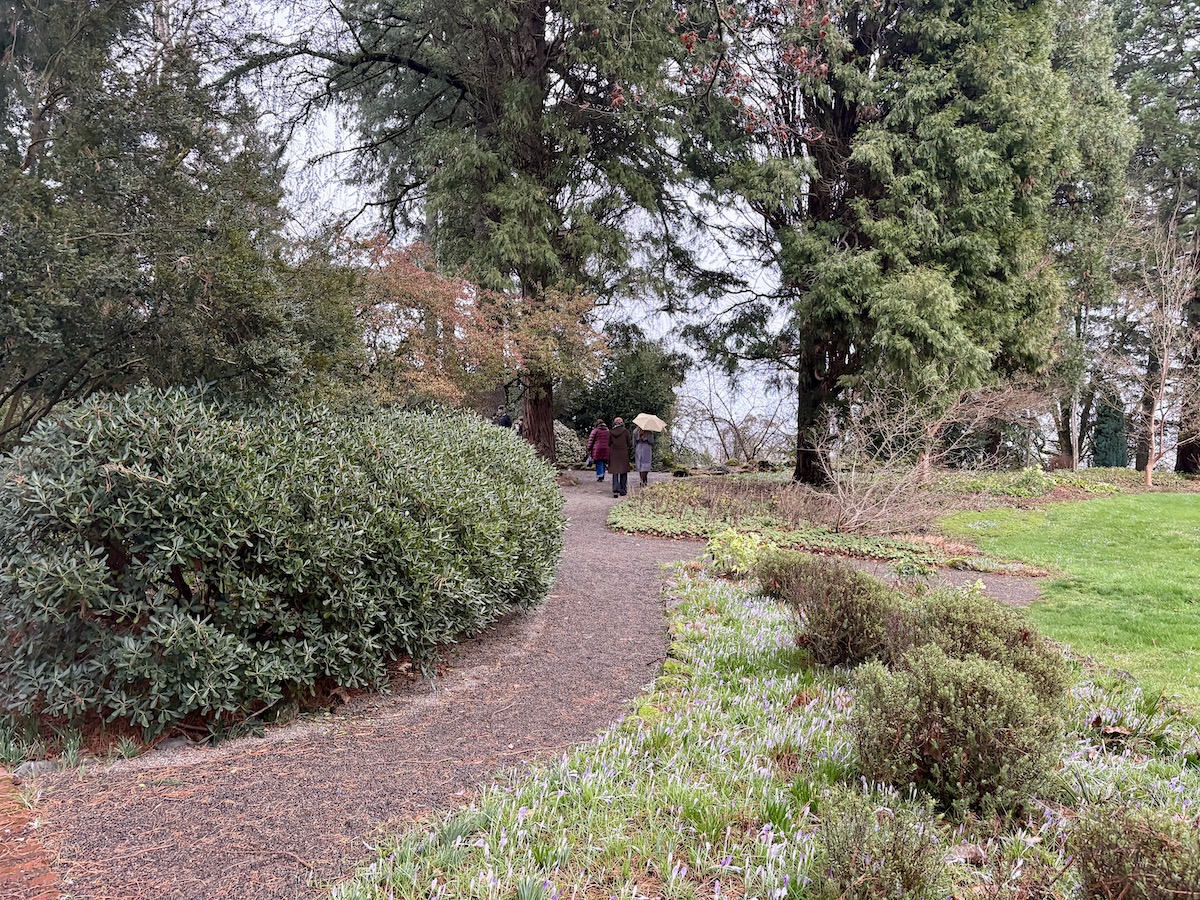
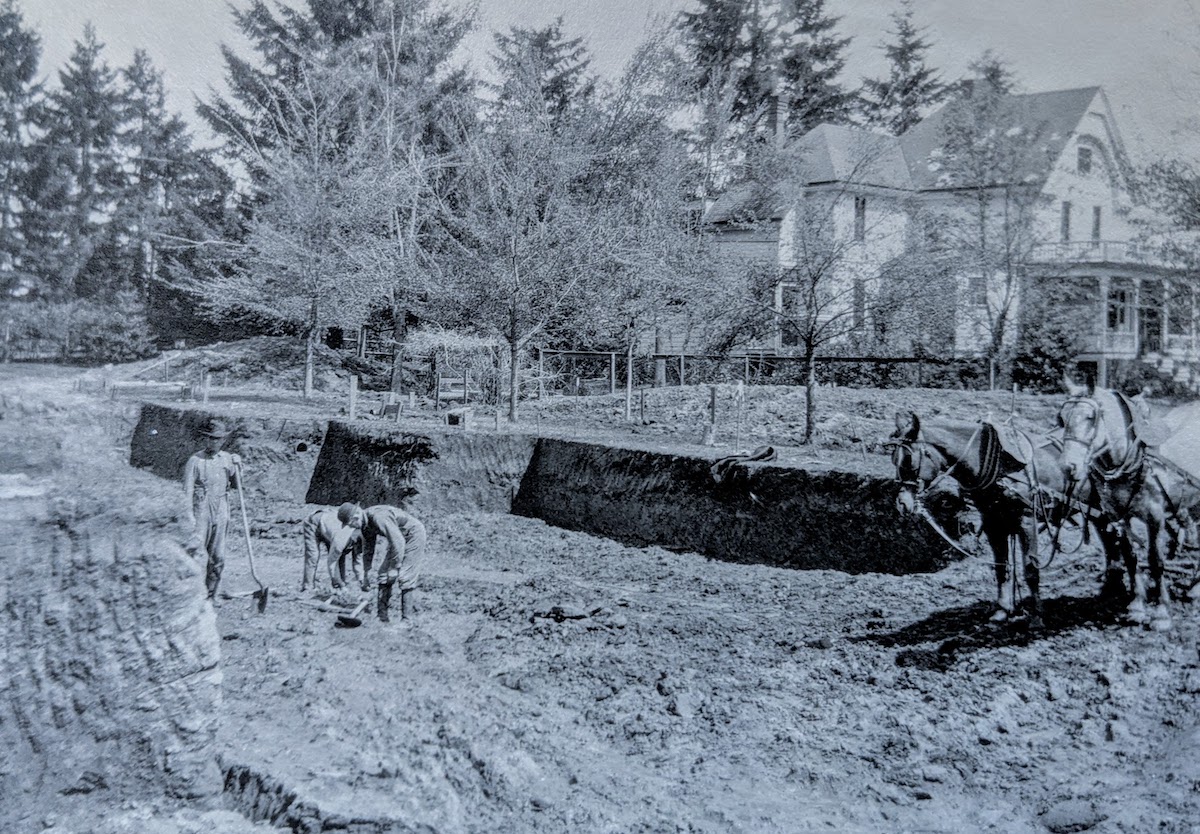
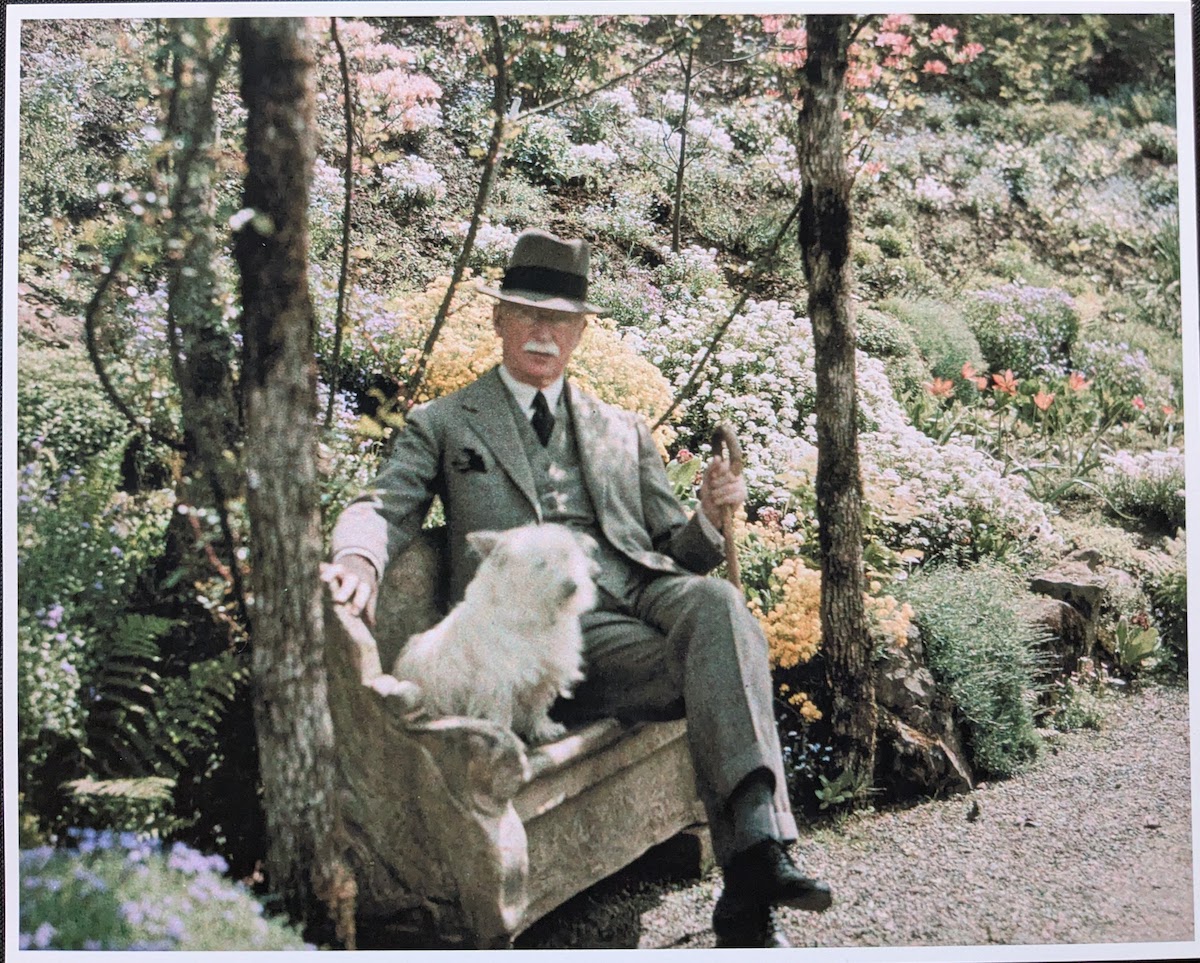
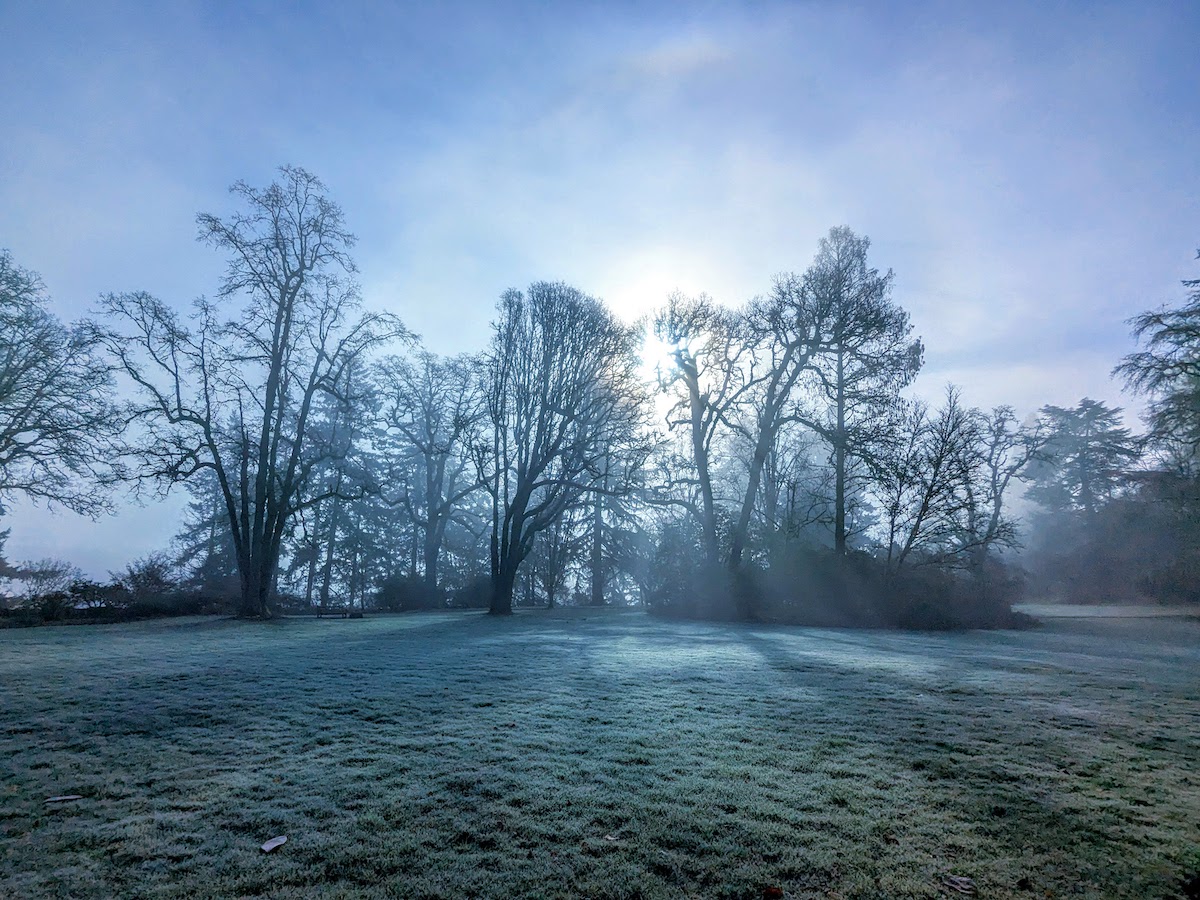
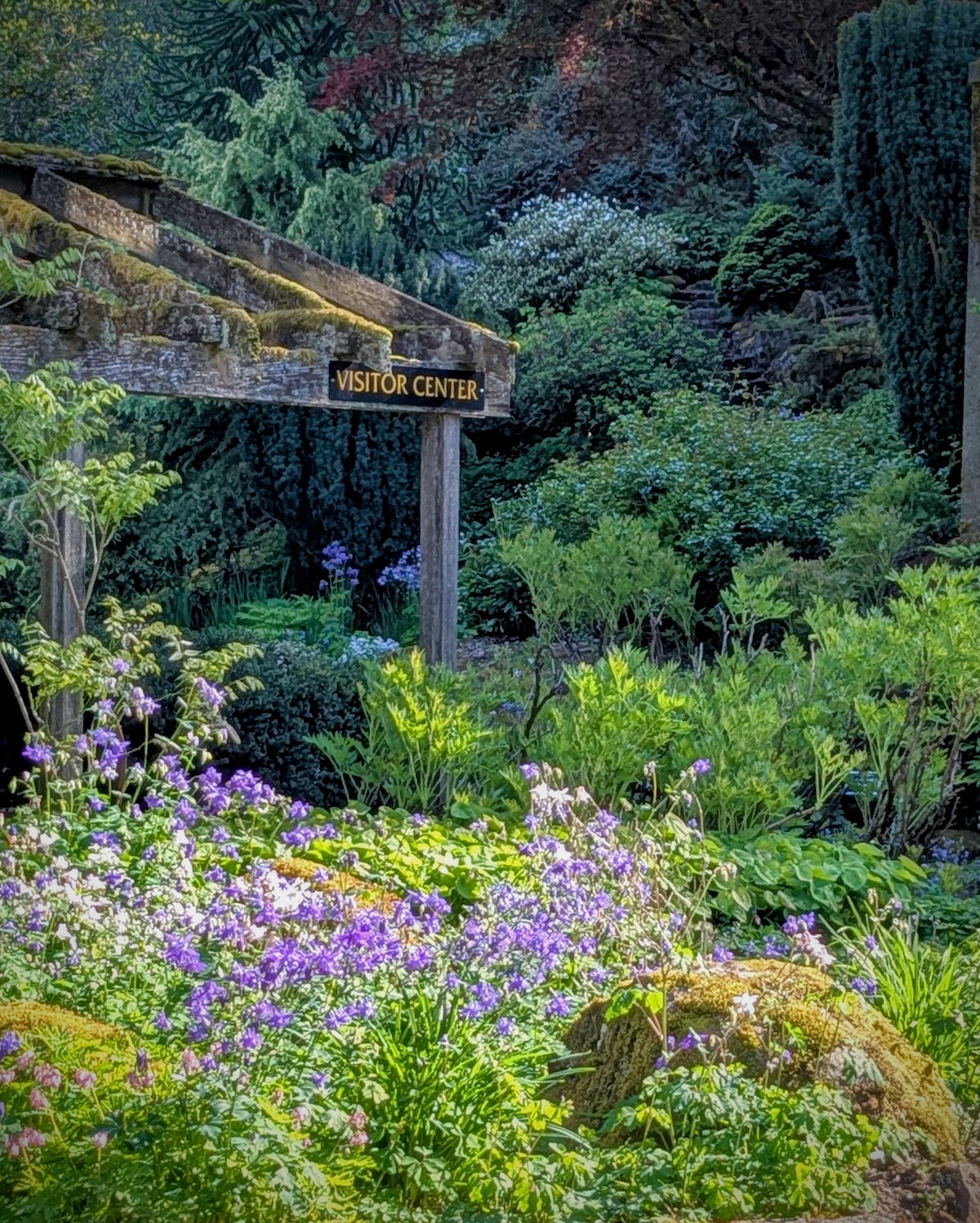
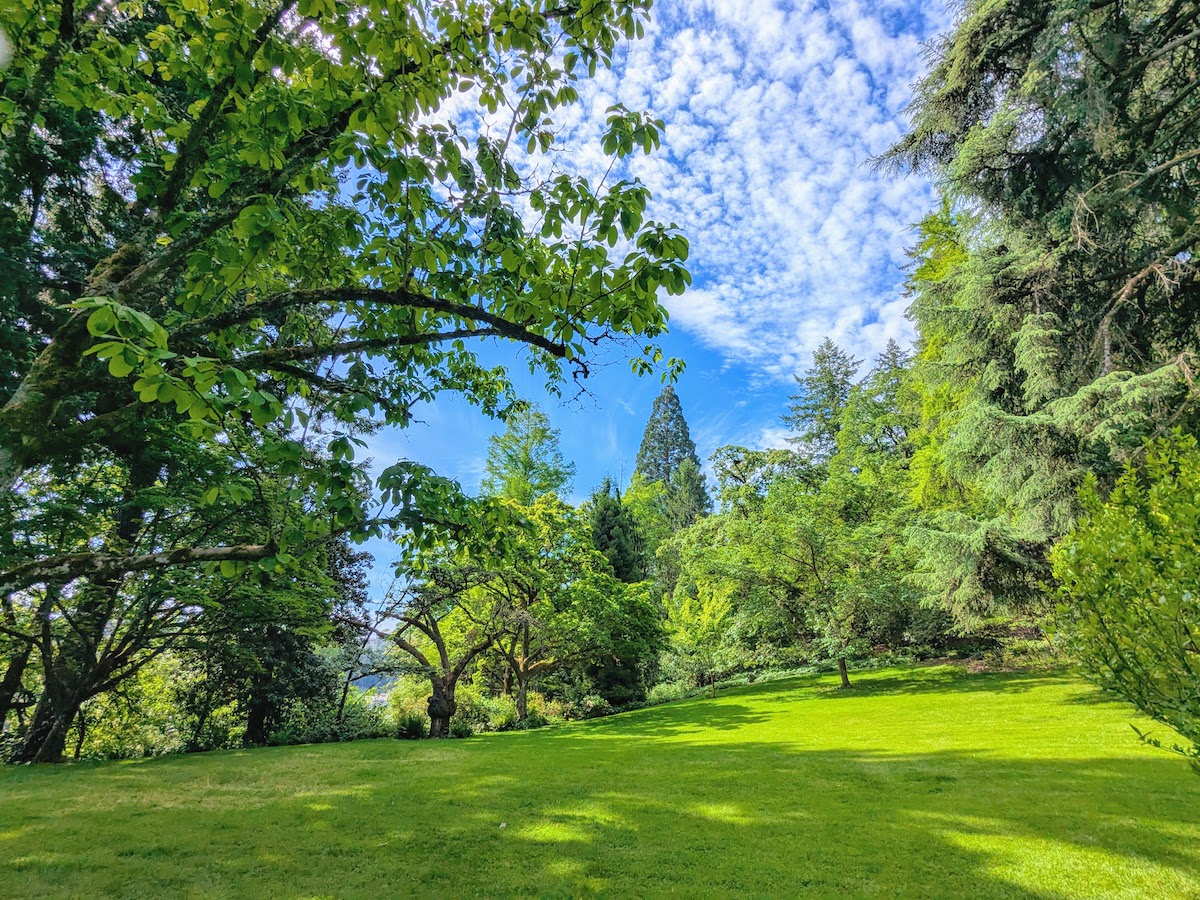
Following his arrival in Oregon in the 1880s, Scottish immigrant Peter Kerr transformed profits from his grain exporting business into something that has endured for over a century: a 10-acre garden estate that remains one of the Pacific Northwest’s most significant horticultural landmarks. What began as a modest land purchase evolved over several decades into a masterwork of garden design that continues to inspire visitors today.
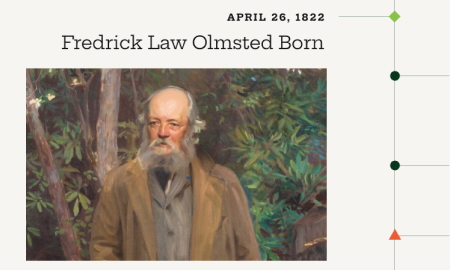
Kerr’s collaboration with John Charles Olmsted of the Olmsted Brothers firm began in 1909, when Kerr solicited professional guidance for refining his burgeoning garden.
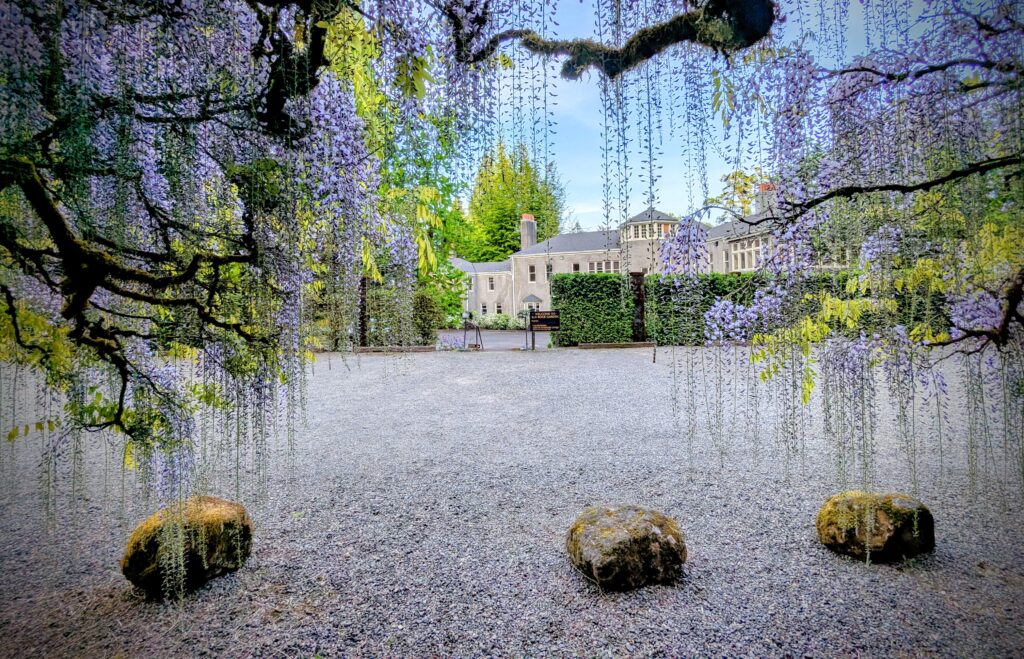
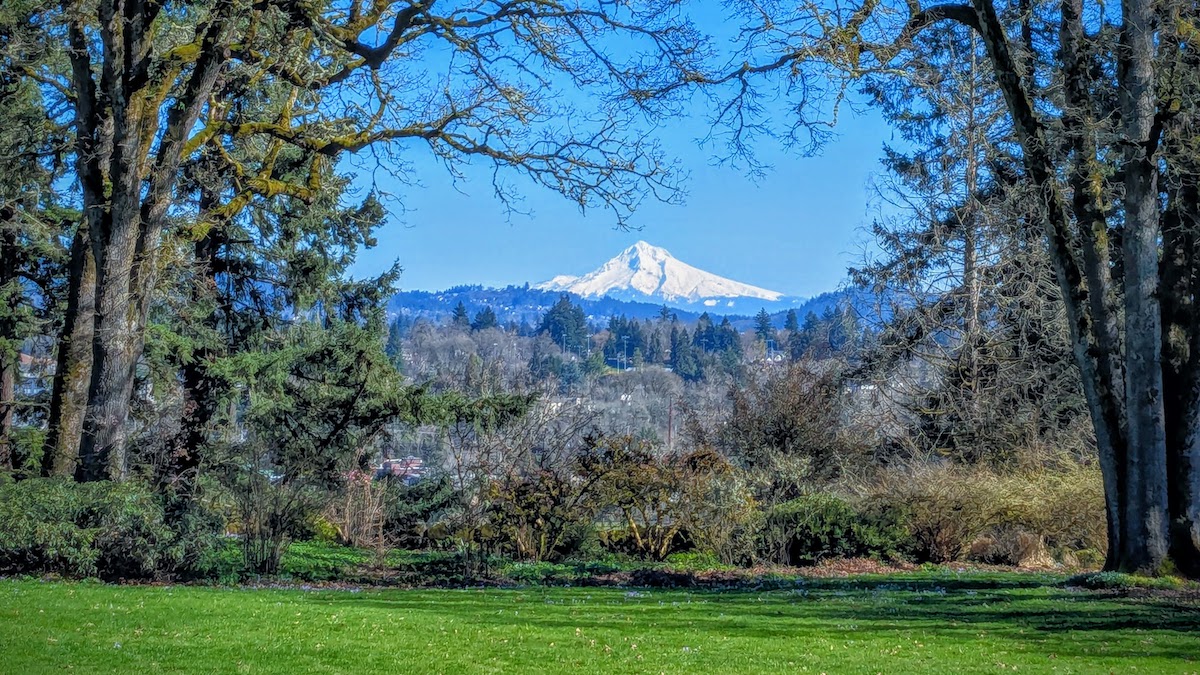
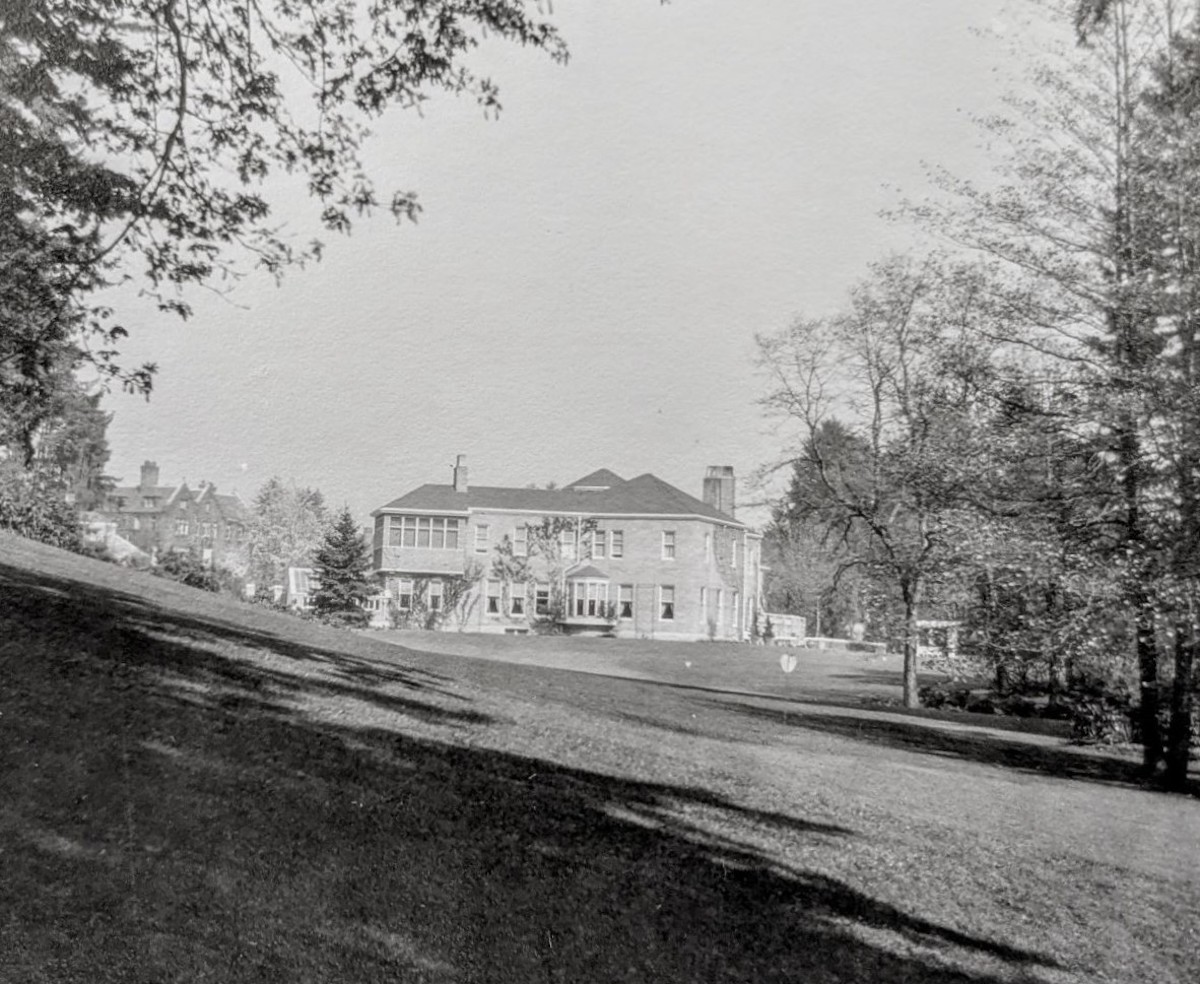
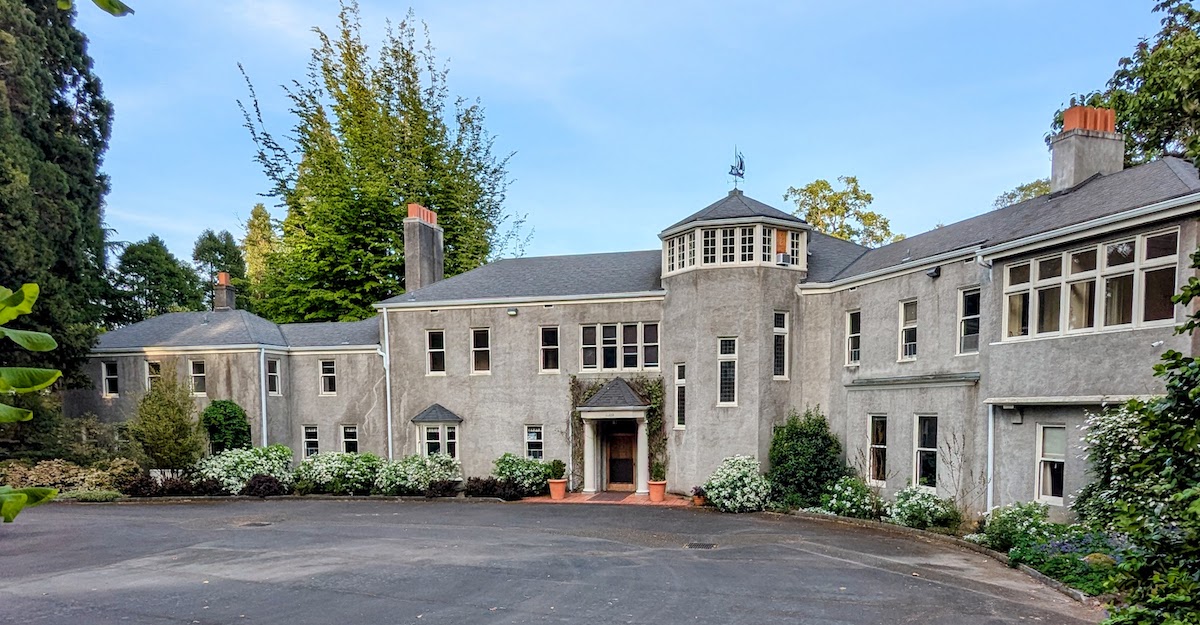
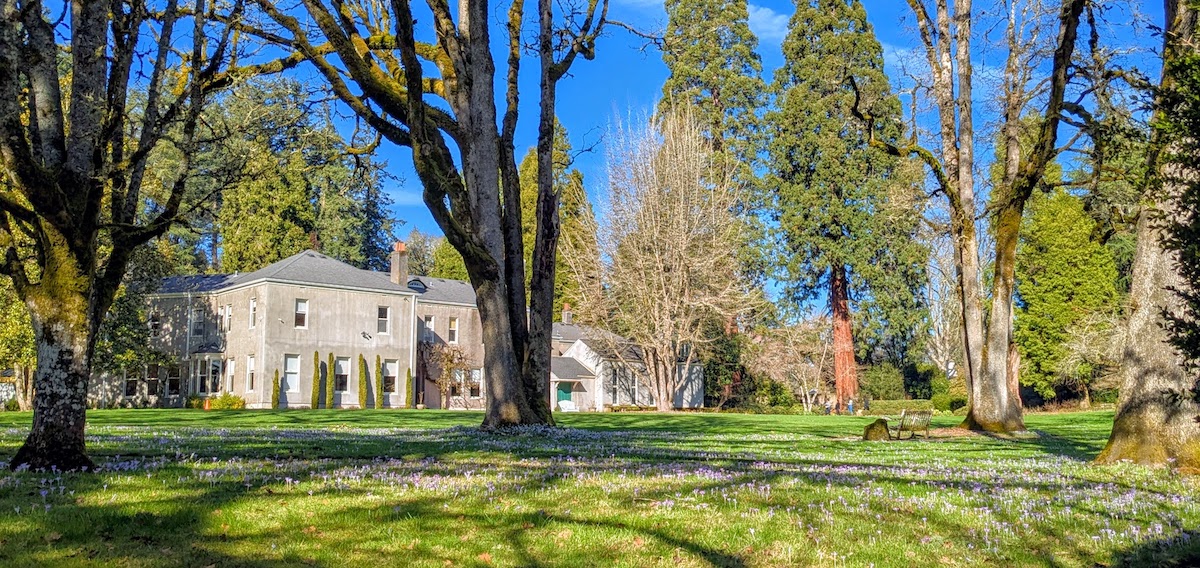
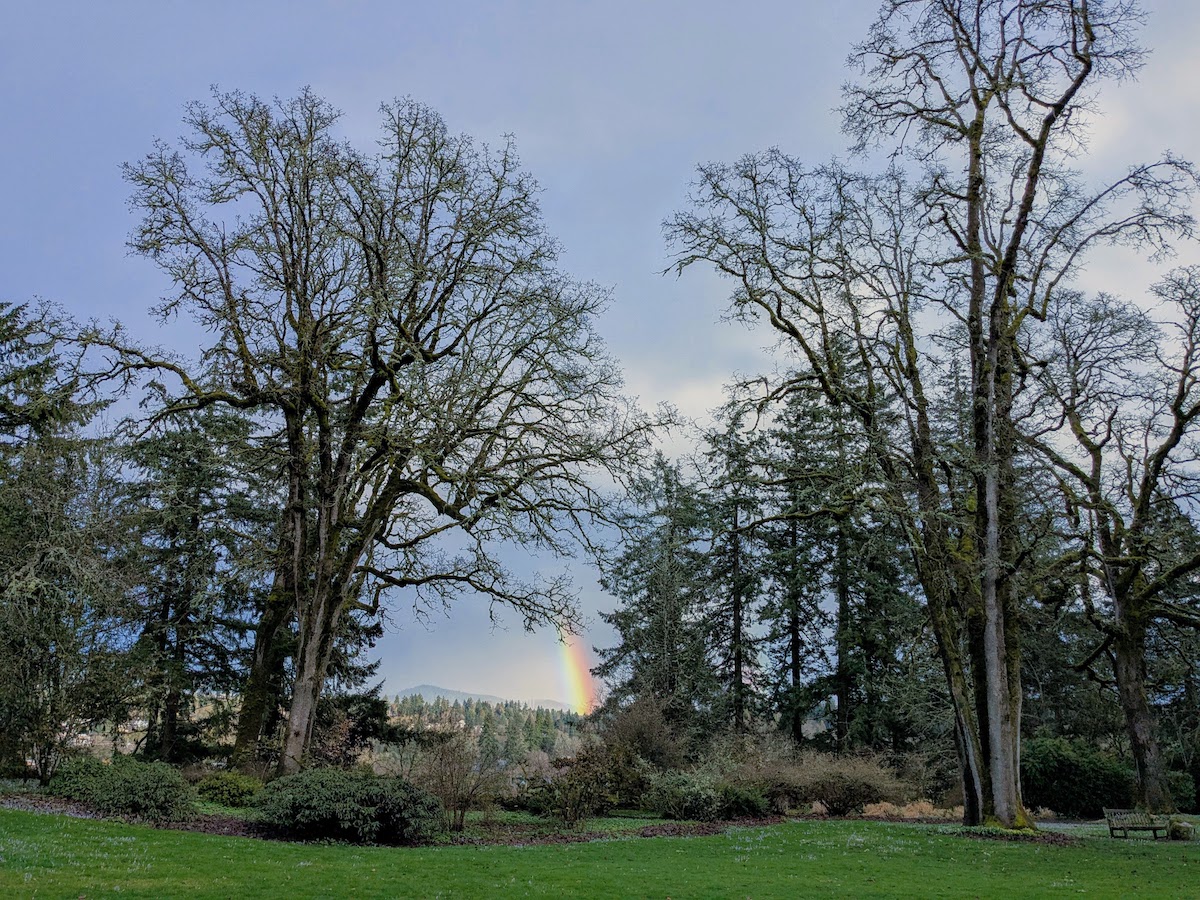
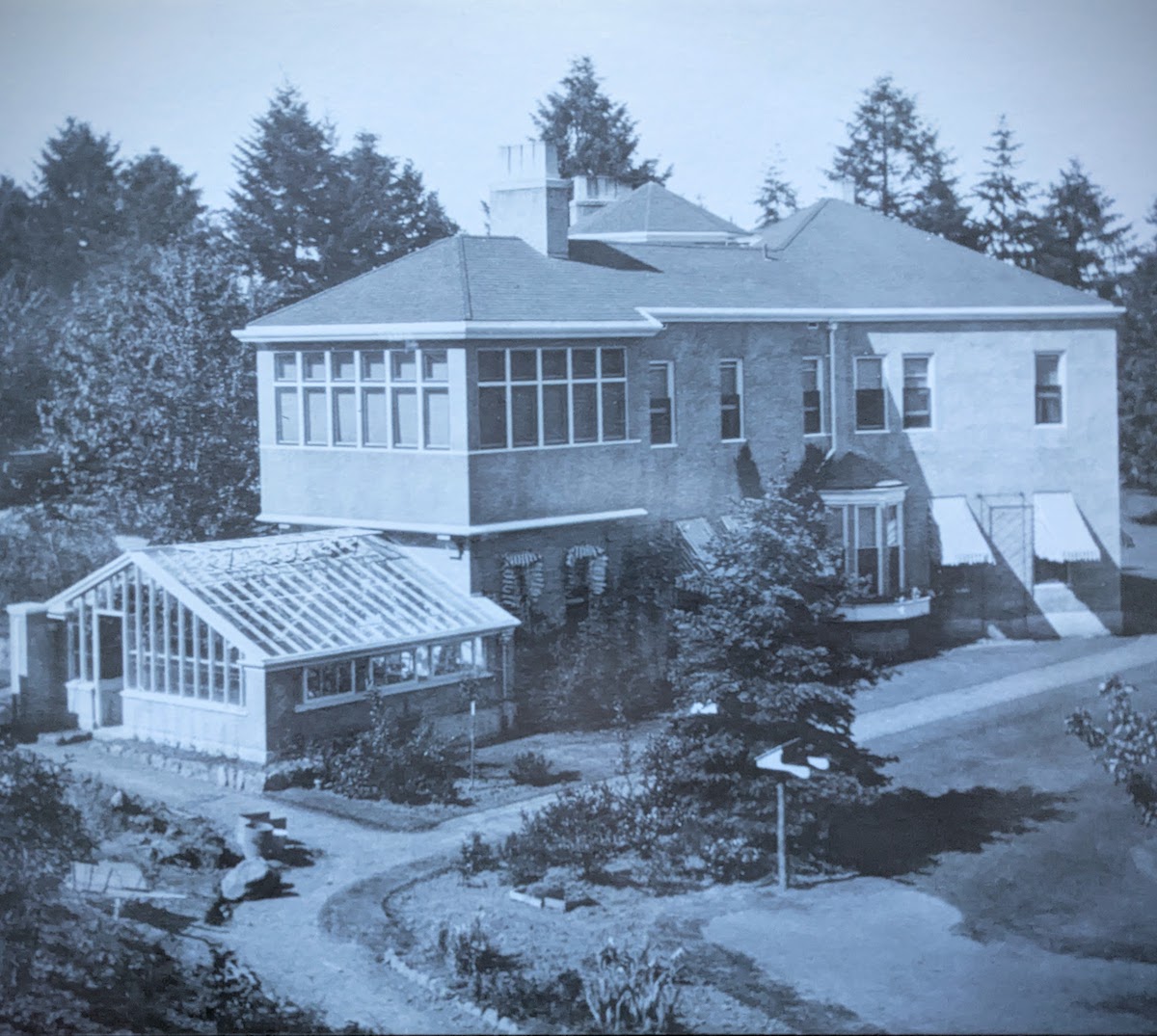
Olmsted visited the property in 1910, provided a thorough critique, and recommended that Kerr build a new main residence positioned to optimize the spectacular views of Mount Hood that are a defining feature of the site. This suggestion reflected an Olmsted firm signature approach of working with natural topography to enhance visitor experience, and the resulting manor house, (designed by Ellis Fuller Lawrence, the founding dean of the University of Oregon’s Architecture program), remains a focal point of the estate to this day.
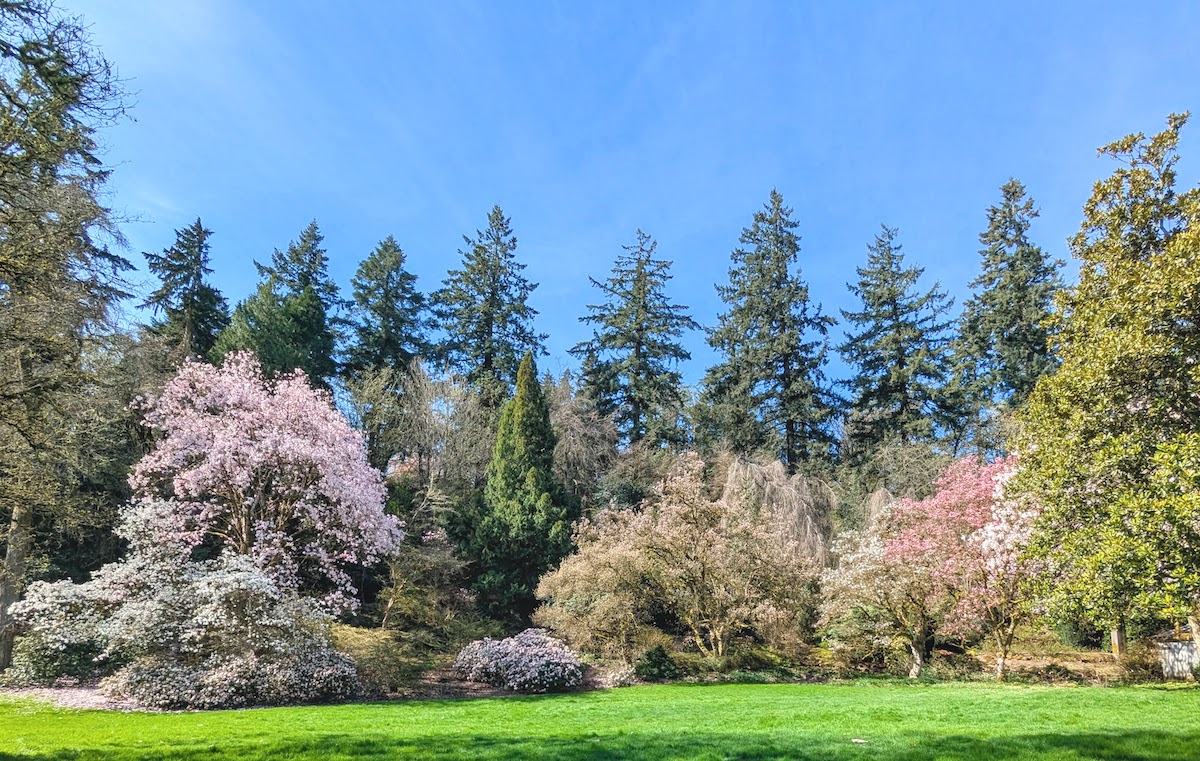
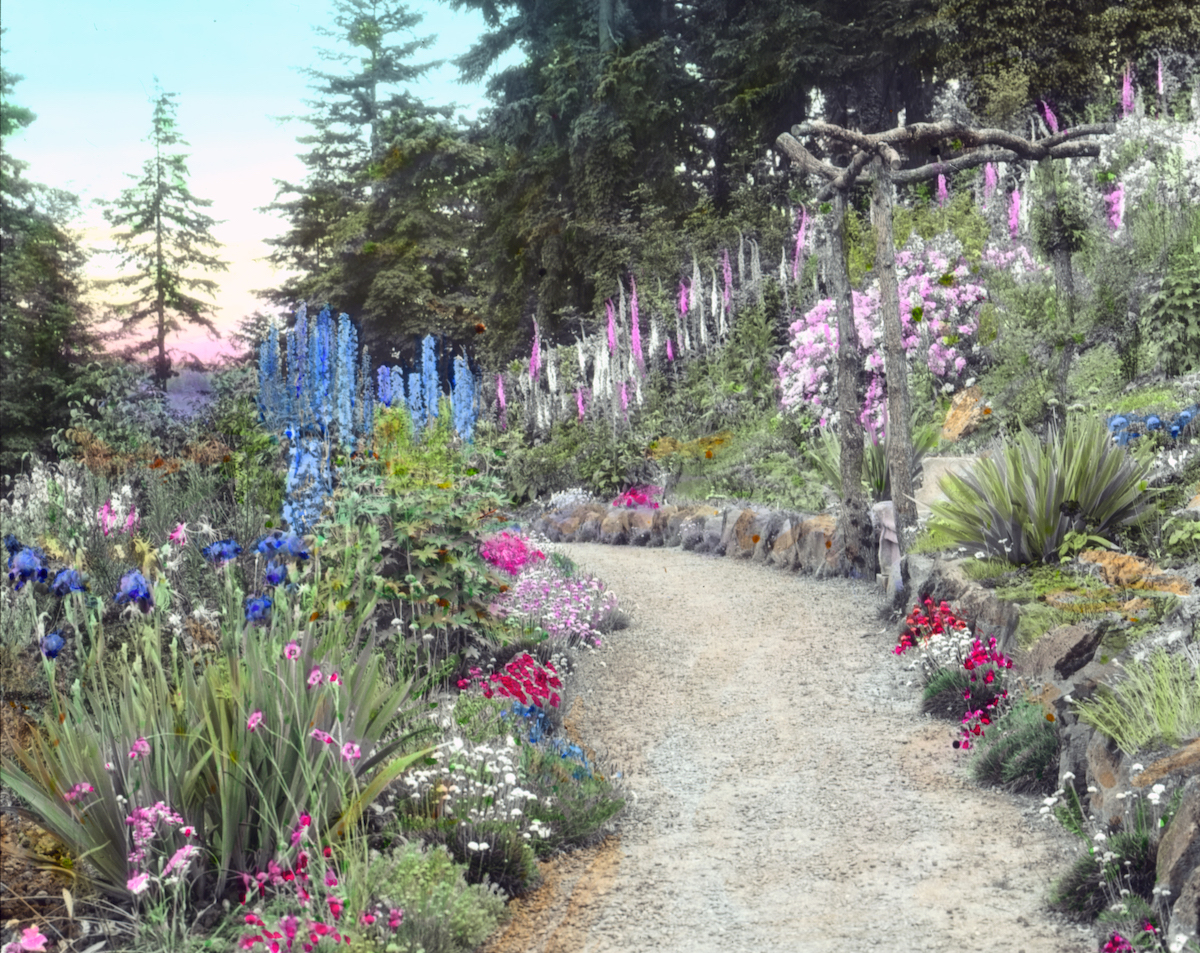
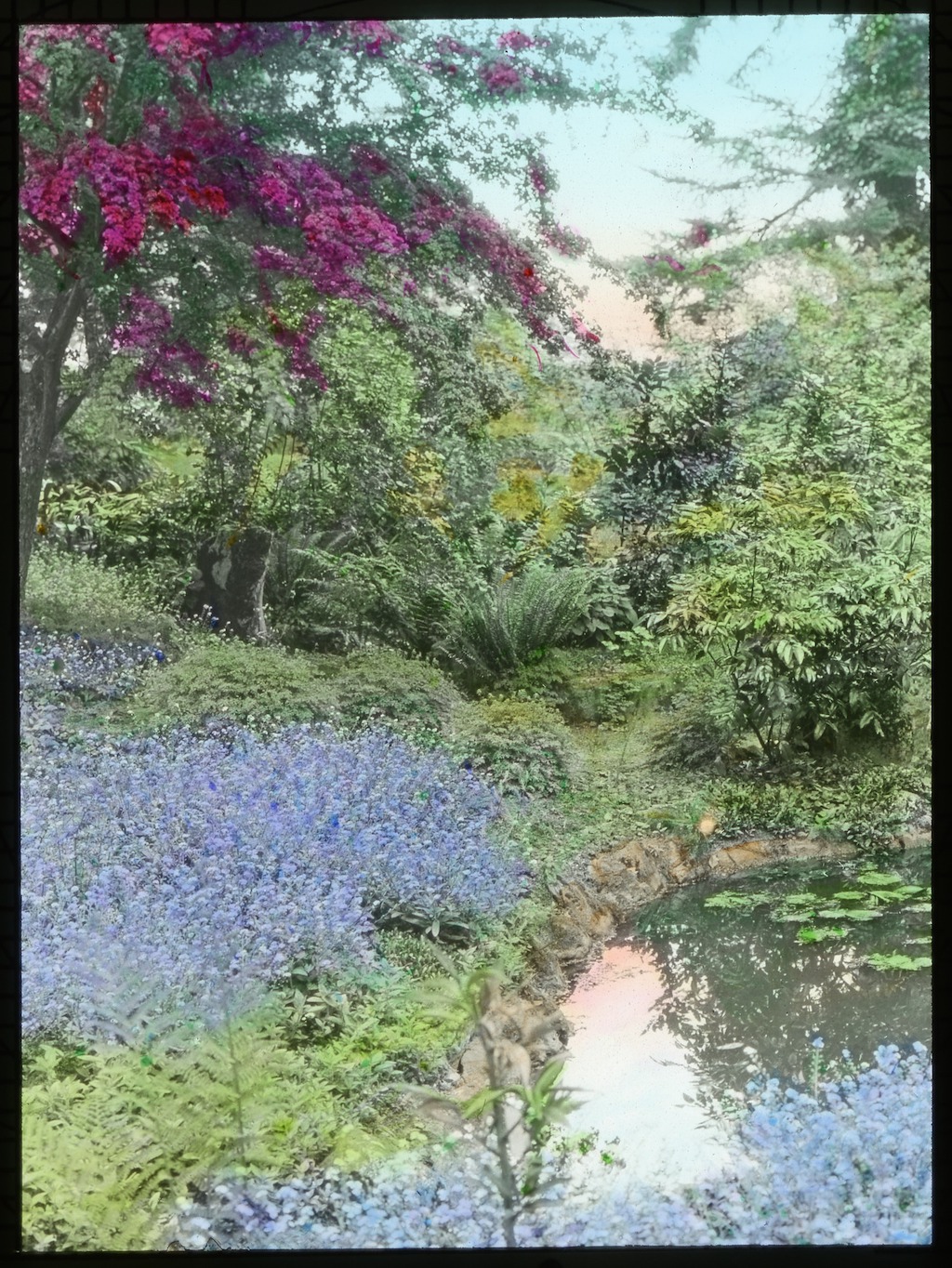
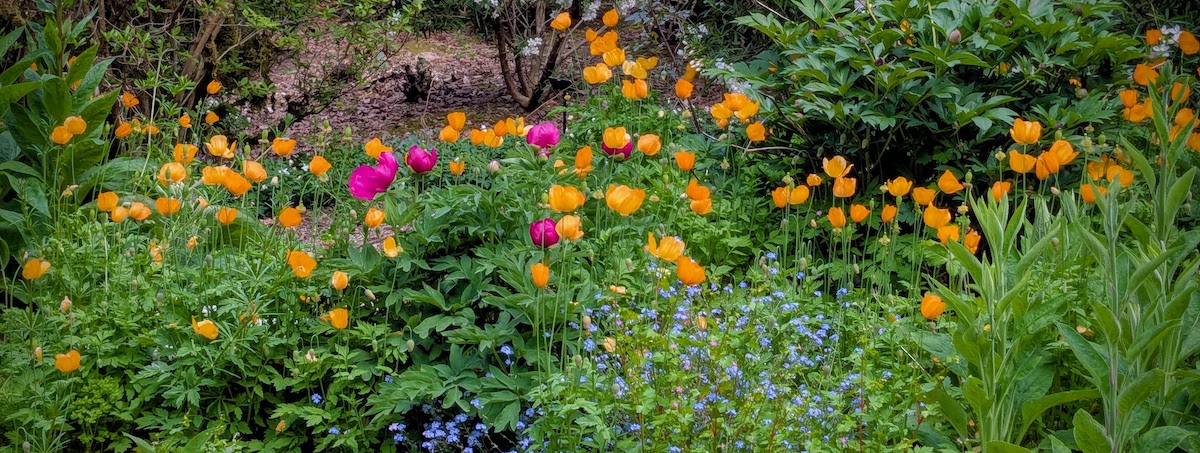
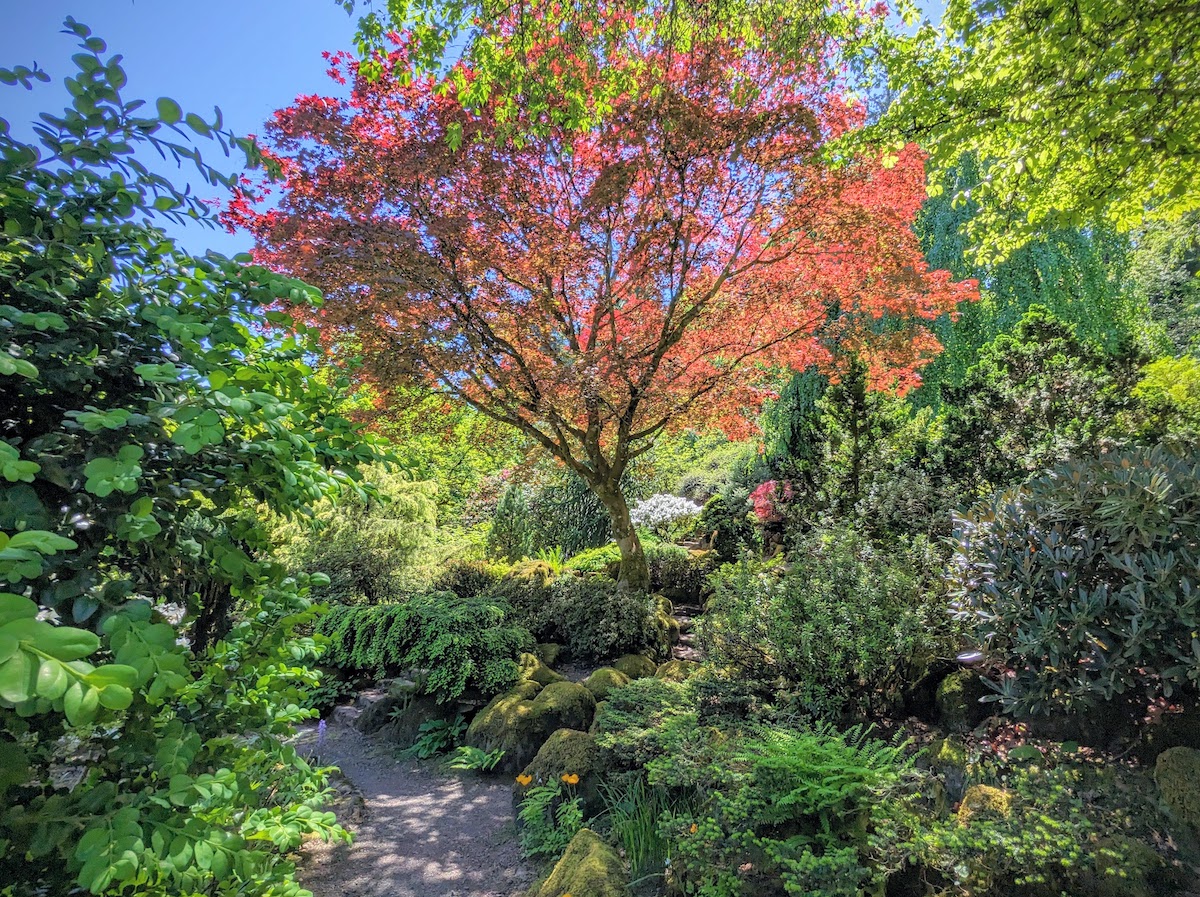
This pick-and-choose approach extended to his work with plantsman Emanuel T. Mische, who served at different times as both an Olmsted employee and superintendent of Portland’s public parks system. Mische developed a comprehensive planting scheme for the Elk Rock Garden property, but again Kerr maintained his planting independence, experimenting with favorites from Scotland, Northwest natives, specimen trees and shrubs, and a variety of annuals.This blend of professional guidance and personal passion created a garden that feels both sophisticated, yet deeply personal.
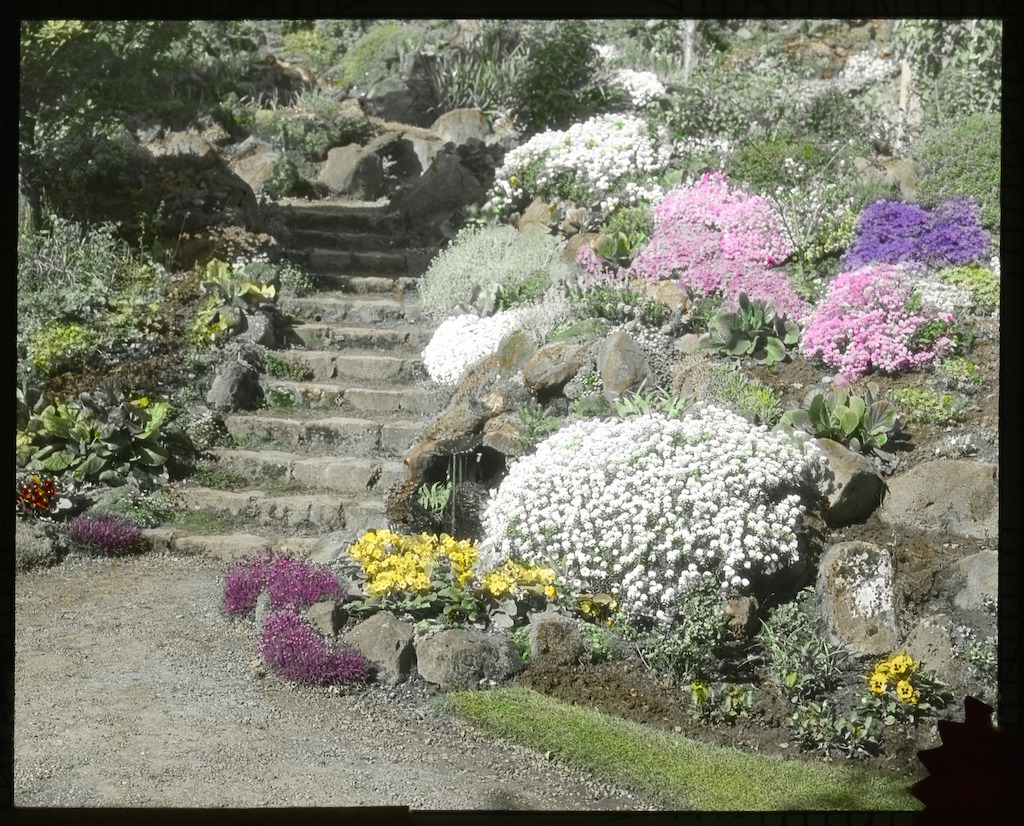
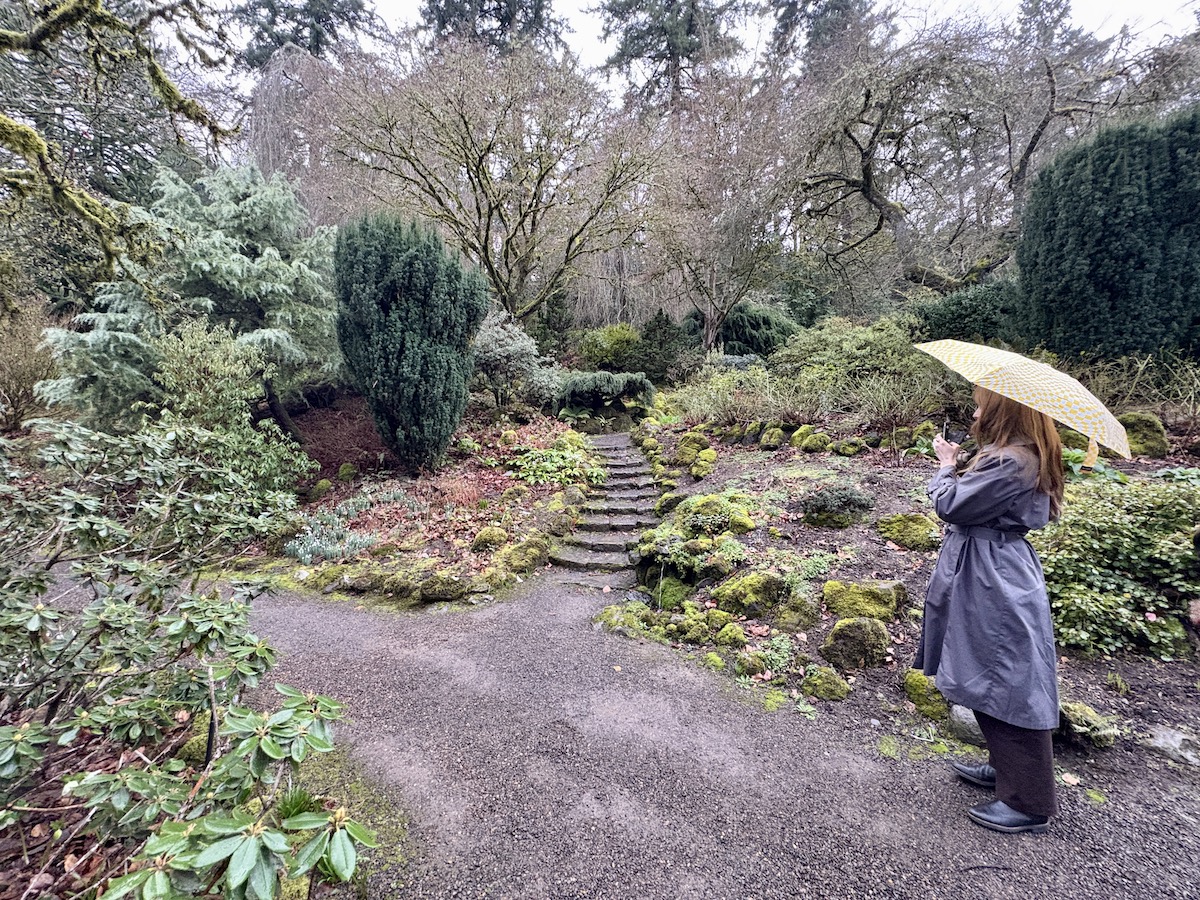
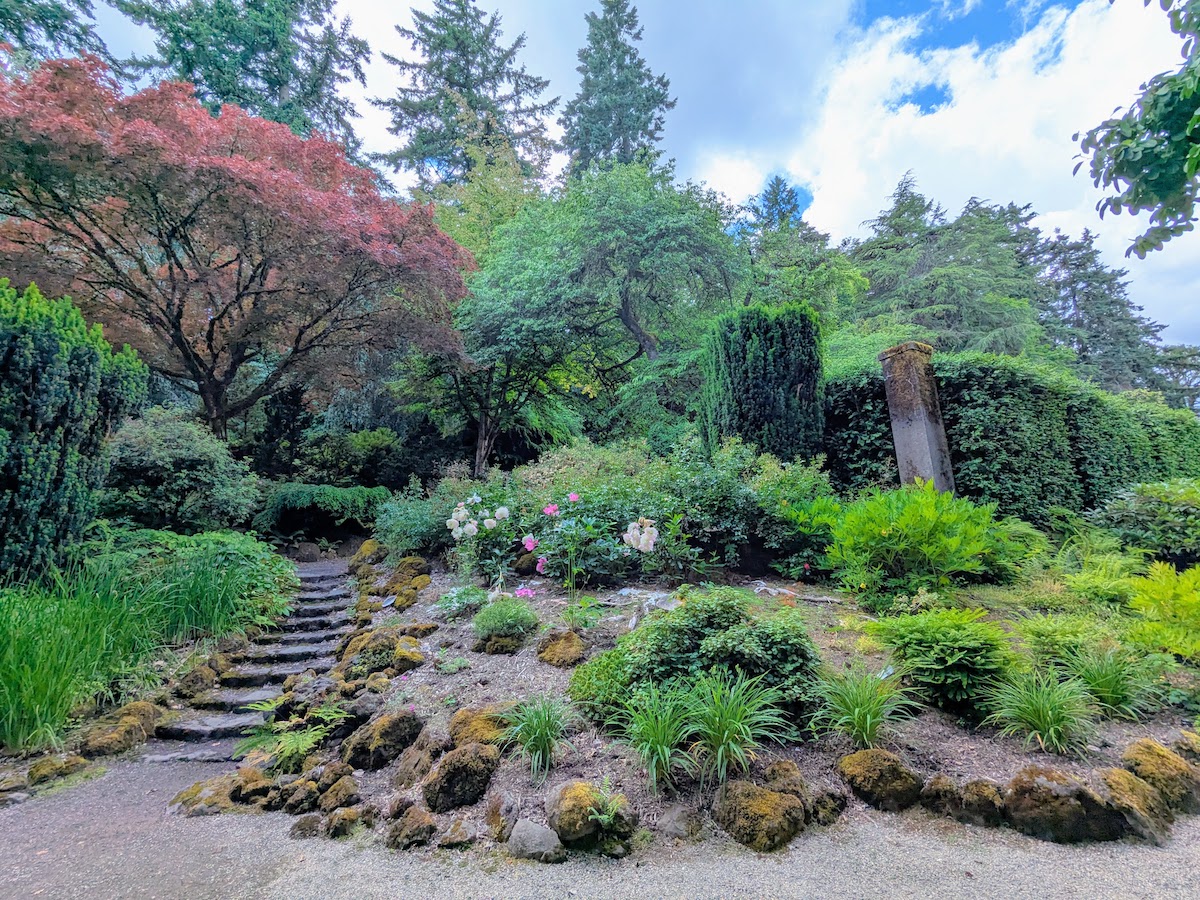
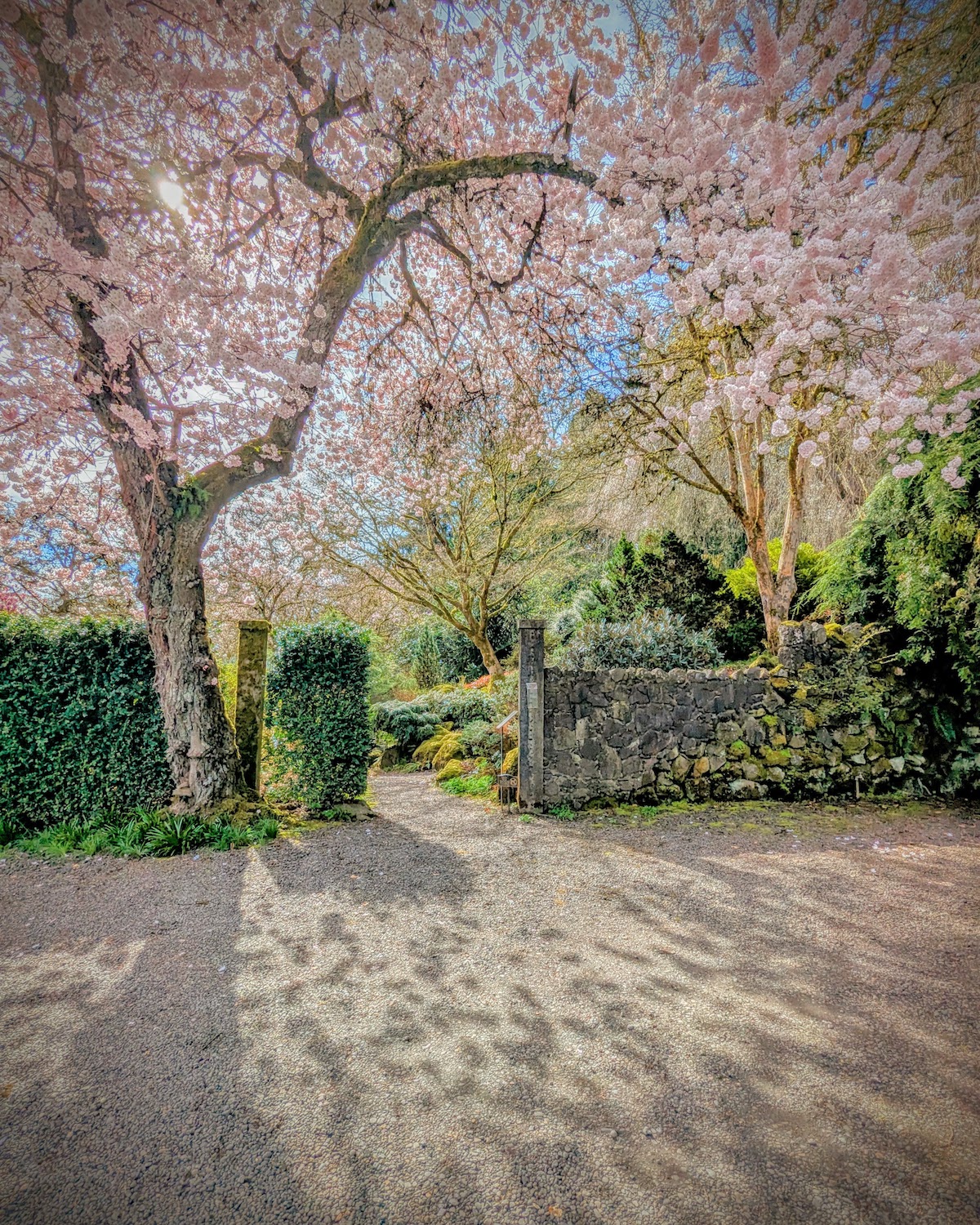
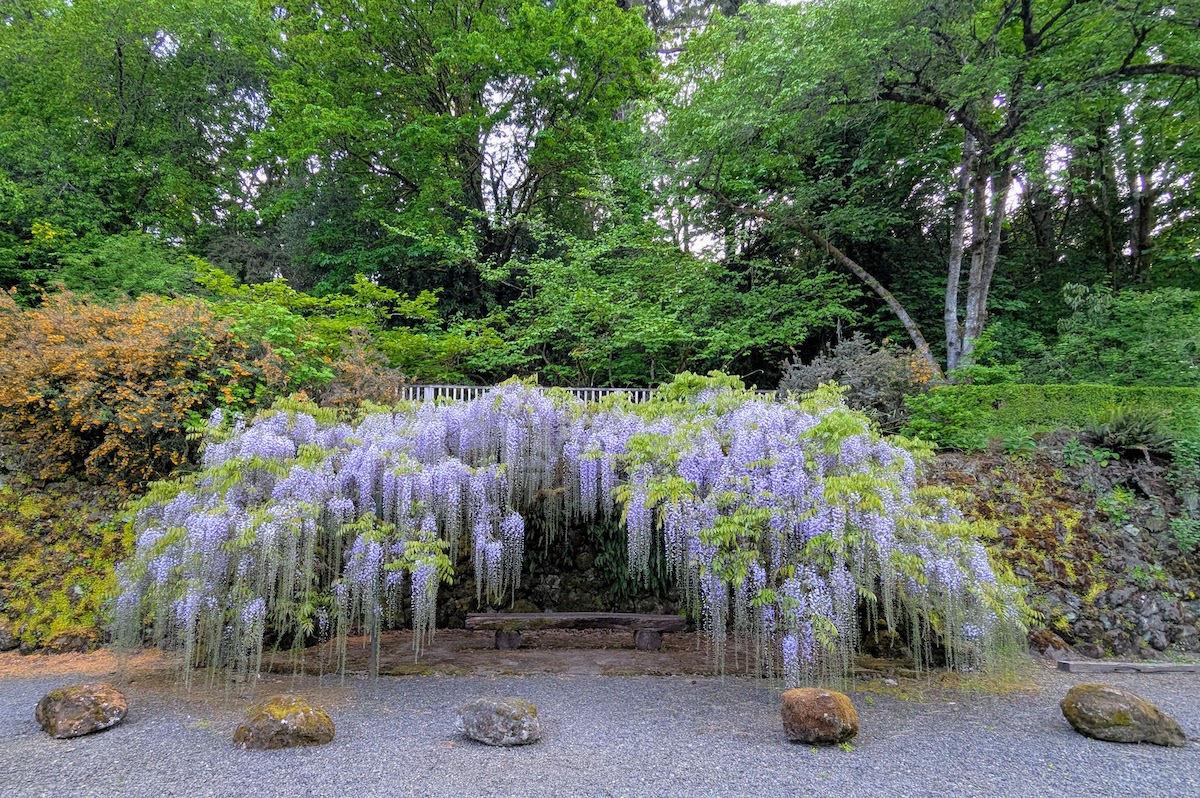
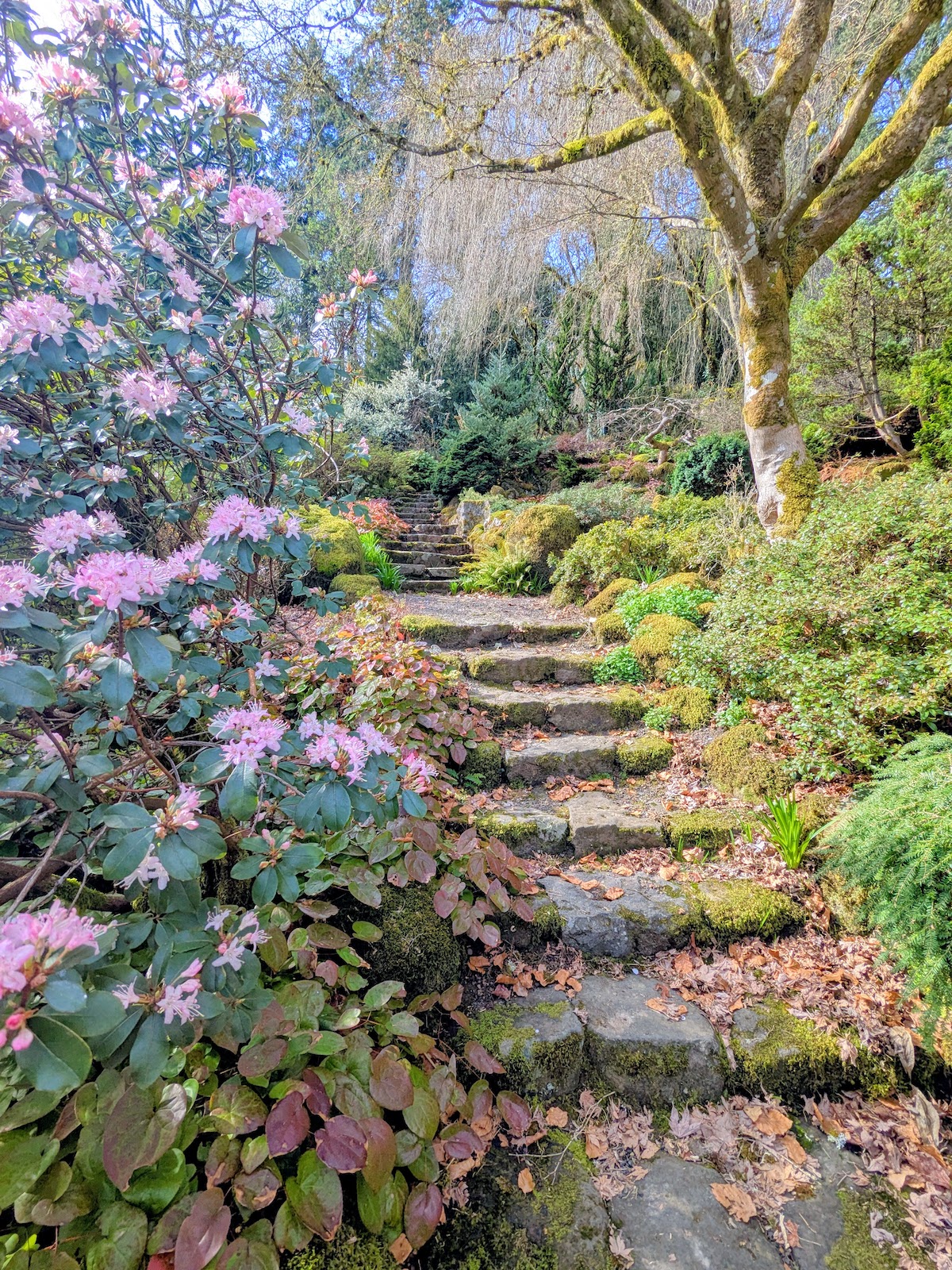
The property’s evolution continued when Kerr and his wife Laurie replaced their original terraced garden with modern amenities including a small swimming pool, a tennis court, and a garage with an apartment on the second level. Kerr also enlisted the help of Adolph Meyer, a Swiss-trained landscape architect, to install the property’s dramatic basalt retaining walls, winding rock garden, and groupings of stone steps that add architectural structure to the garden’s many plantings.
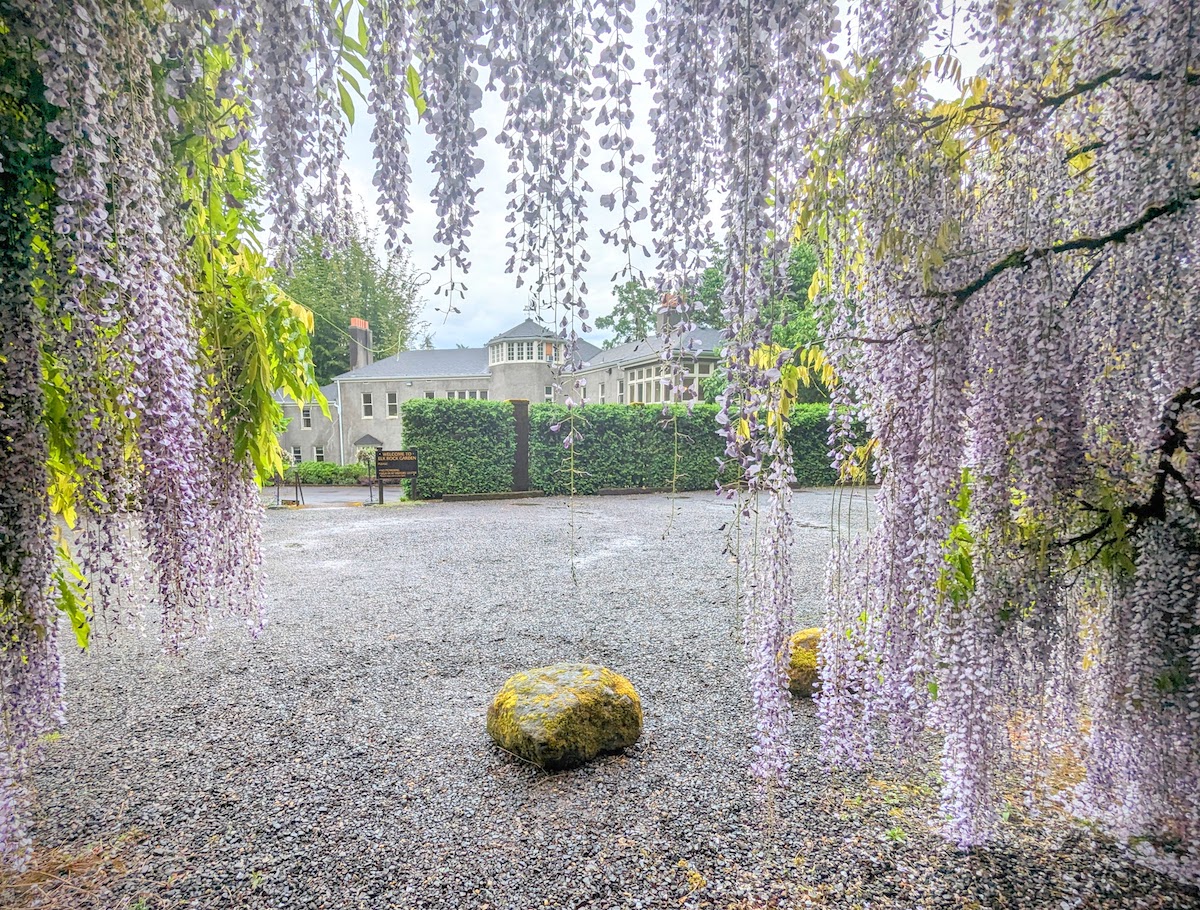
Although initially conceived as a private family space, Elk Rock Garden’s reputation spread quickly throughout the region. The garden opened to the public in 1959 when the Kerr estate was gifted to the Episcopal Diocese of Oregon and renamed Elk Rock Garden of the Bishop’s Close, following Peter Kerr’s death. A chapel was added to the property by the DIocese in the mid-1970s.
Recognizing the need for careful stewardship, the Elk Rock Garden Foundation was formed in 1994 to ensure the garden’s long-term preservation and care. When the Episcopal Diocese listed the property for sale in 2022, the Foundation stepped in to purchase it, securing both its future and continued public access.