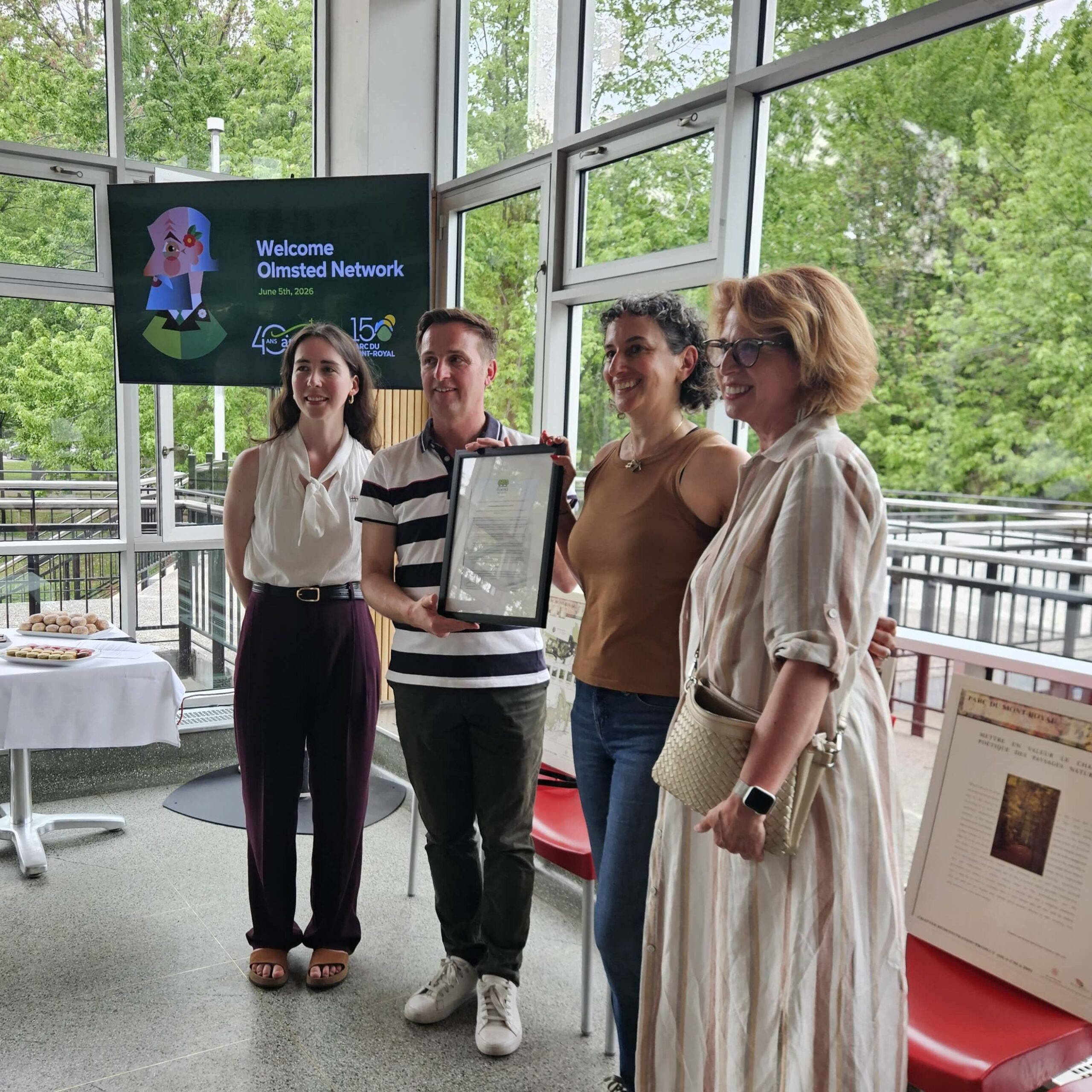

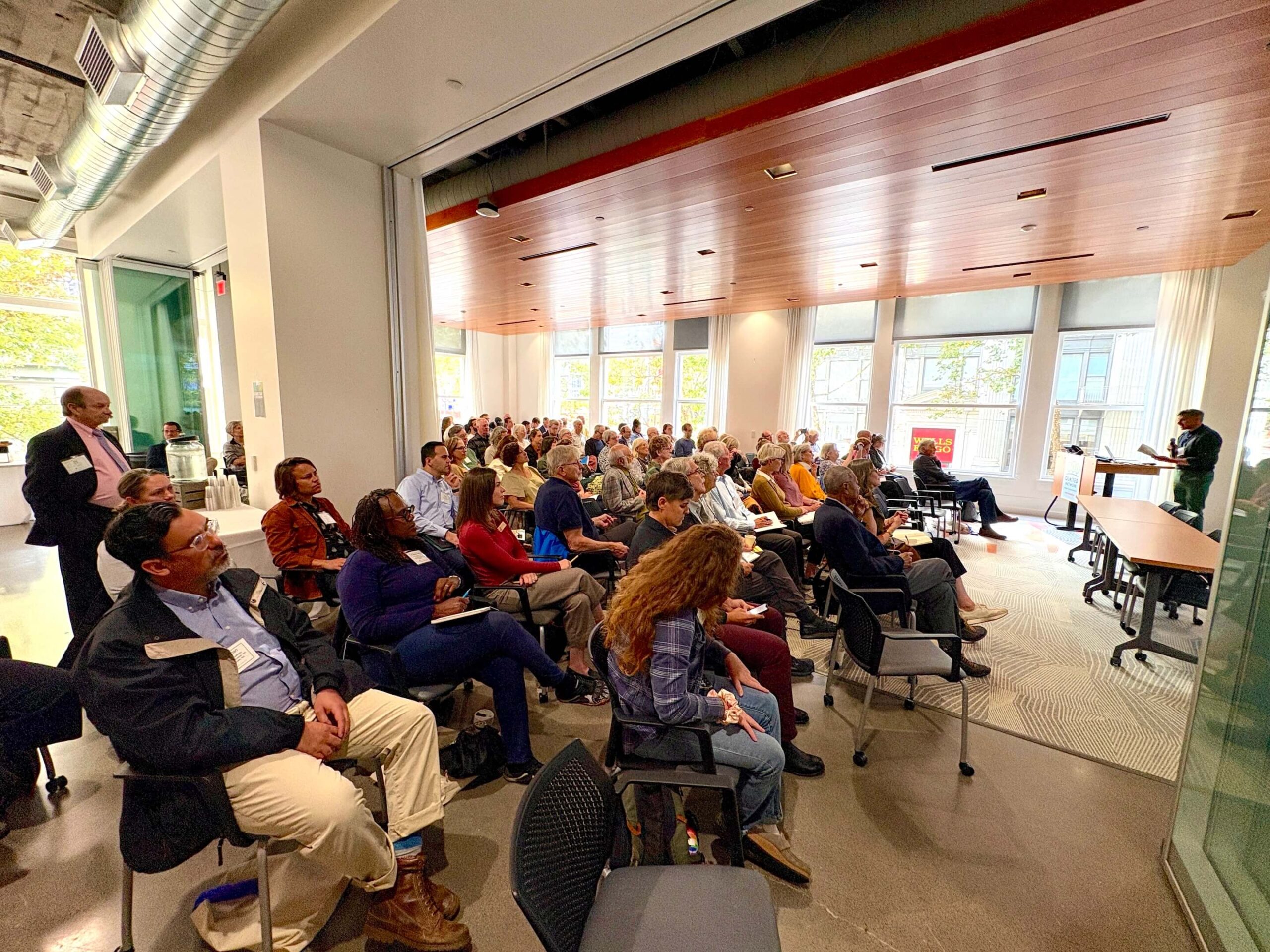
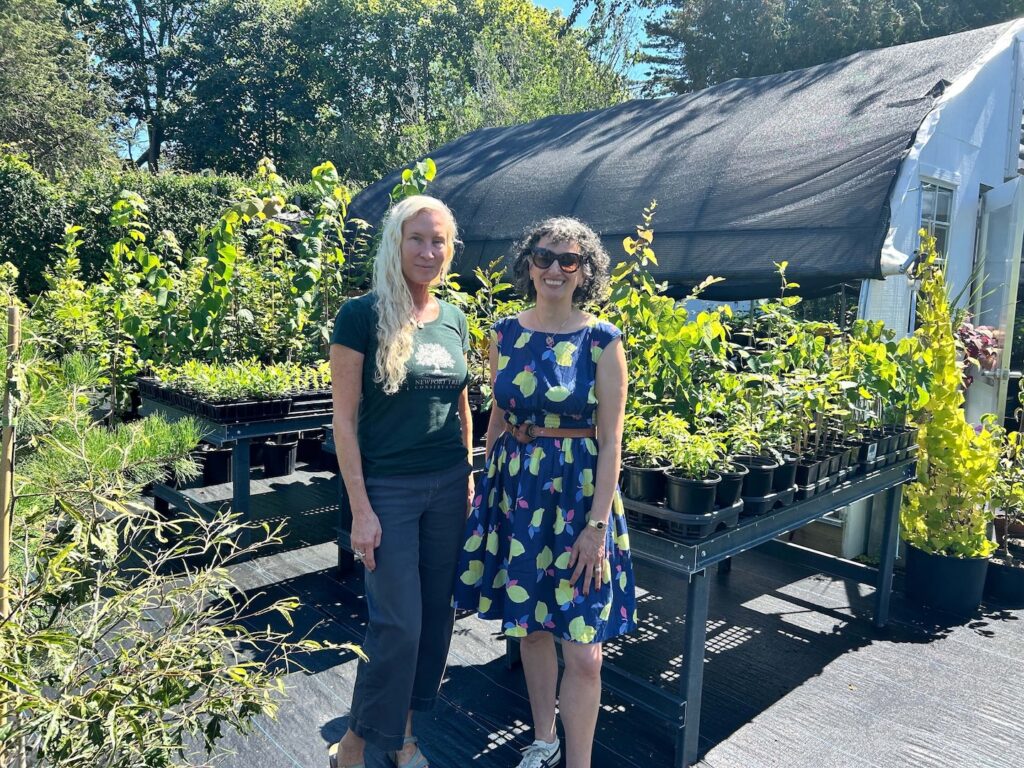
Throughout the later months of summer 2026, Olmsted Network President Sue Breitkopf, Communications Manager Declan Battles, and Partnerships Manager Madelaine Momot have been on the road engaging with partners, exploring Olmsted-designed private estates and public landscapes, and learning from experts in landscape architecture and design. From Massachusetts to California, the Olmsted Network is putting in the work to ensure Olmsted’s principles and visionary ideas continue to resonate with land stewards and design leaders.
Boston:
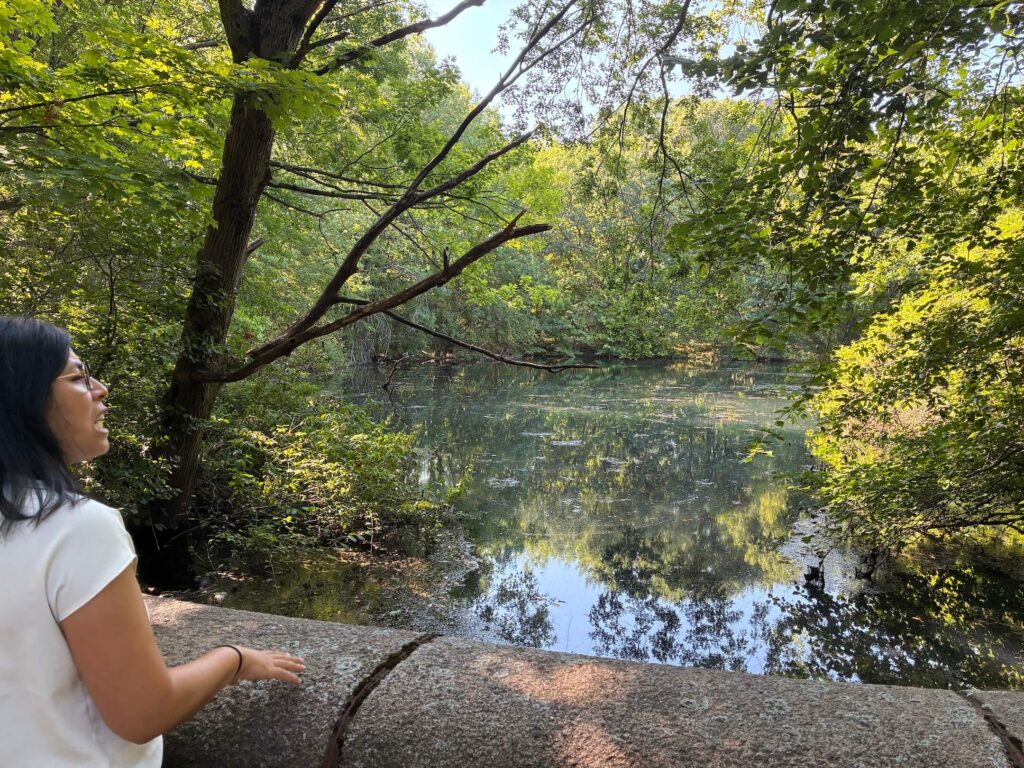
In August, Declan met with several of our Boston-area partners for stewardship updates, guided tours, and exciting previews of new projects. In Brookline’s Olmsted Park, he met with Milee Pradhan, Brookline’s Director of Parks and Open Space. On a walk through the park—the midpoint of the Emerald Necklace—they looked at areas of Willow Pond and Leverett Pond that were about to undergo essential dredging and bank restoration projects. They also discussed invasive plant management, tree preservation, and efforts to activate friends groups and volunteers to assist with park maintenance.
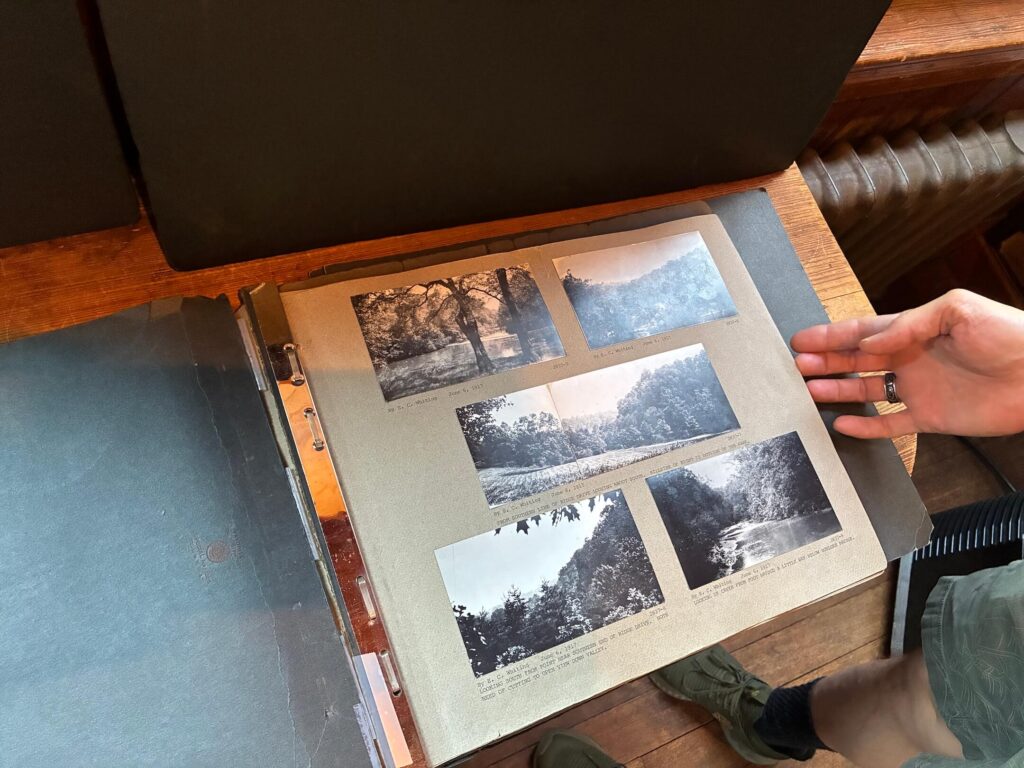
From there, Declan traveled to Frederick Law Olmsted National Historic Site for a tour of the property and the expansive Olmsted Archives. Superintendent Jason Newman and Supervisory Park Ranger Gabby Hornbek De Bakker said hello, while Archivist Anthony Reed led the tour and explained the process of scanning and digitizing the firm’s expansive collection.
Declan also paid a visit to partners at the Esplanade Association, who gave a presentation on an exciting new project—the Smith Family Pavilion and Charlesbank Campus. Director of Projects & Planning Ali Badrigian, Projects & ADA Accessibility Coordinator Brenda Hernandez, Senior Manager of Programs & Partnerships Samuel Englert, and Director of Visitor Services Kiersten Dittrich showed off 3D walkthroughs, models, and renderings of the new pavilion, which is slated to open later this year.
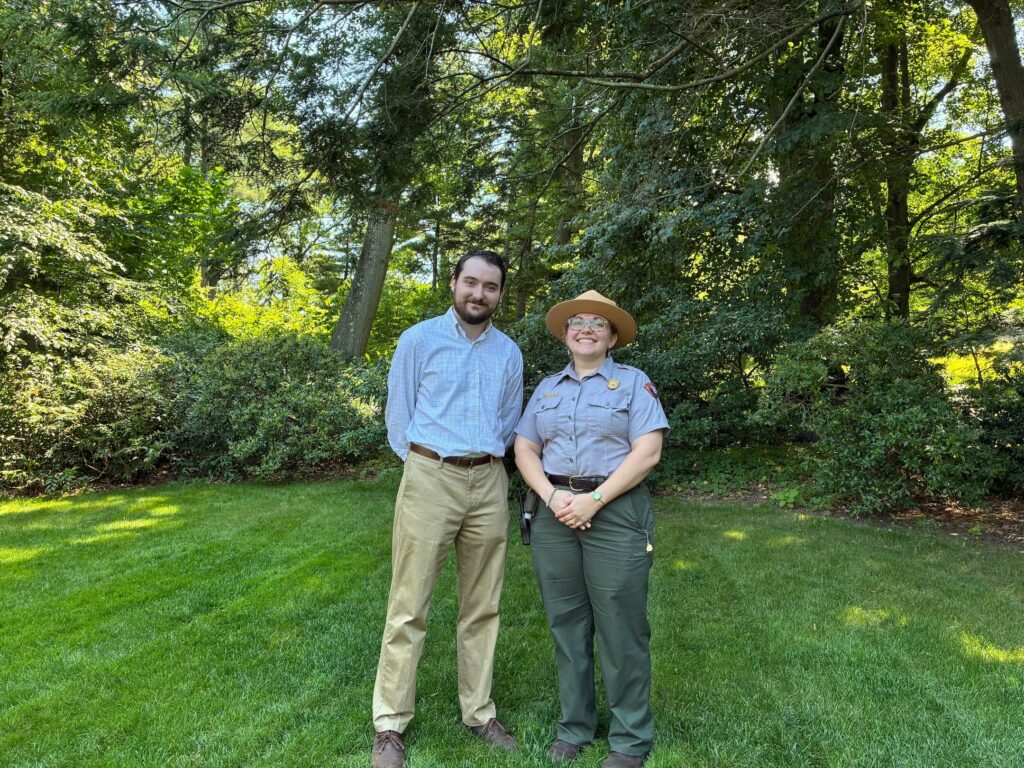
Declan with Gabby Hornbeck de Bakker, Supervisory Park Ranger at FLO National Historic Site. 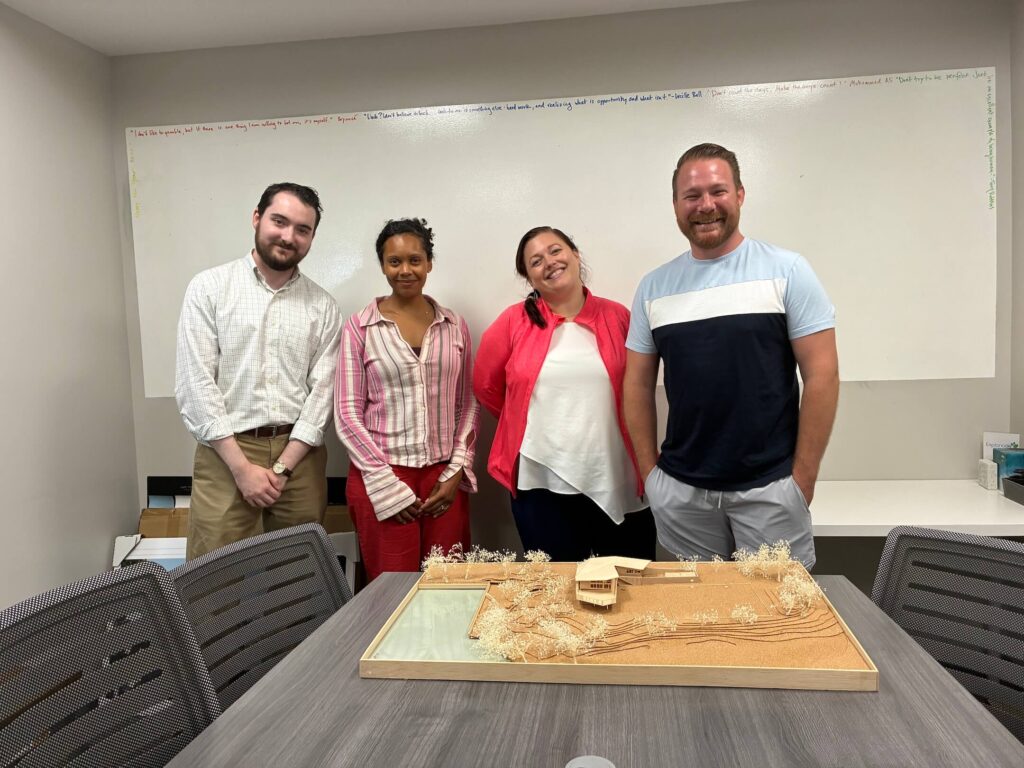
Declan with members of the Esplanade Association (L-R: Ali Badrigian, Kiersten Dittrich, and Samuel Englert). 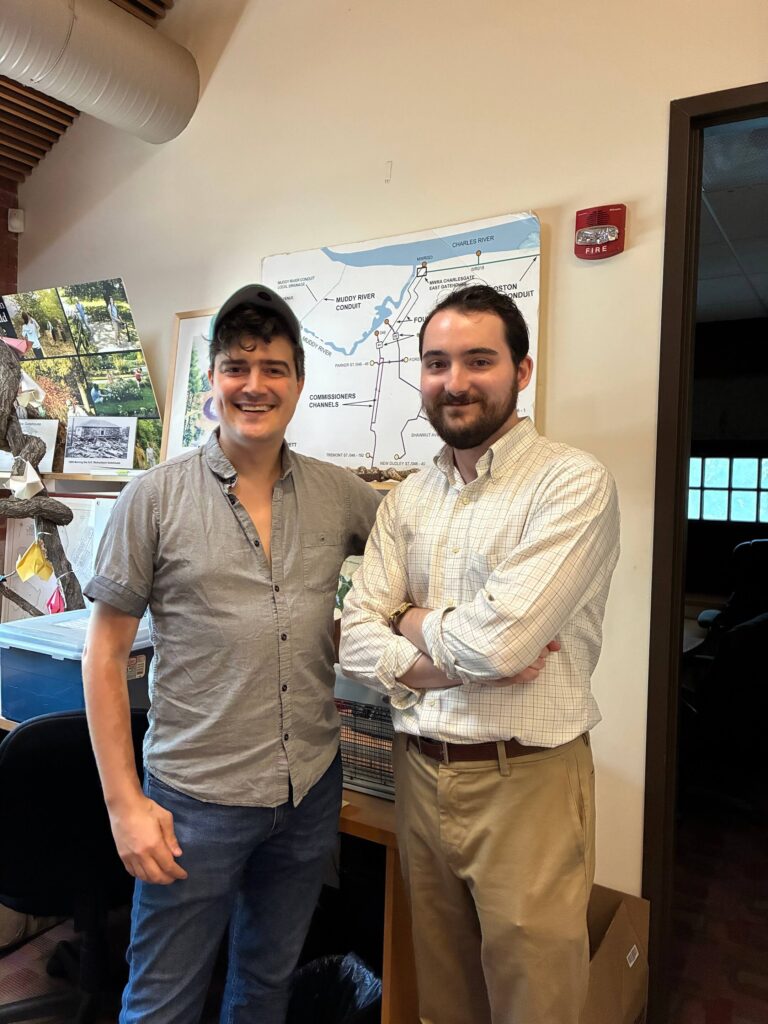
Declan with Evan Bradley, Marketing and Communications Manager at the Emerald Necklace Conservancy.
During construction, elements from Olmsted’s original 1892 Charlesbank plan were unearthed—including a long-buried stone seawall, the stones from which will be repurposed in the new design. The design of the pavilion itself is also influenced by existing structures from the Charlesbank plan. When completed, the site will serve as a new year–round, universally accessible space for the Esplanade that helps to ground it more broadly among the city’s Olmsted landscapes.
Declan concluded his Boston trip with a visit to his Olmsted alma mater—the Emerald Necklace Conservancy, where he previously worked for five years. At the Shattuck Visitor Center in the Back Bay Fens, he met with Marketing & Communications Manager Evan Bradley and got a sneak preview of the Conservancy’s new rebranded website, full of new tools for exploration and education in Boston’s largest park system.
Newport:
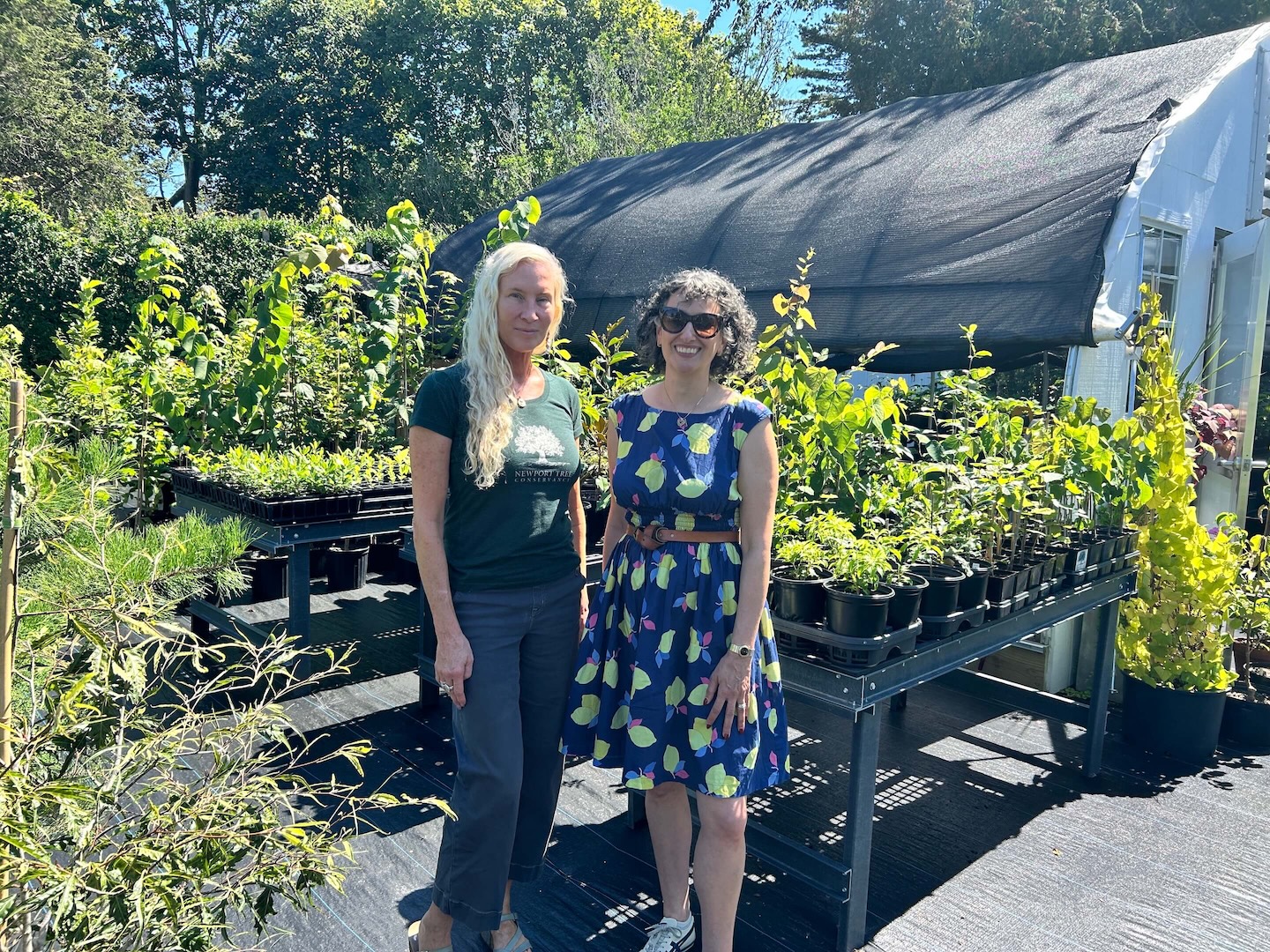
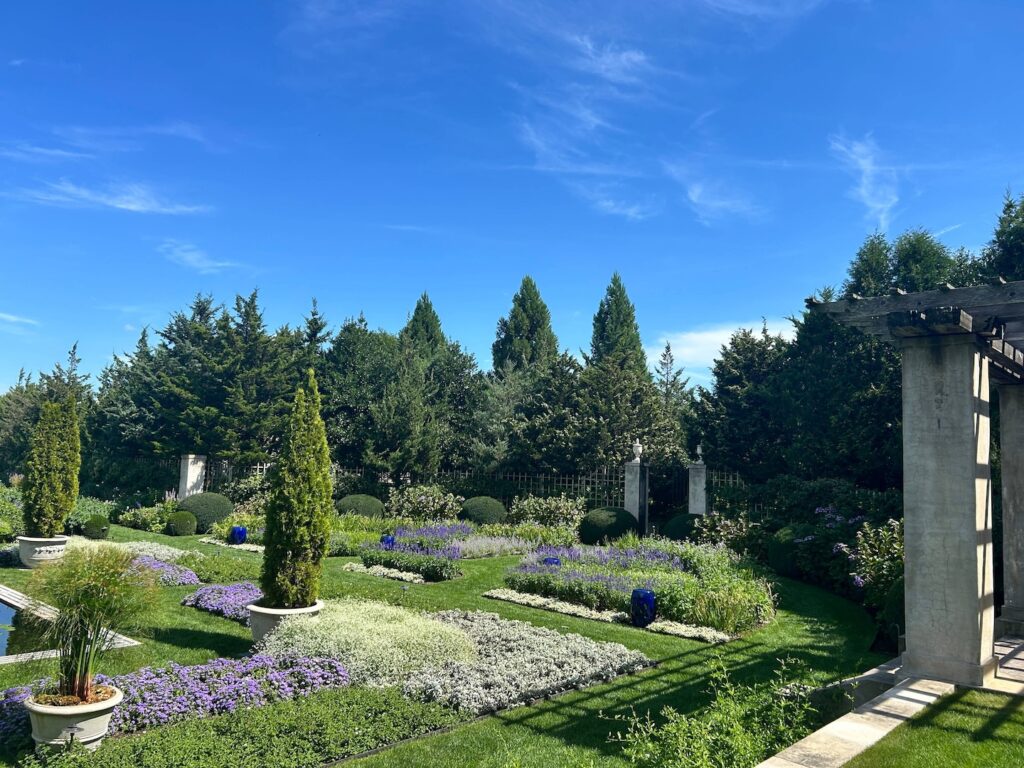
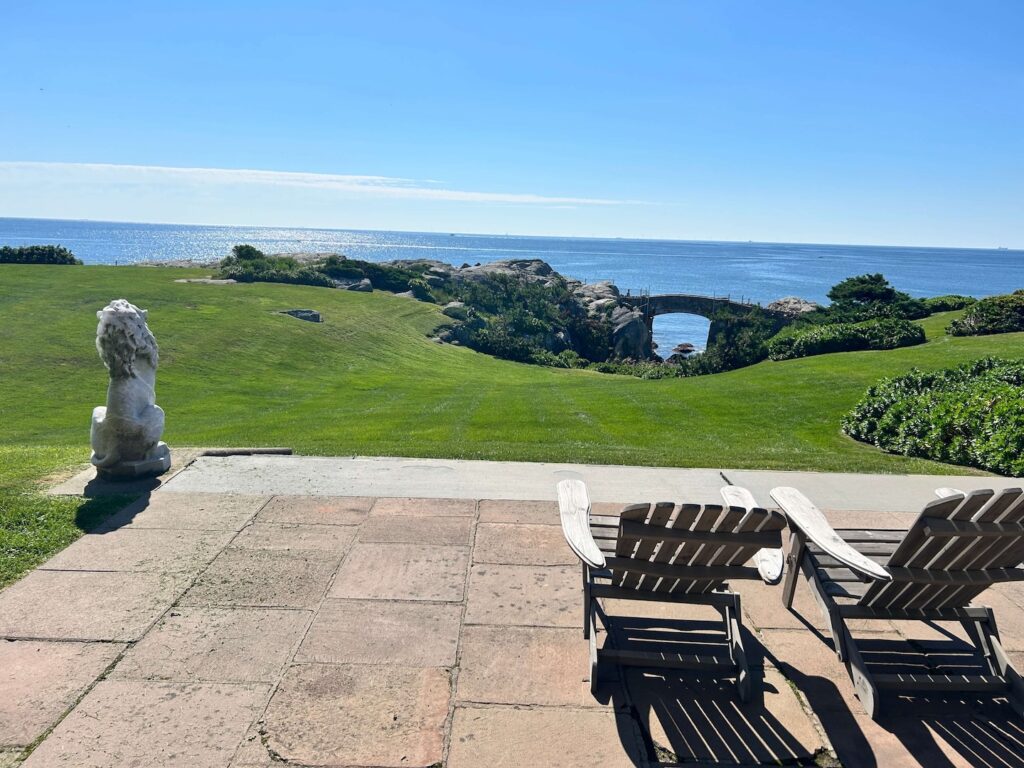
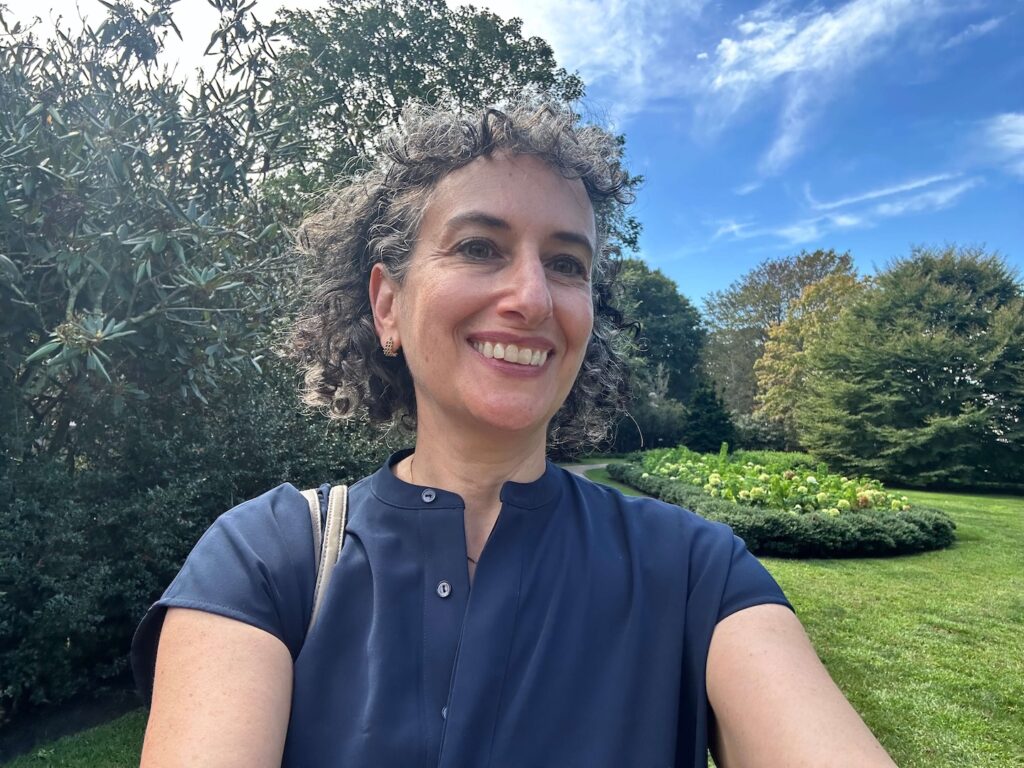
In September, Sue traveled to Newport, RI, to meet with partners, engage potential funders, and visit several Olmsted-designed private residences. From FLO Jr.-designed estates like The Blue Garden to Olmsted Sr. projects like Rough Point, she got to explore some of the most dramatic and elegant landscapes in the firm’s history while making valuable connections with existing and potential partner organizations.
Los Angeles:
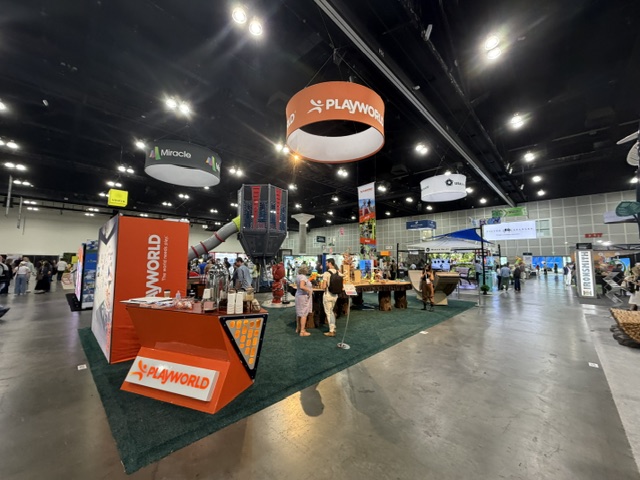
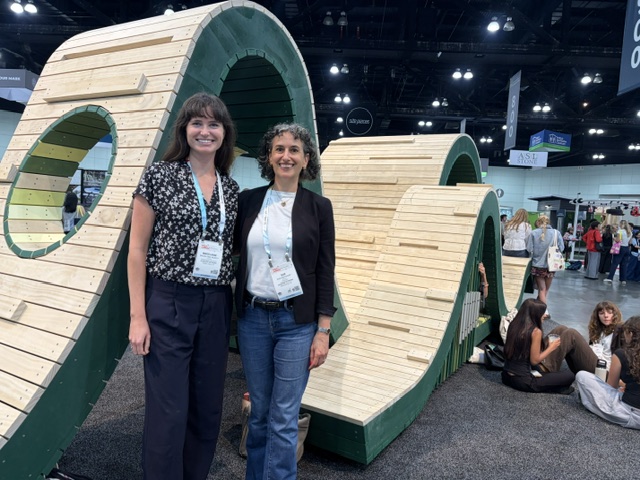
Capping off summer travels ahead of the Olmsted Network’s annual conference, Sue and Madelaine ventured to LA to take part in the American Society of Landscape Architects’ 2026 Conference. Throughout the event—the largest gathering of landscape architects and design professionals in the world—they strengthened bonds with familiar faces, engaged with new voices in landscape design, and came away with fresh perspectives on effective stewardship. Madelaine attended sessions on protecting Section 106, designing evolving landscapes, and Historic American Landscapes Survey (HALS) 2026 Documented Landscapes. She and Sue also met with Christie O’Hara, lecturer at Cal Poly, to learn more about her research on Olmsted in California.
Why it Matters:
Engaging with our partners—and connecting them with resources to better serve their landscapes—is what the Olmsted Network is all about. At a time when so many organizations have to do more with less, we are continually awed by the strides our driven partners make in caring for their communities’ historic spaces. The work of the Olmsted firm spanned thousands of public parks, campuses, residences, and beyond, and countless lives are impacted by those spaces each day. If we can connect and empower today’s advocates, these landscapes can continue to inspire people for years to come.