

In celebration of the 200th birthday of Frederic Church (1826–1900), the foremost American landscape artist of the 19th century, our partners at The Olana Partnership are wrapping up a yearlong initiative featuring exhibitions, publications, and programs that highlight Church’s creativity, audacity, spirit of adventure, and enduring impact.
Church—a contemporary of Frederick Law Olmsted—astonished audiences with his vast, immersive paintings. Inspired by scientific discovery and a desire to experience the world firsthand, he traveled widely, sketching volcanoes in South America, icebergs in the North Atlantic, ancient landscapes in the Middle East, and tropical atmospheres across the Caribbean and Mexico.
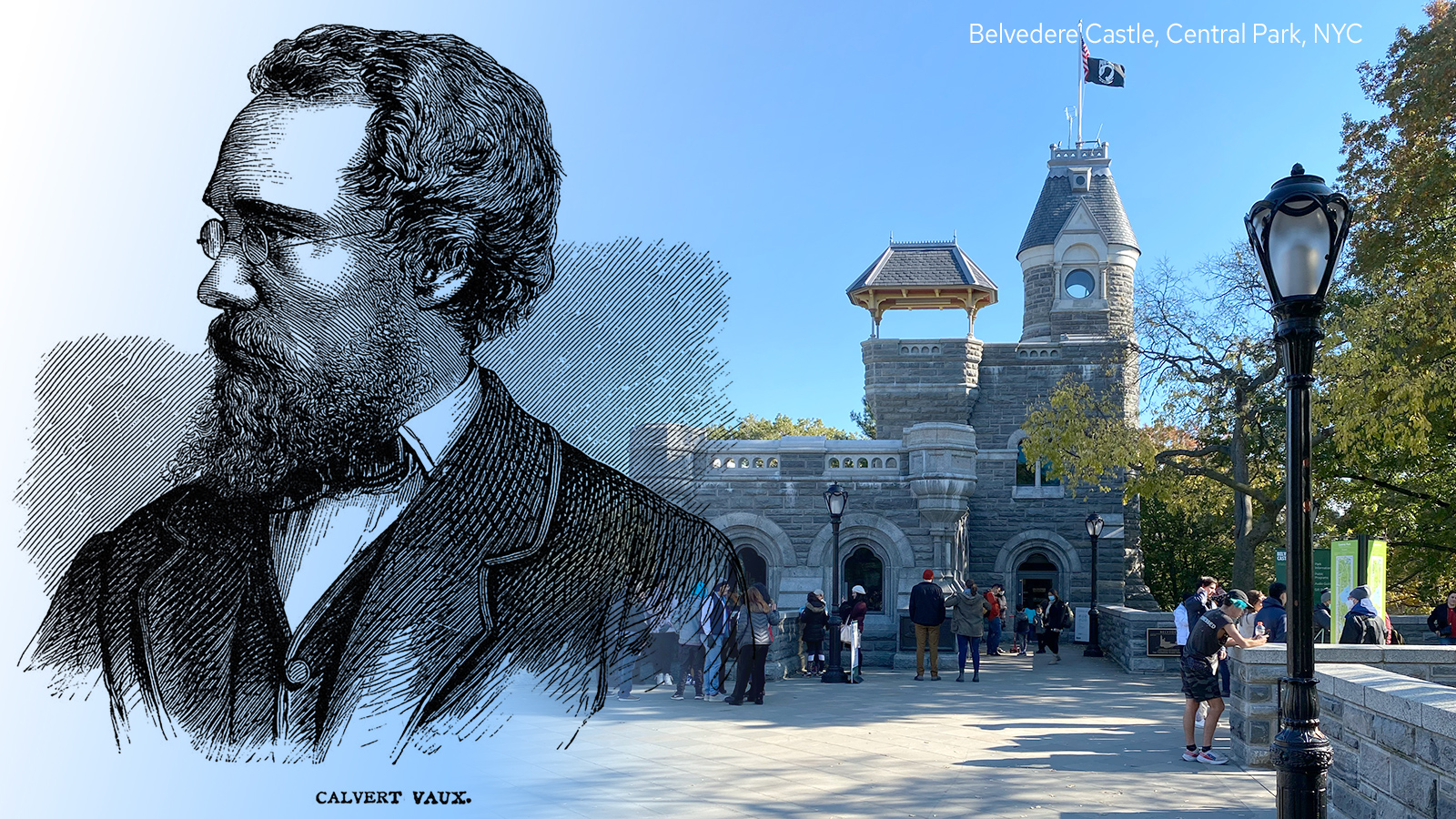
These travels would have a profound influence on his art, both on the canvas and beyond. For 40 years, Church toiled to build Olana, his 250-acre estate overlooking the Hudson River. There he created a one-of-a-kind environment, blending art, architecture, and nature which survives today as the most intact artist’s environment in the United States. Over the course of Olana’s development, Church acted as architect, landscape architect, and interior designer, consulting the greatest minds in design of his day—including frequent Olmsted collaborator Calvert Vaux and Biltmore architect Richard Morris Hunt, both of whom contributed to the estate’s hilltop villa. Hunt also had a role in shaping his architectural development—ahead of Church’s 1867-69 travels in Europe and the Middle East, he studied architectural draftsmanship in Hunt’s office.
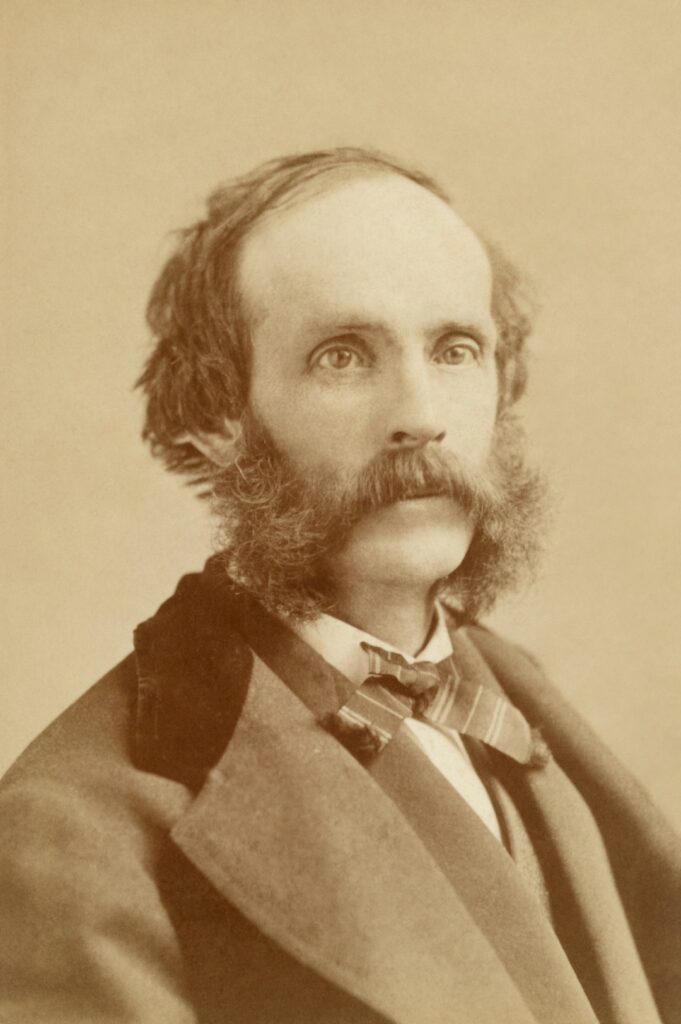
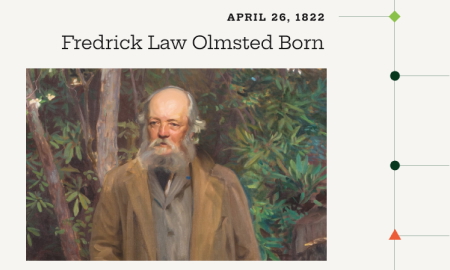
Beyond Olana, he played a vital role in shaping cultural life as a founding trustee of The Metropolitan Museum of Art, a commissioner for Central Park, and—like Olmsted—as an early advocate for preserving Niagara Falls. Distantly related by blood, the two men shared similar views on the role of landscapes as works of art, and each would have a profound influence on their respective fields.
“His art and public service reveal a deep engagement with the issues and ideals of his time. As the United States marks its 250th anniversary, Church stands out as a powerful model of American creativity, environmental awareness, and global connection,” said Sean Sawyer, Washburn & Susan Oberwager President at The Olana Partnership. “Frederic Church 200 allows us to honor not only his breathtaking artistic achievements but also the expansive vision and civic spirit that continue to inspire audiences across the nation and around the world.”
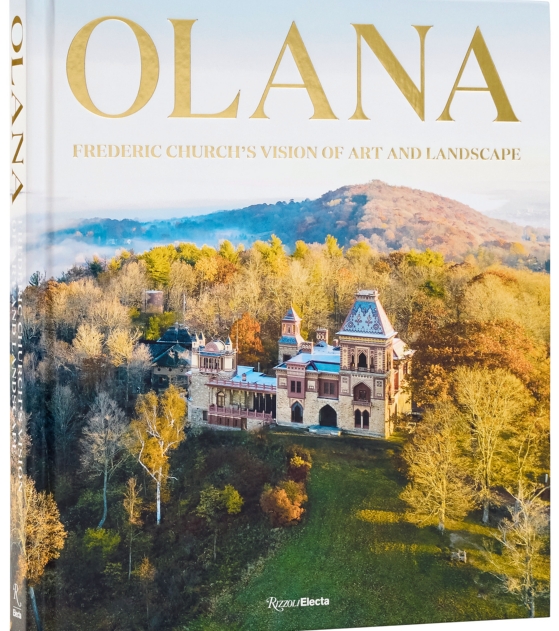
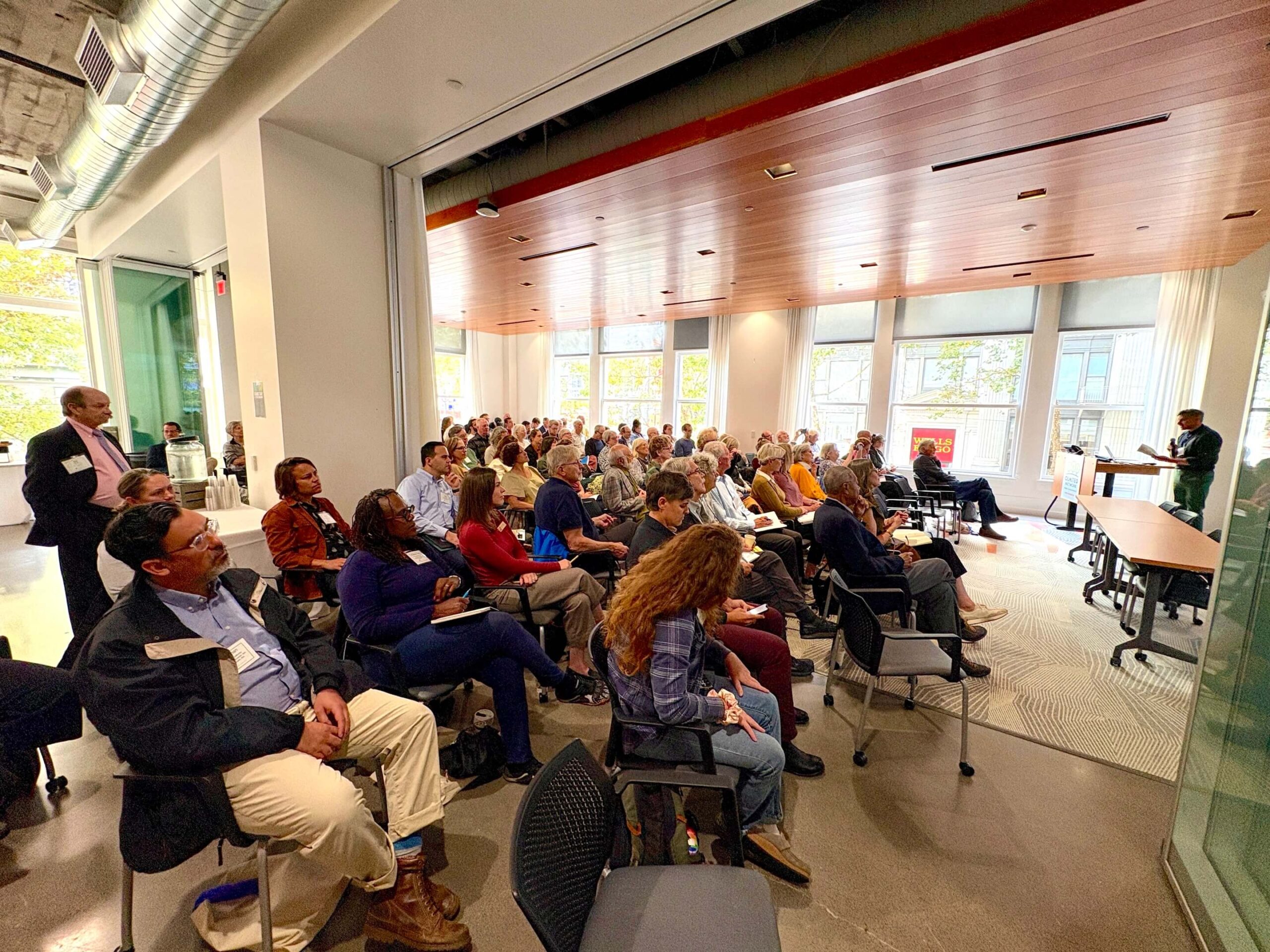
Throughout the year, Frederic Church 200 has invited audiences nationwide to rediscover the artist’s legacy through a wide range of exhibitions, programs, and publications at institutions around the world—including a webinar hosted by the Olmsted Network. The webinar coincided with a new book published in September. Olana: Frederic Church’s Vision of Architecture and Landscape explores Church’s project of transforming 250 acres of farmland into a masterpiece of design. The book also explores The Olana Partnership’s efforts to revive Church’s living landscape: highlighting the replanting of birches, hickories, and other native species that have restored the rich woodlands that frame the landscape.
200 years on, Frederic Church remains one of the country’s most essential artists, standing apart from his contemporaries by looking beyond European models to seek inspiration in contemporary scientific and environmental thinking. As bicentennial celebrations proceed through the end of the year, The Olana Partnership will continue to restore and enhance his estate, elevate its significance, and welcome diverse, contemporary audiences for learning and enjoyment.