

About Chickasaw Park
Chickasaw Park, designed in 1923 by the Olmsted Brothers firm, is believed to be the only municipal park created by the Olmsted firm specifically to serve Black residents during segregation. The park is part of Louisville’s historic park system, which grew out of early plans by Frederick Law Olmsted and continued through his successors.
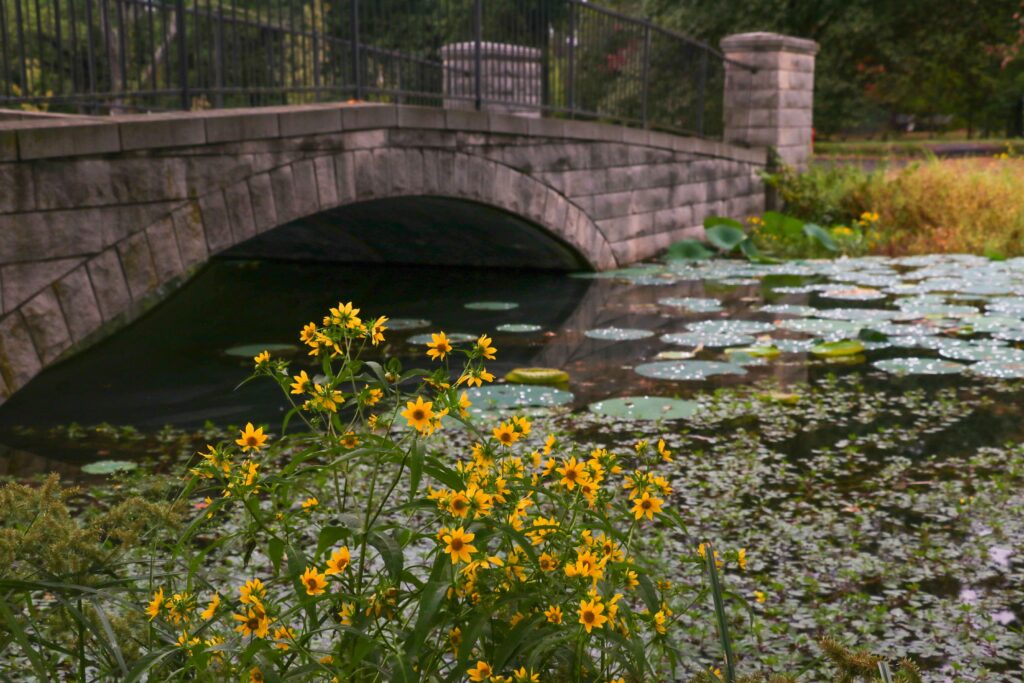
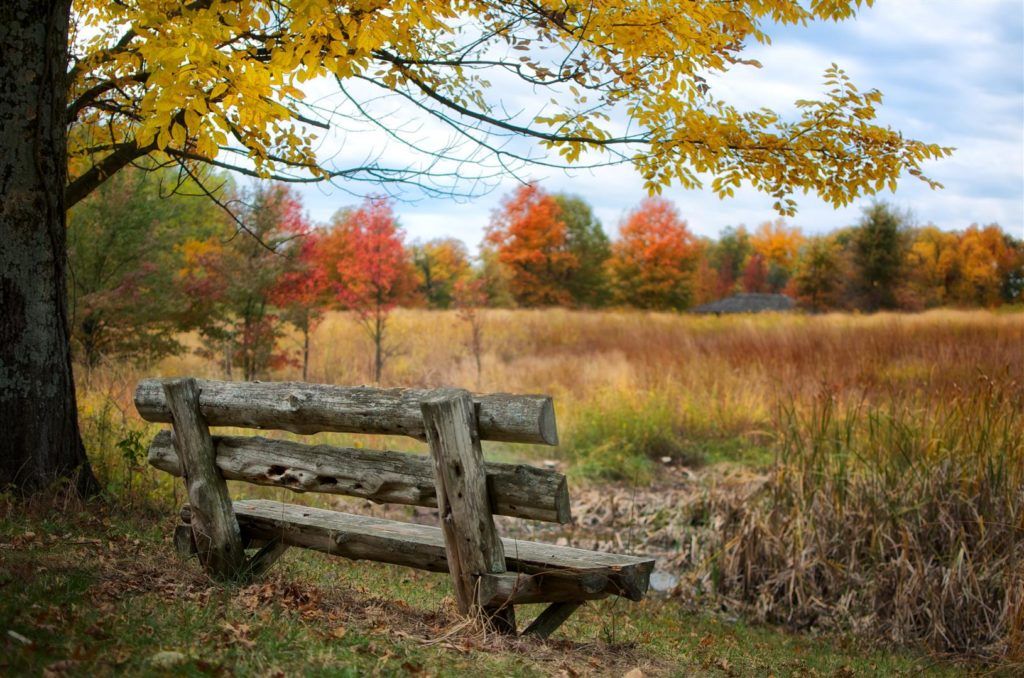
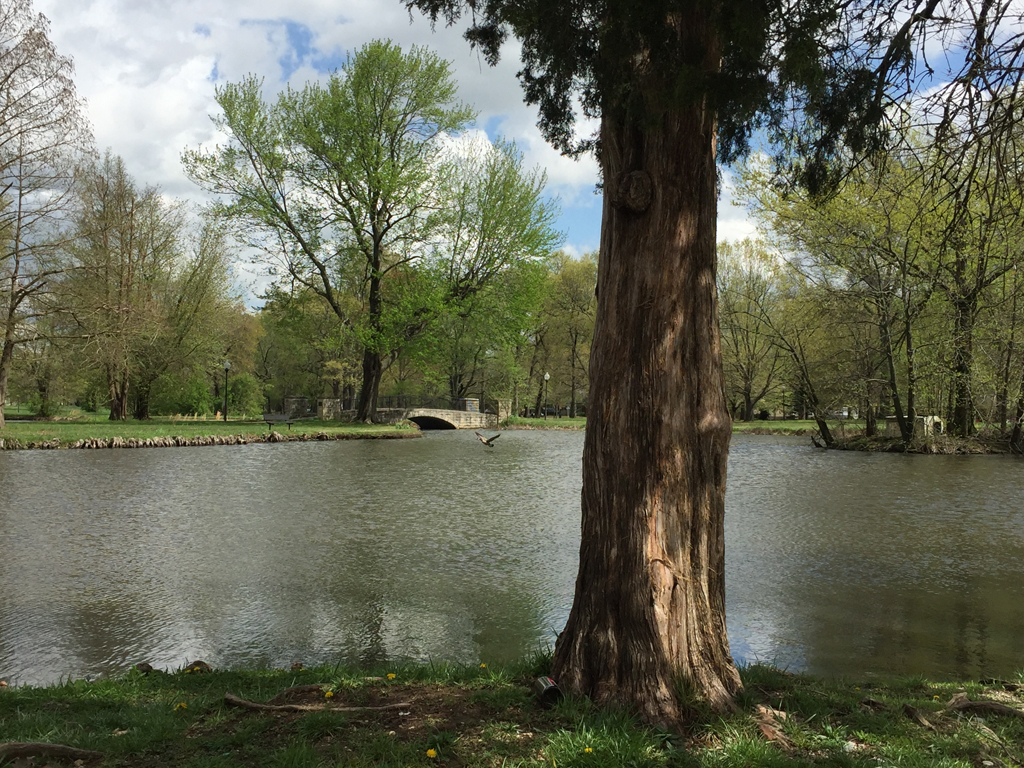
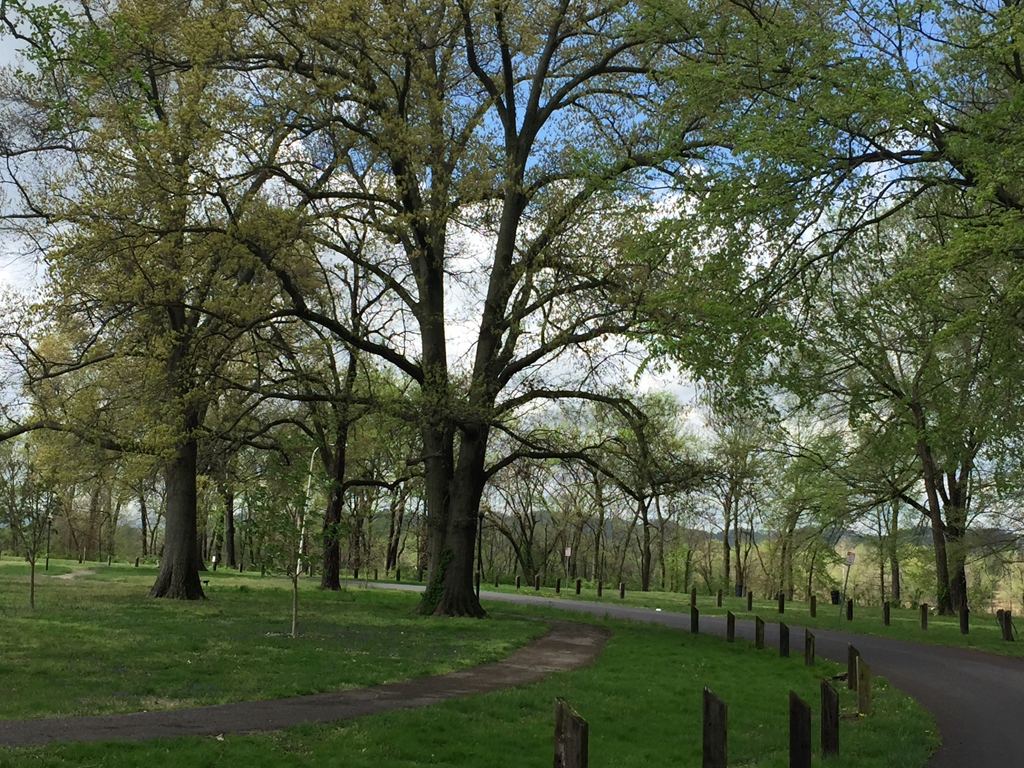
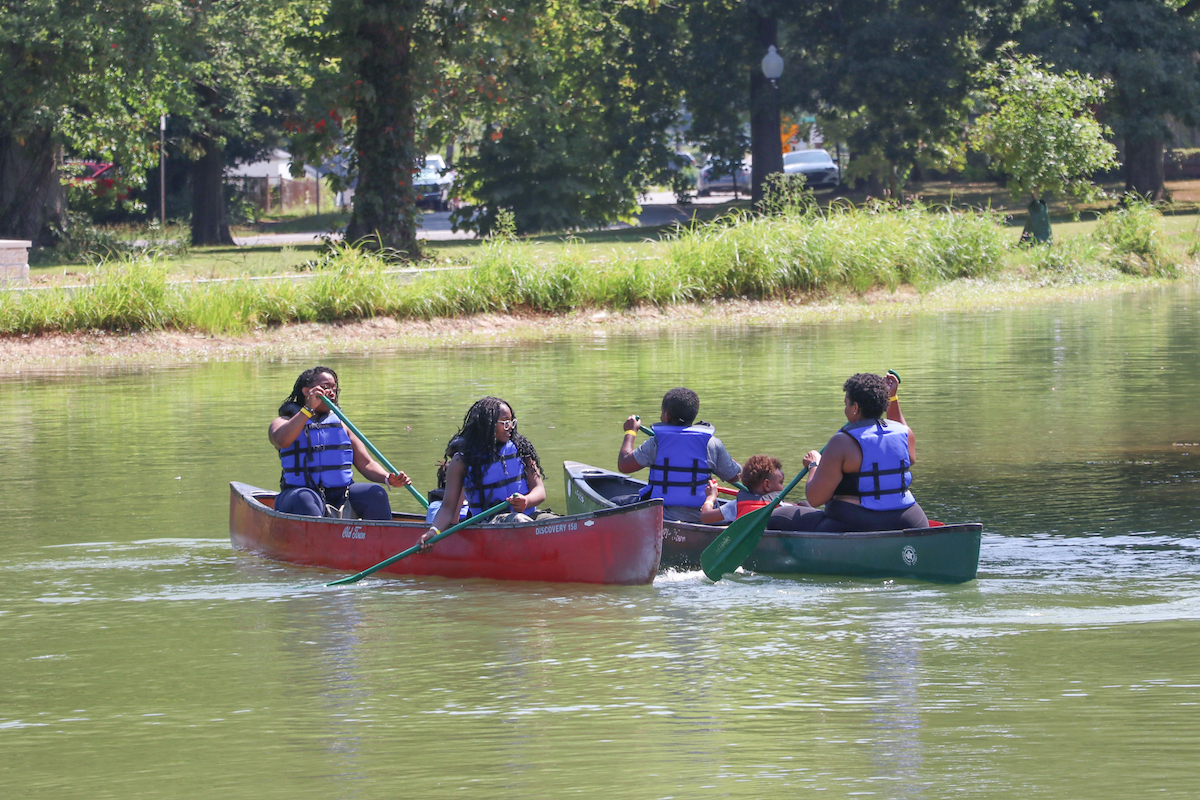
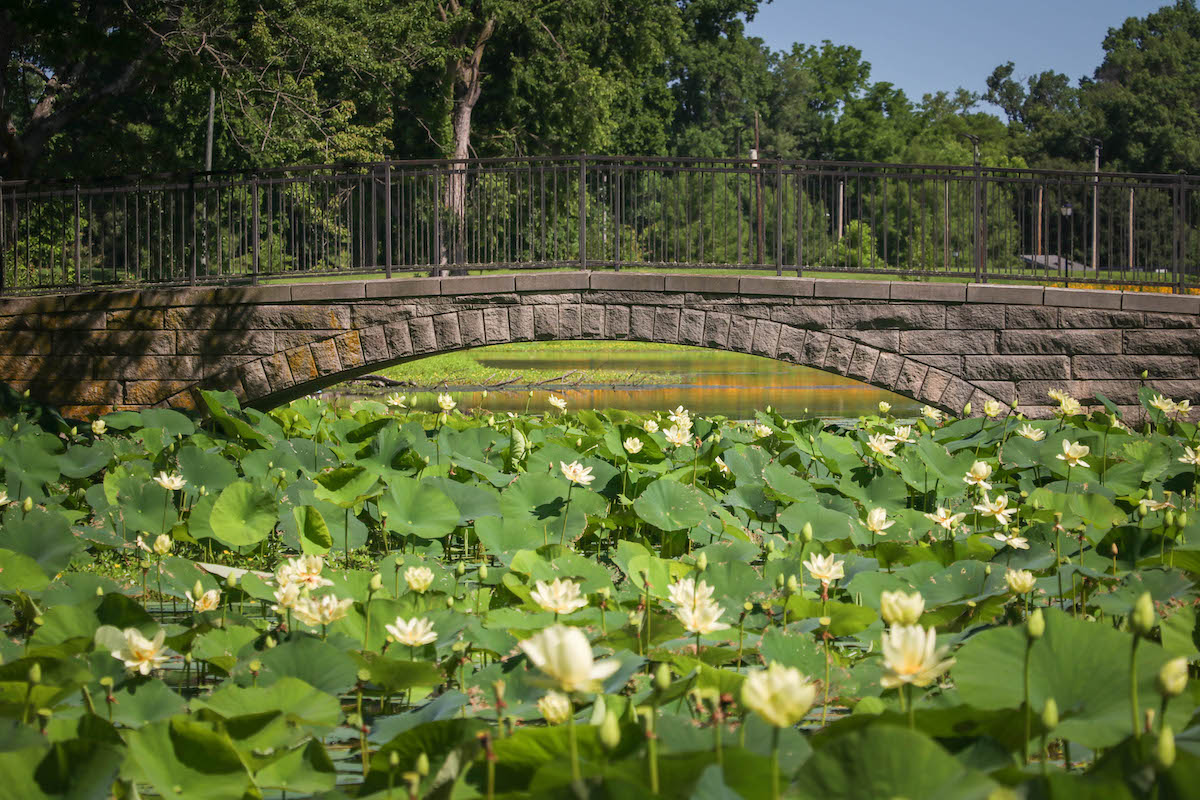
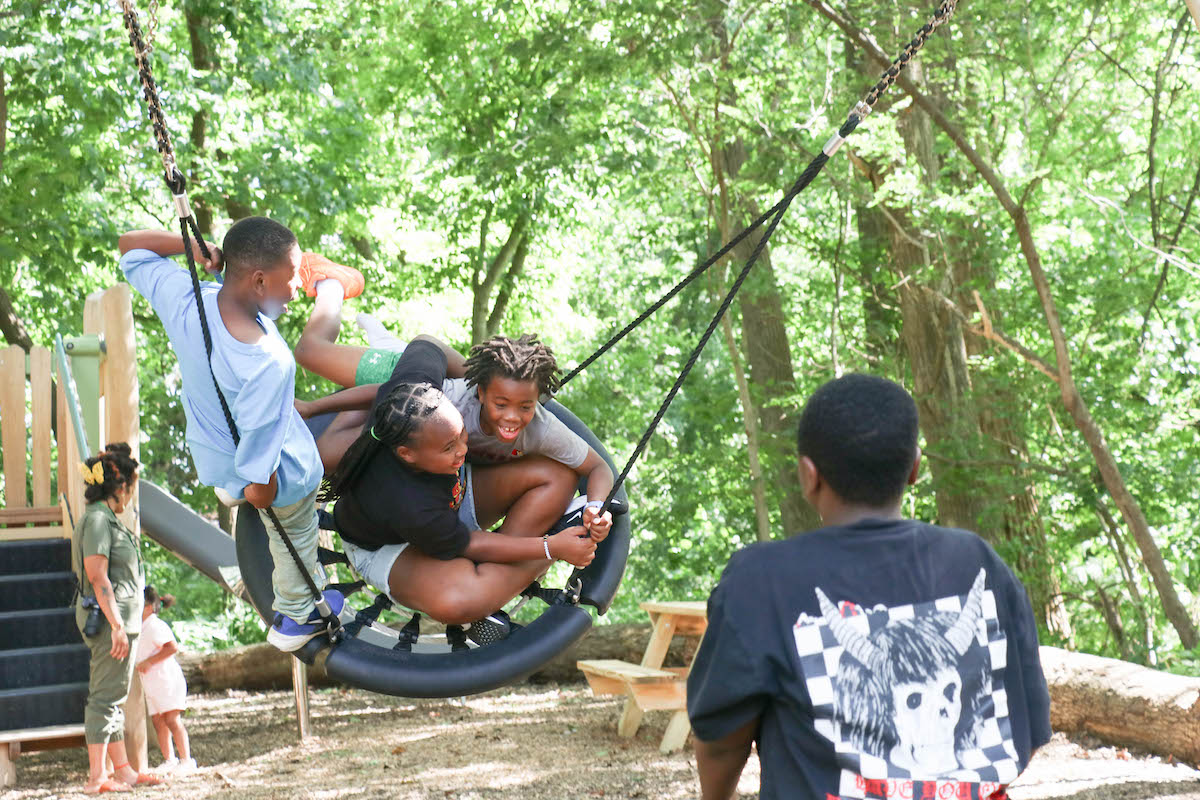
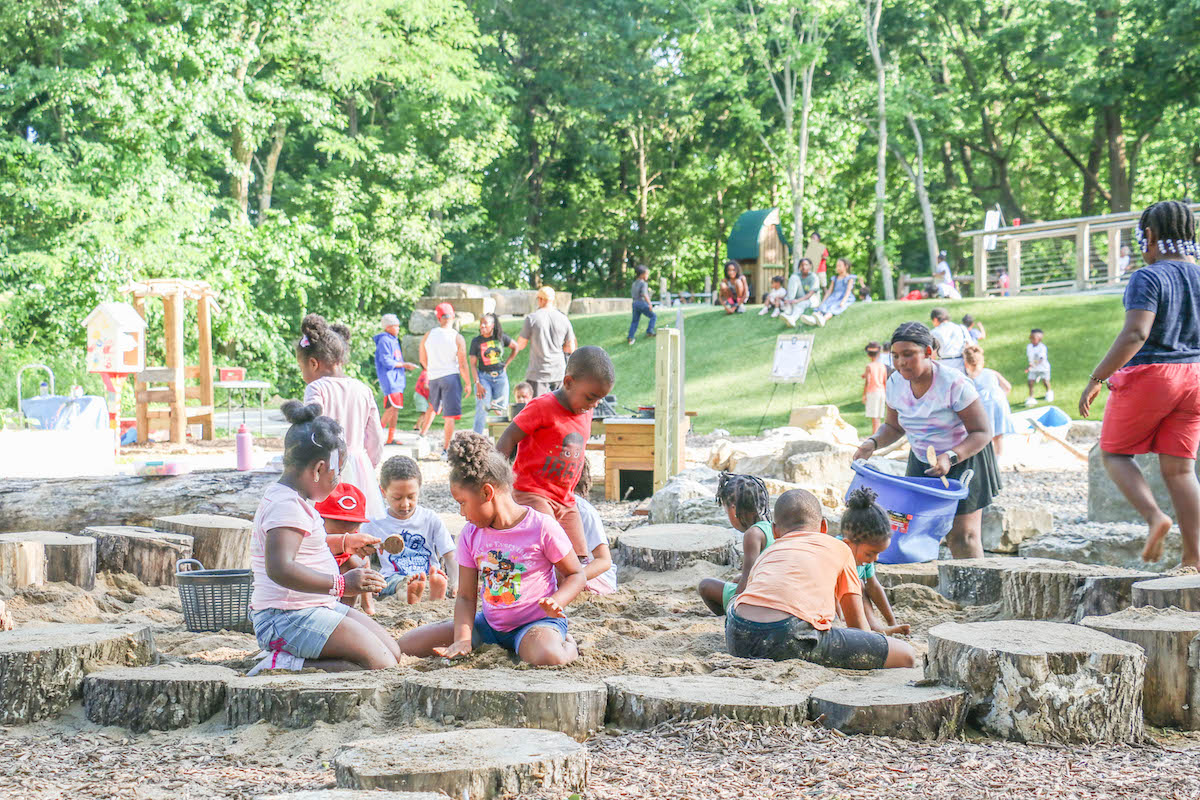
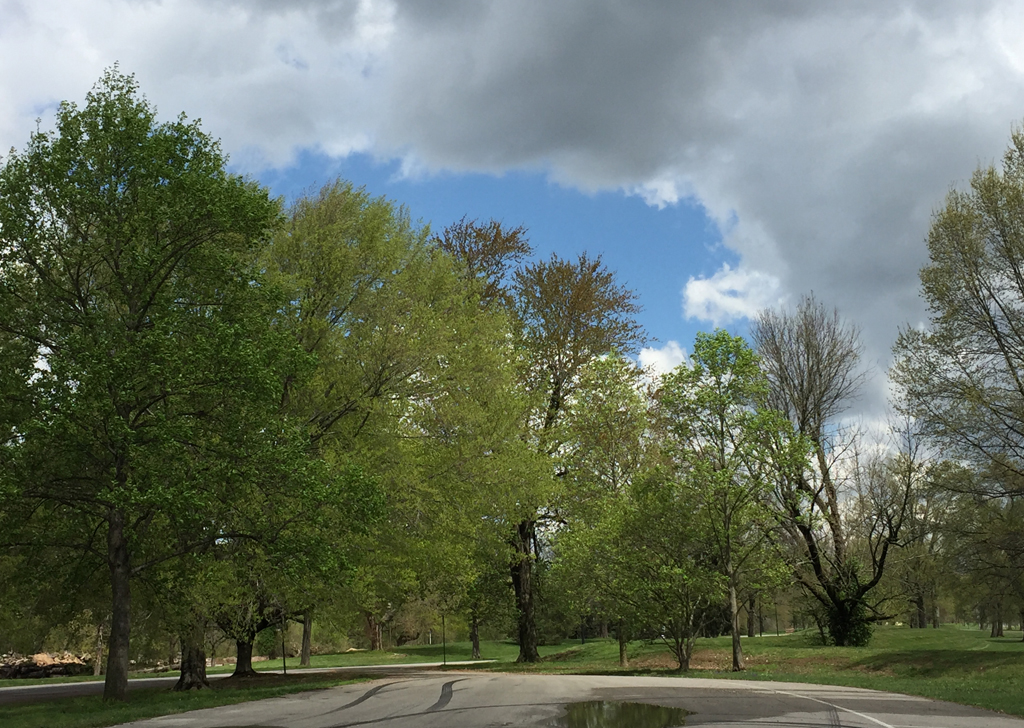
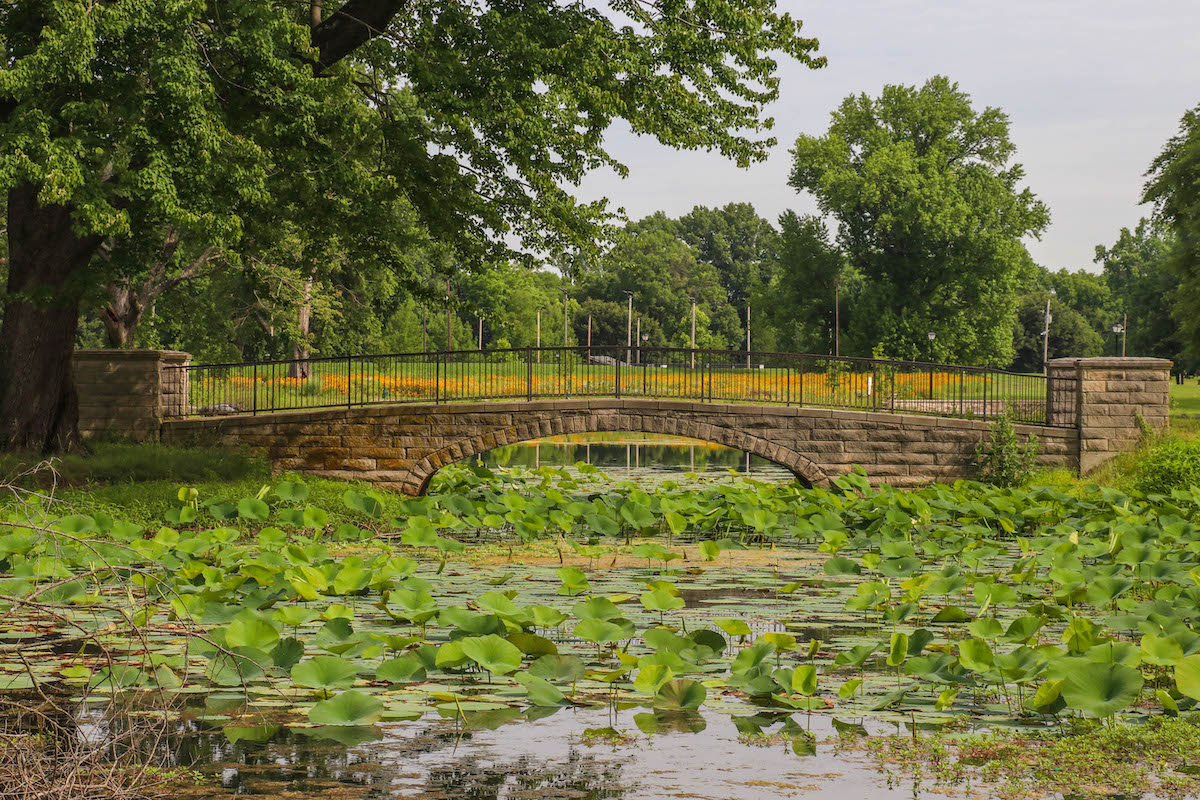
At 61 acres, Chickasaw Park offers both passive and active recreation, including a fishing pond, picnic areas, playgrounds, a splash pad, ballfields, and winding pedestrian paths. The Olmsted Brothers’ design balanced these uses and incorporated characteristic planting of red cedar cypress and white pines to create a cohesive landscape that supports community life.
Until Louisville’s parks were desegregated in 1955, Chickasaw, along with Baxter Square, was the only park in the system to provide full recreational space and amenities to Black residents under the segregation policies of the era.
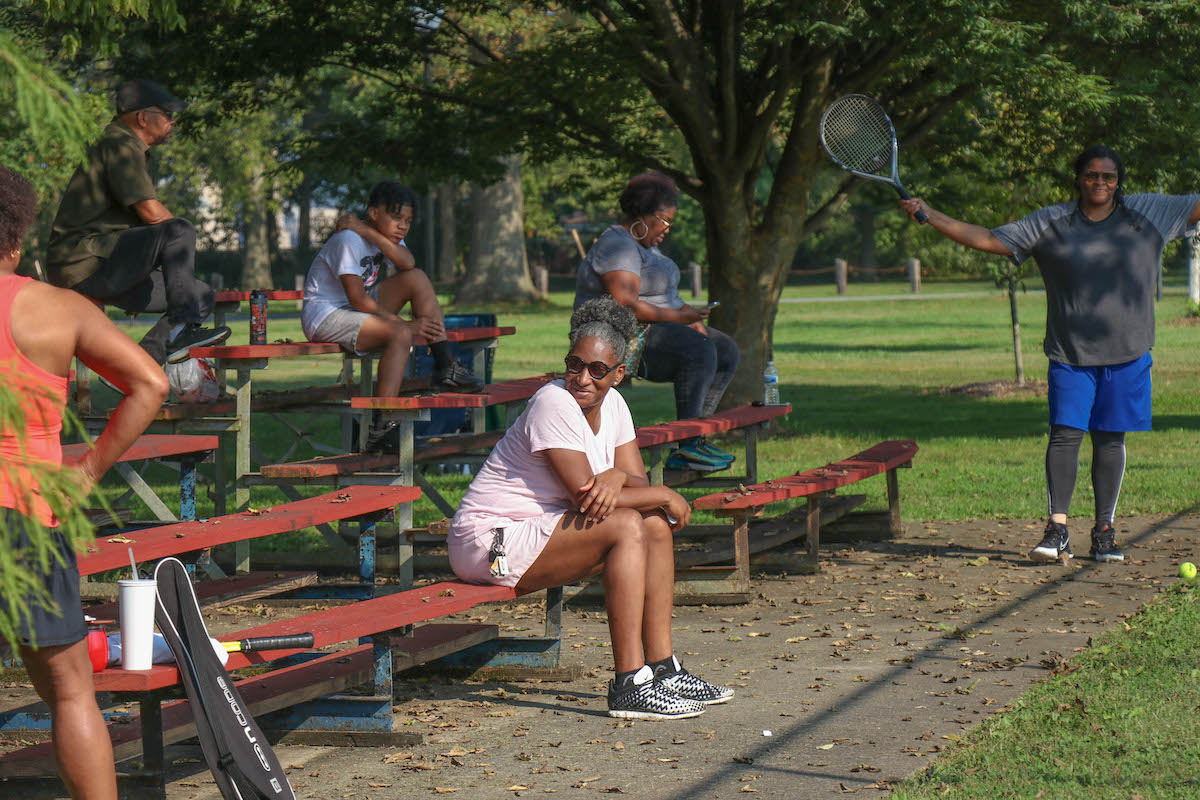
A distinctive feature of the park has been its free public clay tennis courts, installed in 1923 and used continuously by the West Louisville Tennis Club.
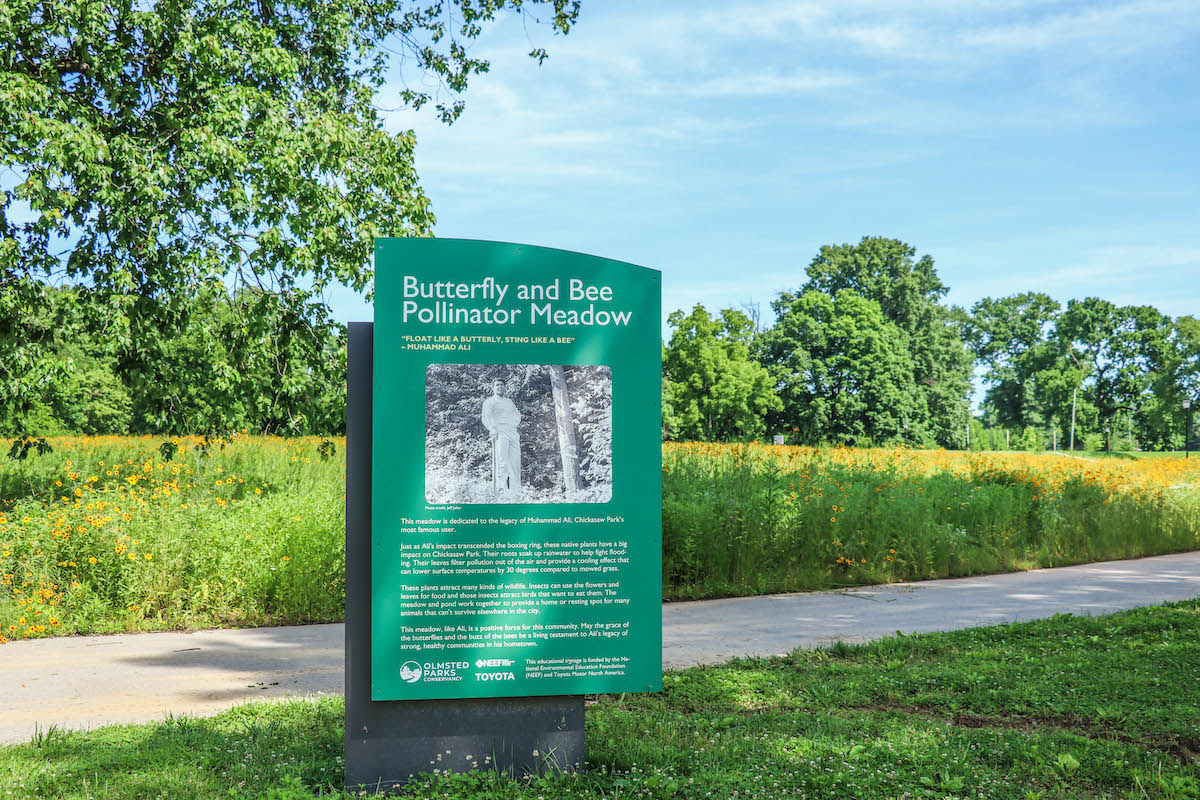
The park has long been central to community life and local culture. Muhammad Ali, among other notable athletes, ran and trained in Chickasaw Park during his youth.
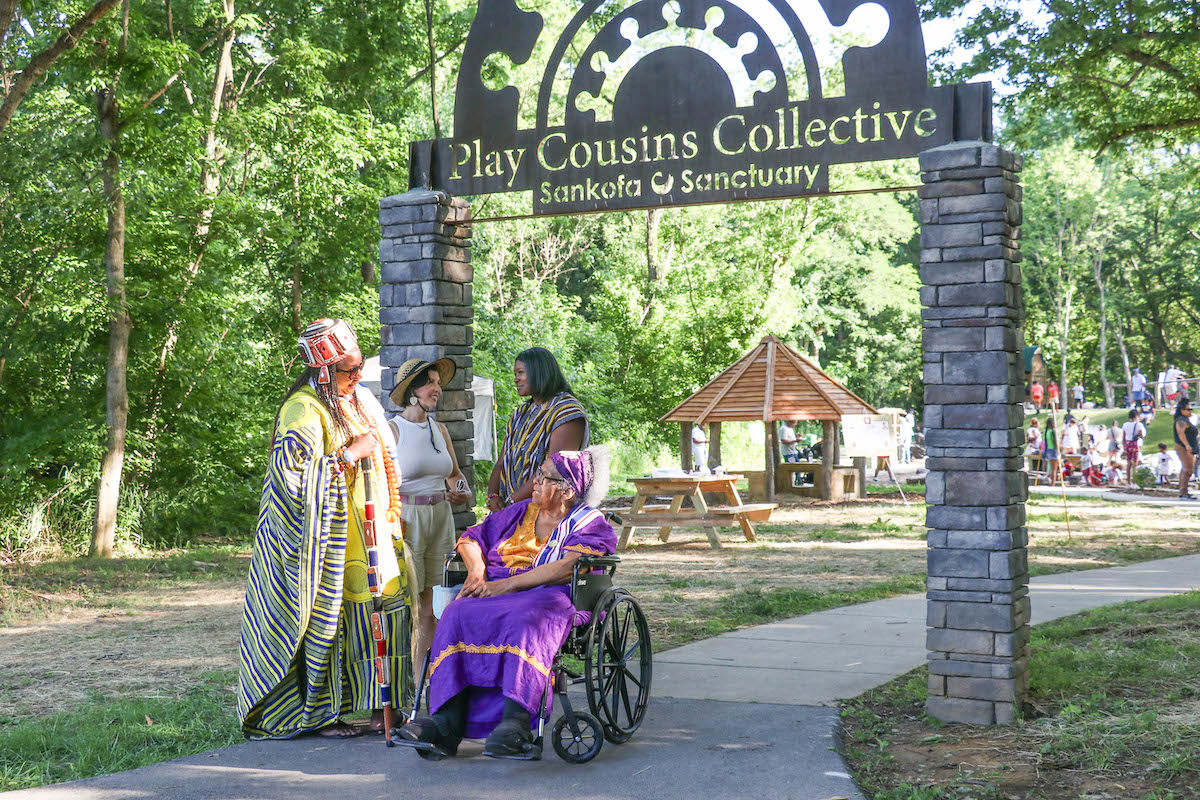
Over the decades, Chickasaw Park has faced challenges with deferred maintenance and investment. Ongoing advocacy and restoration efforts by the Olmsted Parks Conservancy and community partners are supporting revitalization of the landscape, including major funding announced in 2025 to help restore park features and infrastructure.
Chickasaw Park’s history reflects both the realities of segregation-era public policy and the enduring importance of community-centered landscape design and public space.