

About Forest Hills Gardens
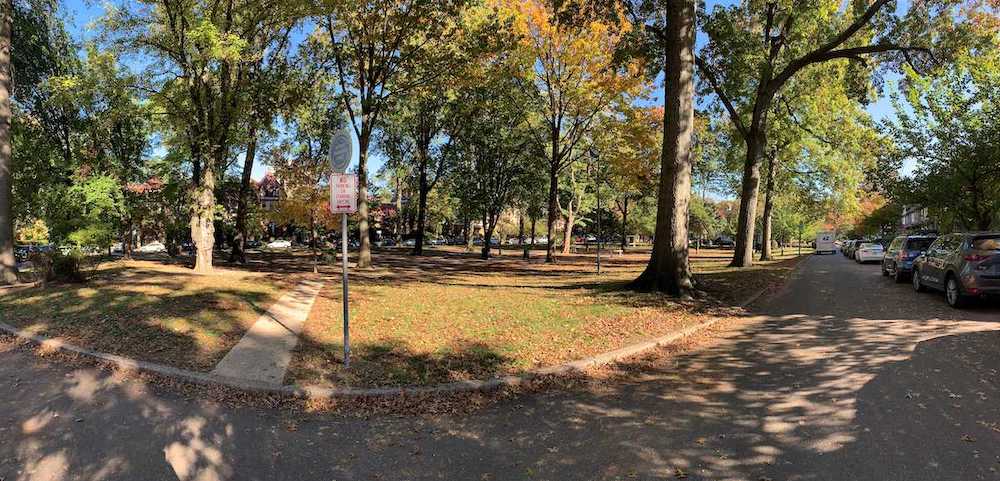
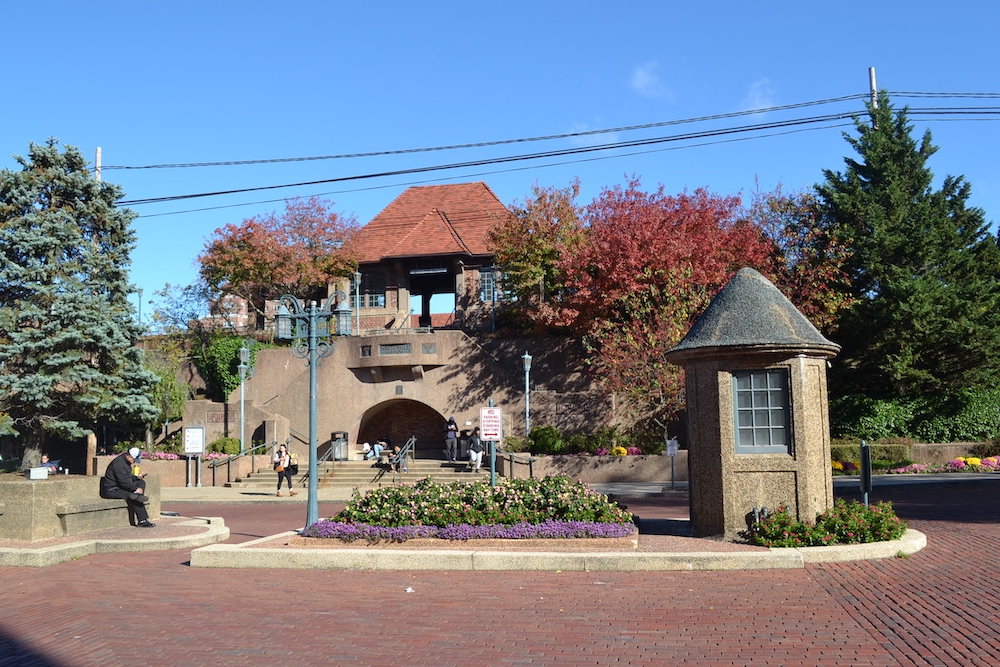
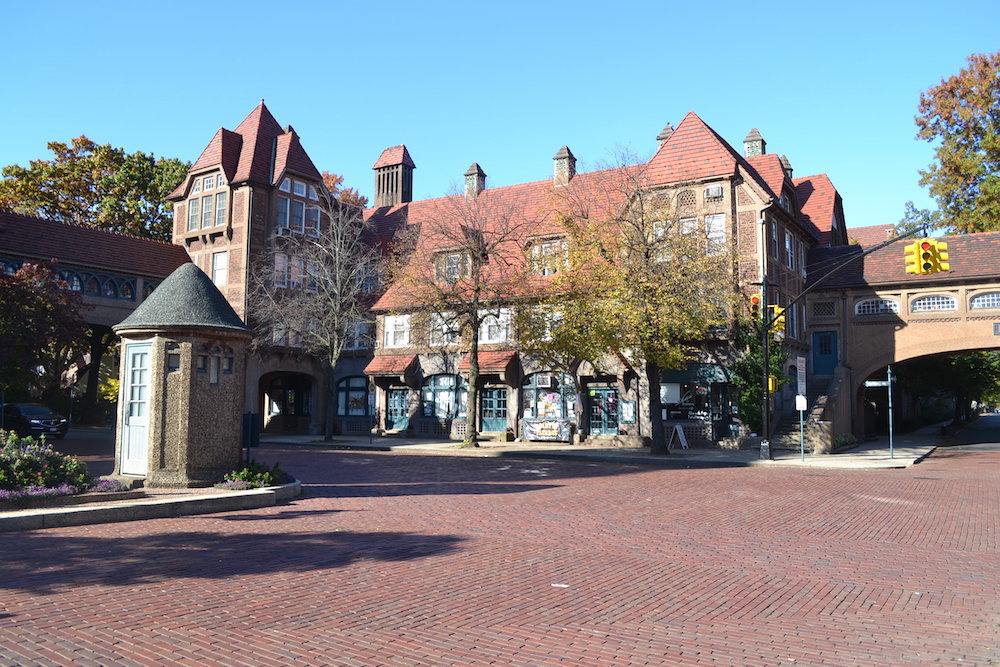
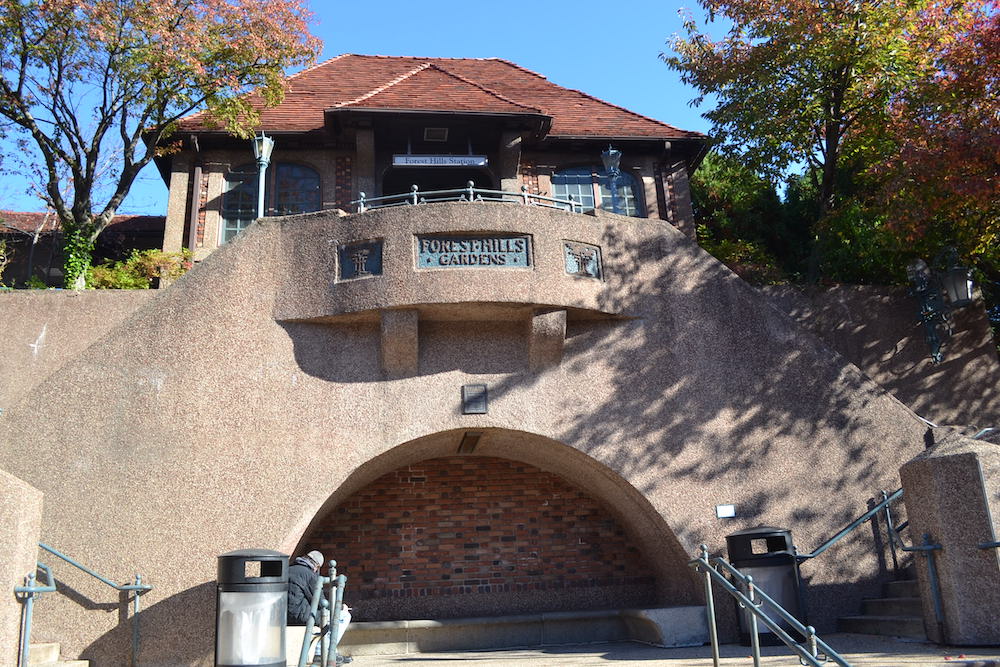
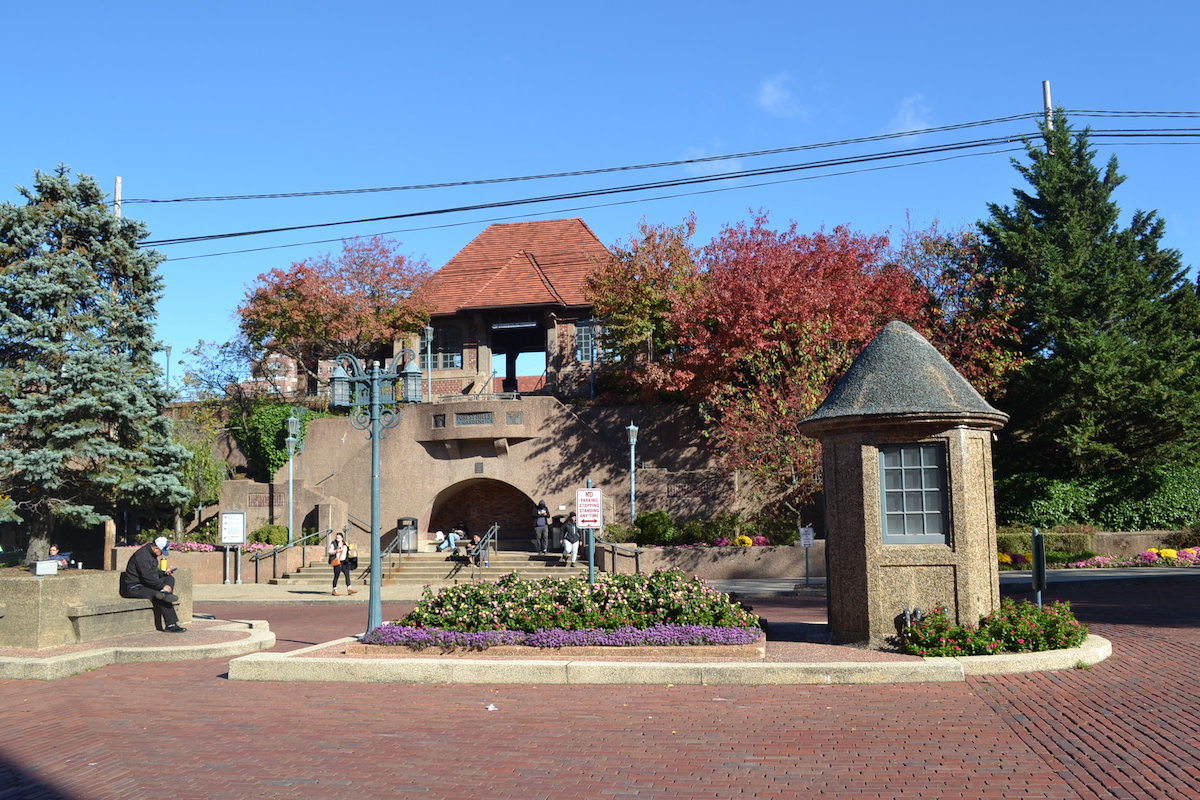
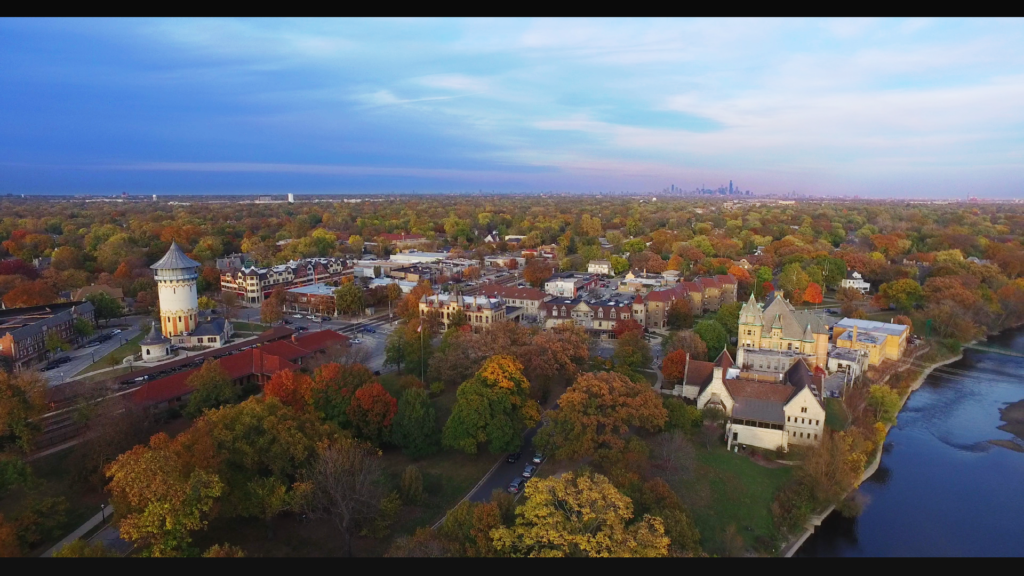
Forest Hills Gardens was designed by Frederick Law Olmsted Jr. and architect Grosvenor Atterbury in 1909. The 175-acres—found in Queens, NY—was the first planned garden city in the United States. The Olmsted firm was hired by the Russell Sage Foundation due to their ability to involve both the social and aesthetic side of landscape architecture.
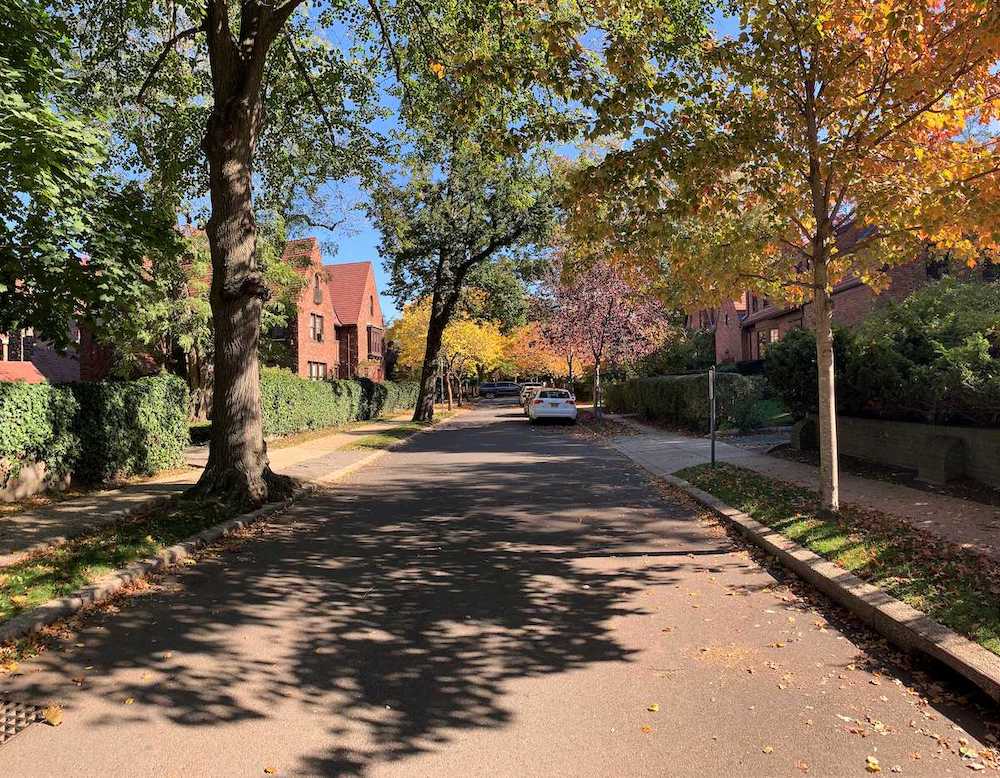
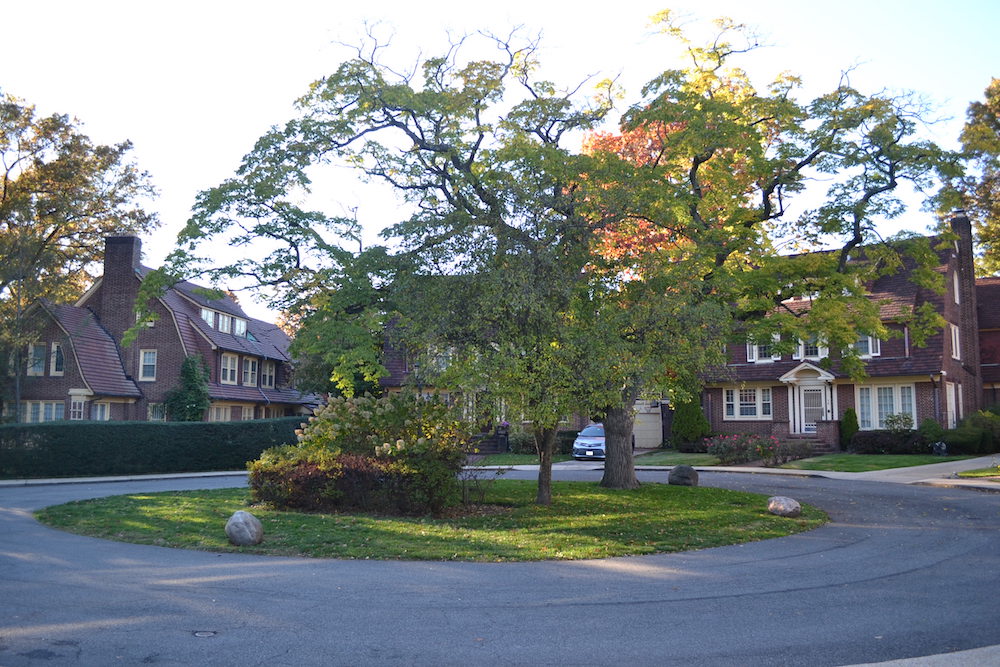
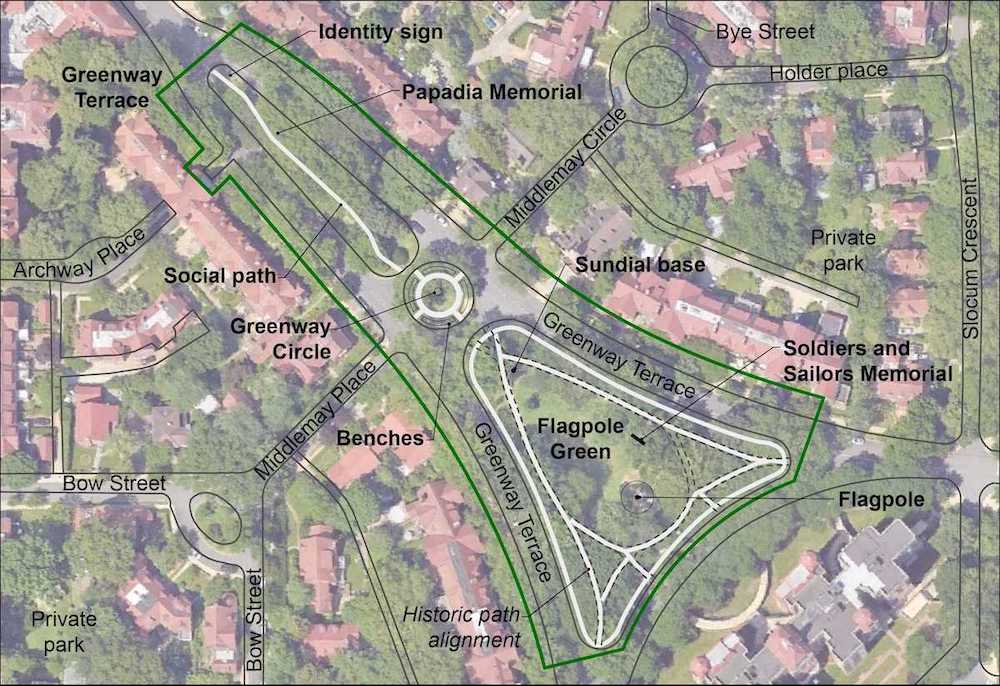
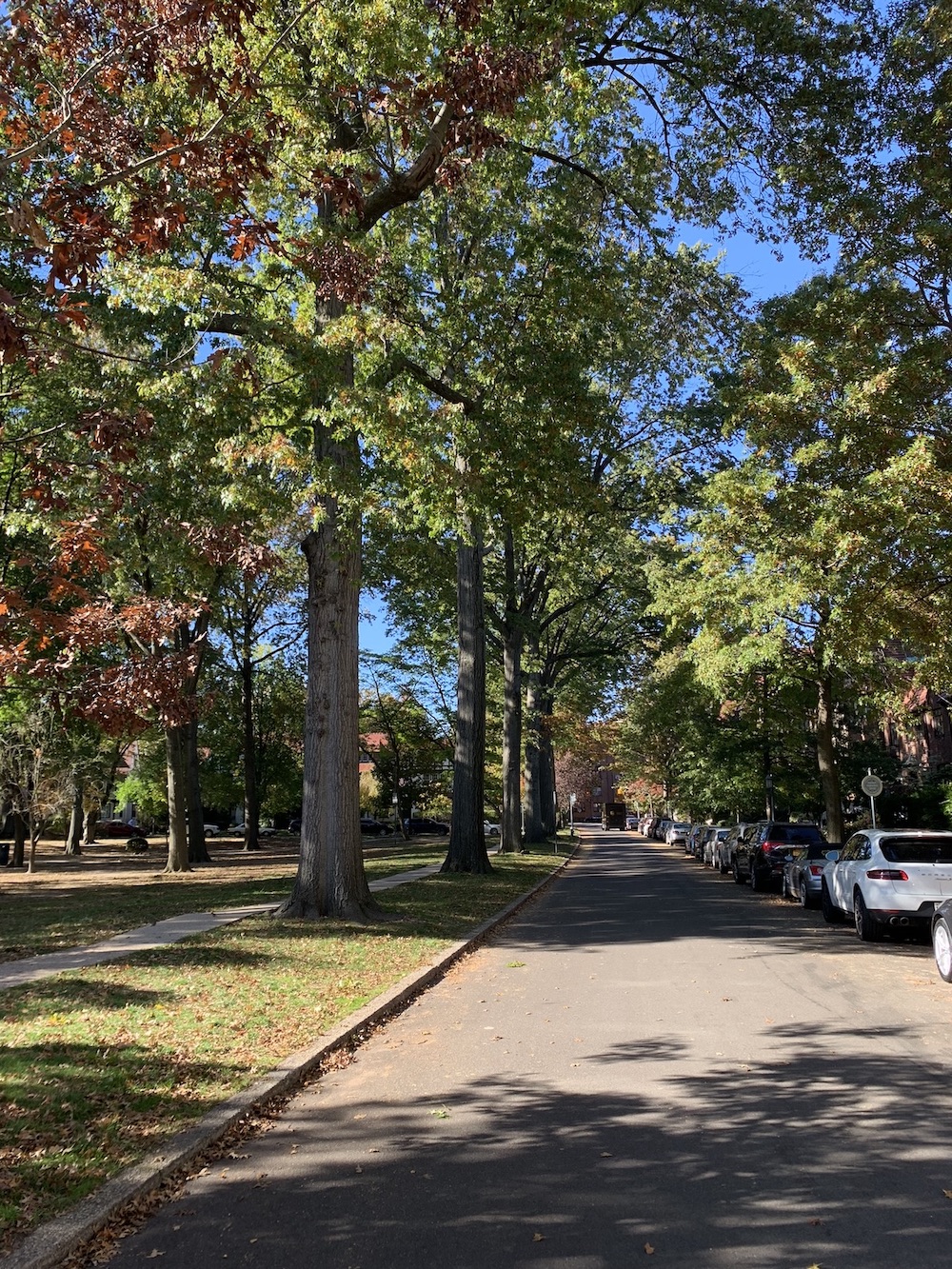
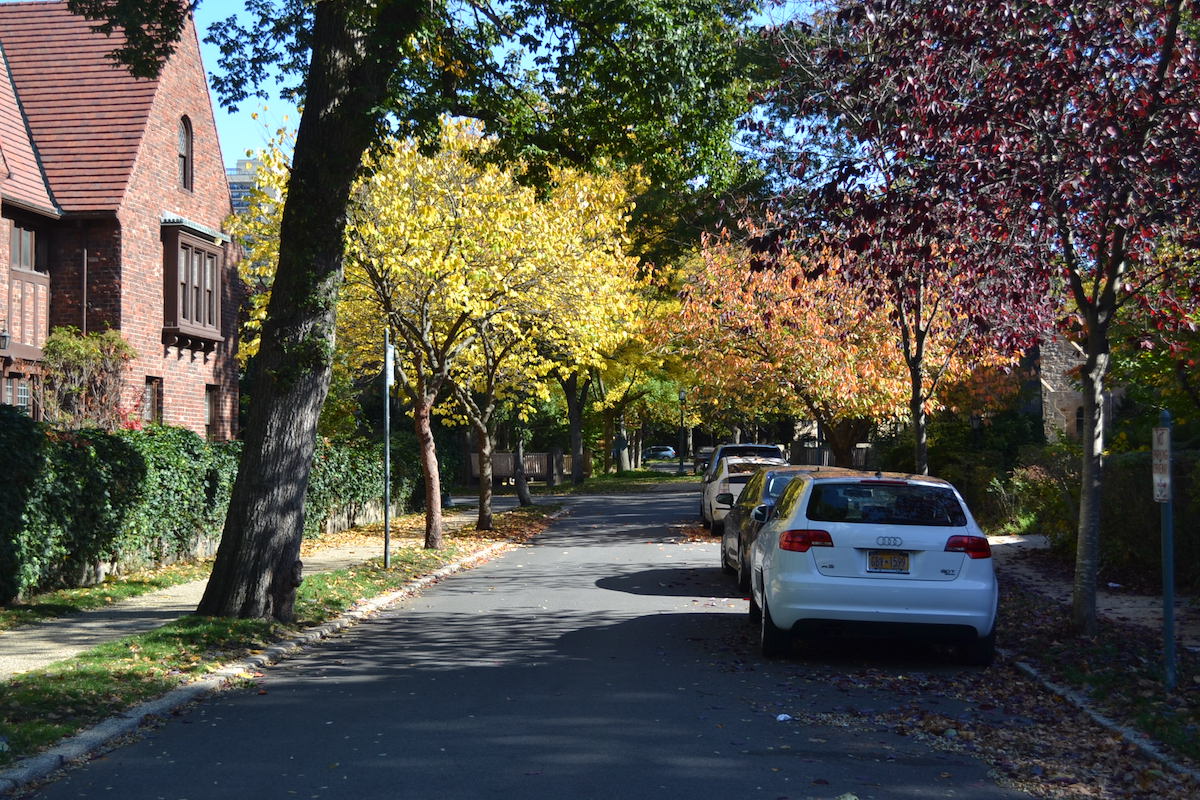
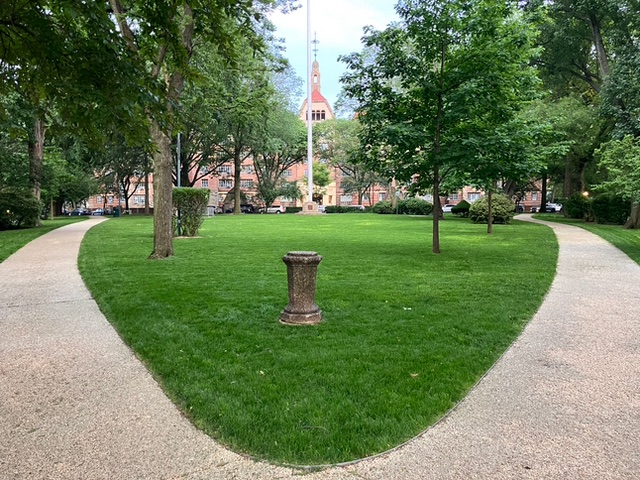
Forest Hills Gardens was to serve as a model, demonstrating how the garden city concept might improve the lives of New York City area residents. The need arose from an explosion in the population of the metropolitan area during the turn of the twentieth century when the city began to accommodate throngs of immigrants and others joining the ranks of city workers in the form of low-income housing. The Olmsted firm laid out the community along a carefully planned street system that deviated from the orthogonal grid predominant throughout New York City and its boroughs and followed a unique hierarchy.
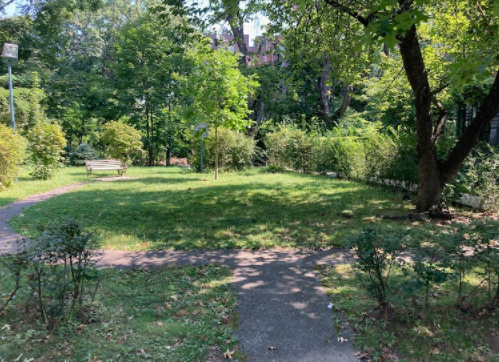
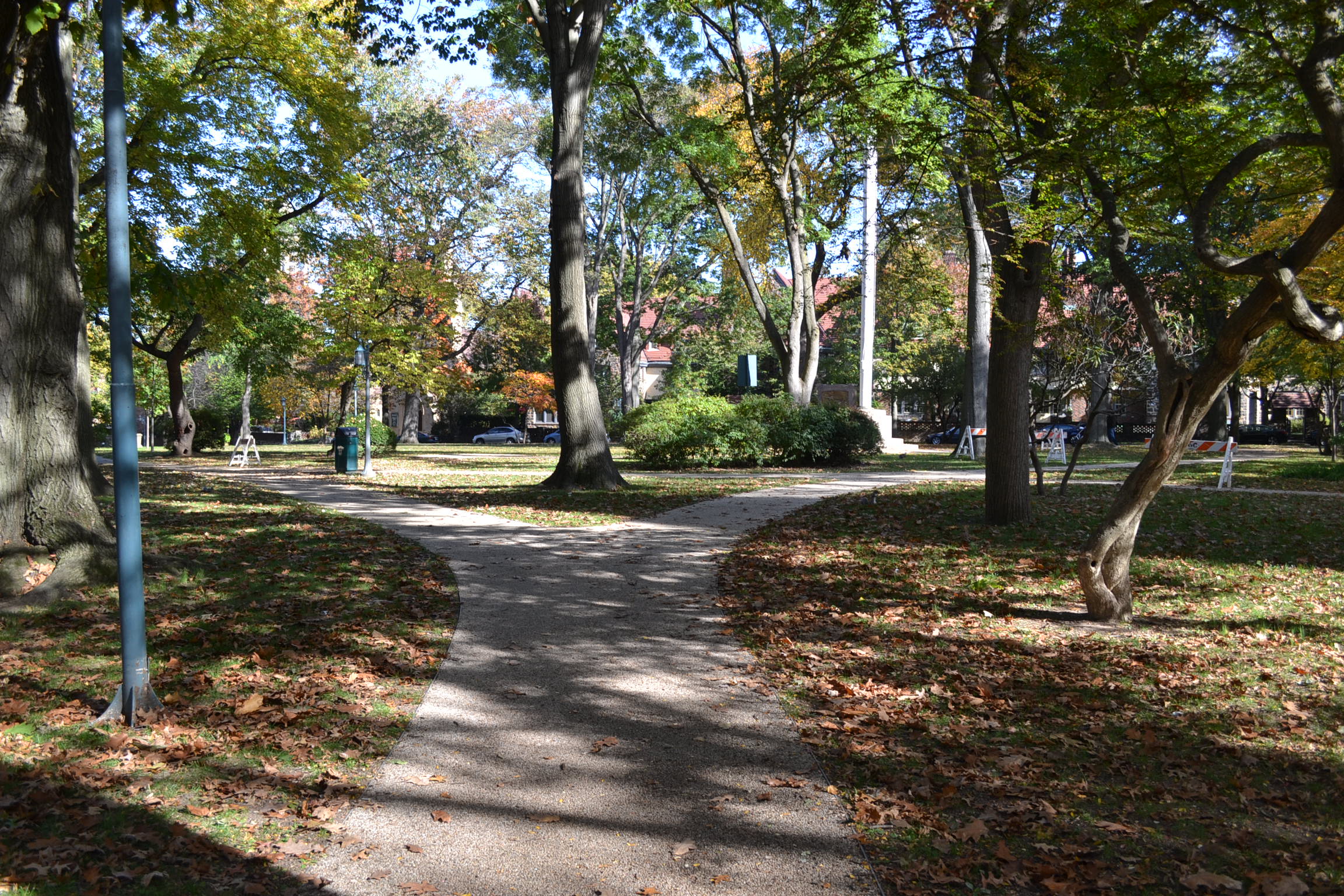
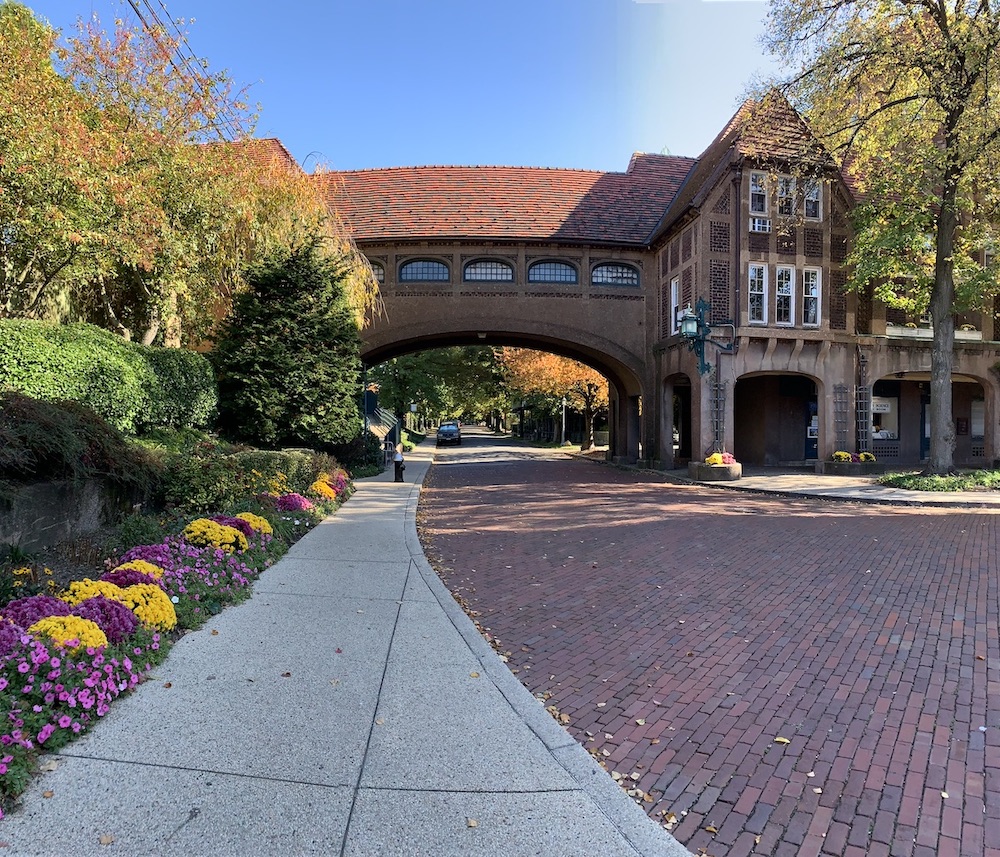
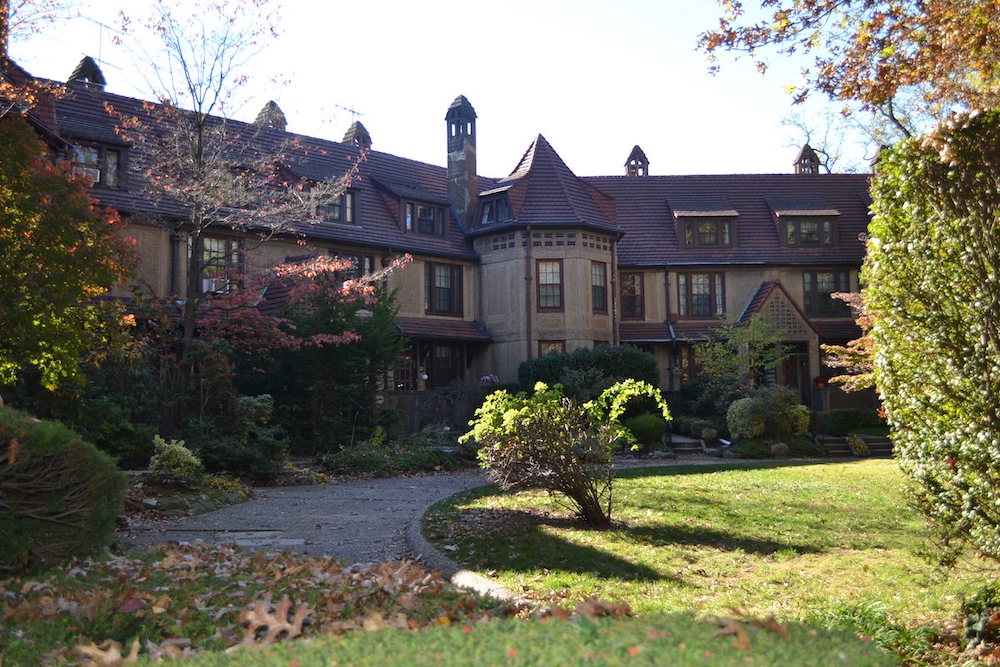
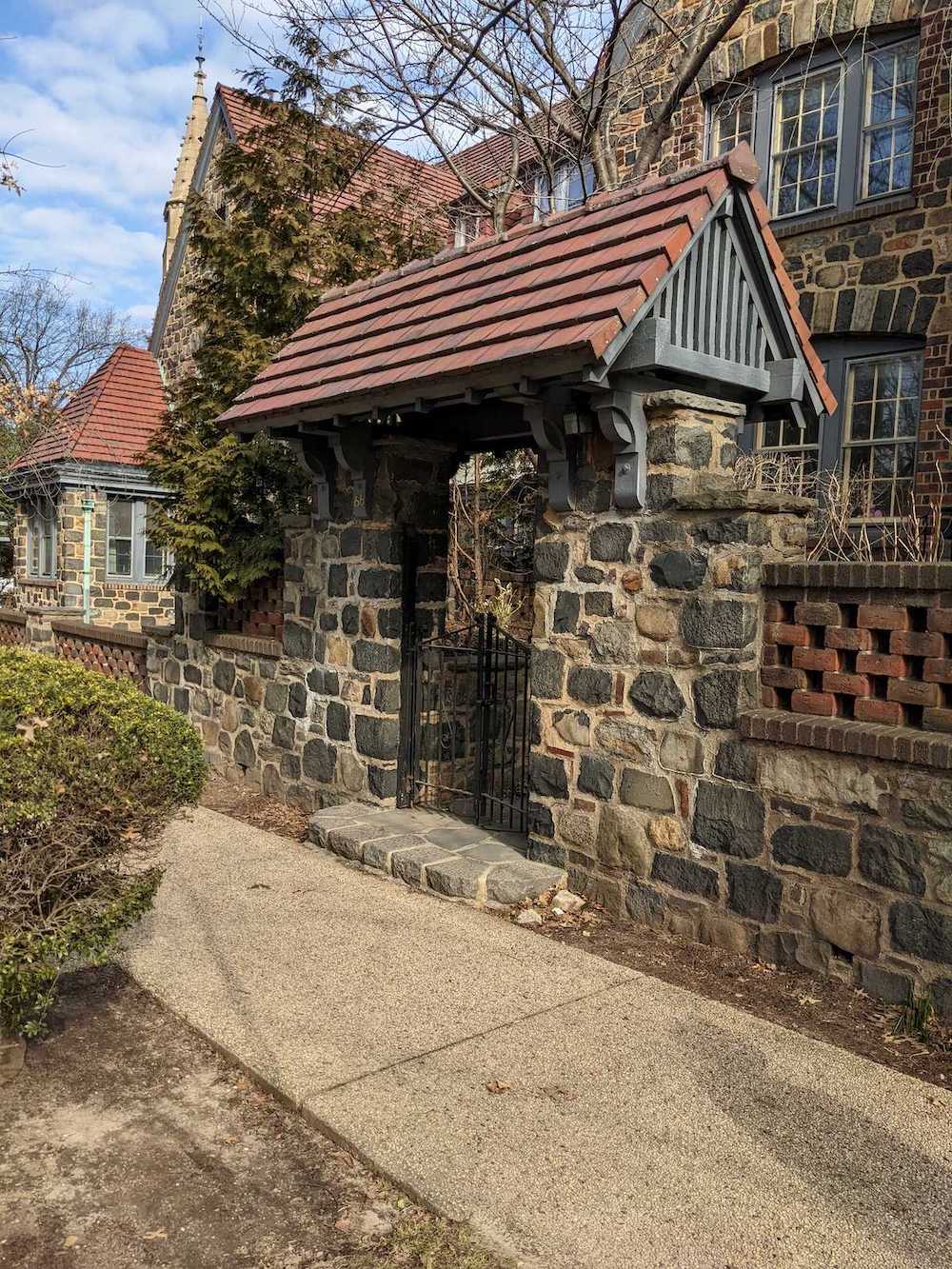
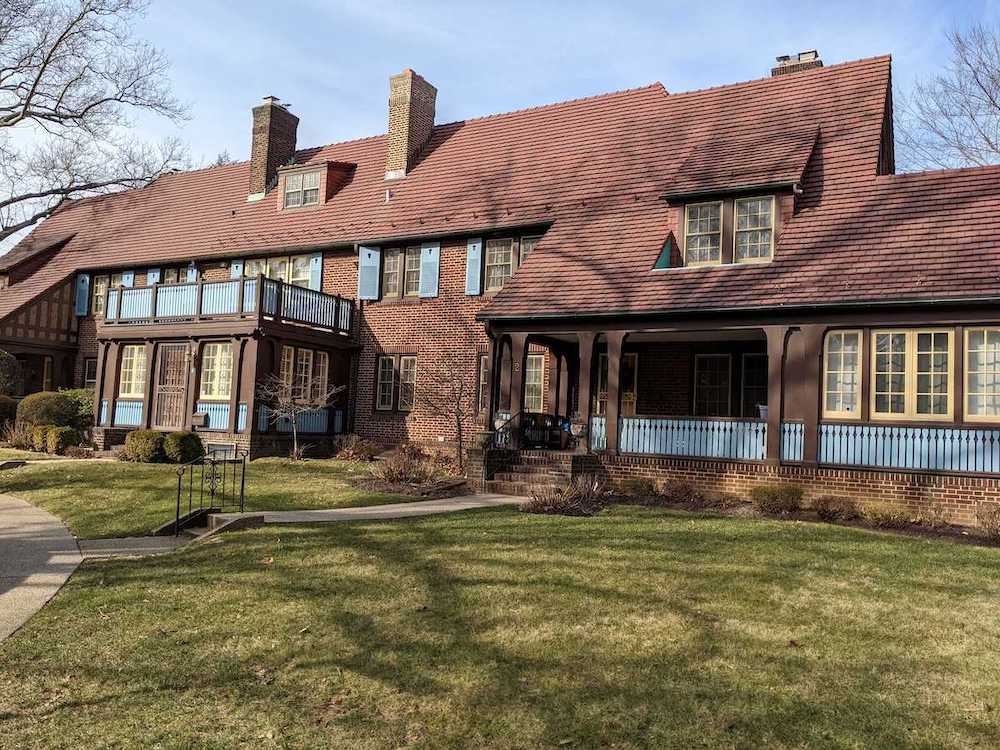
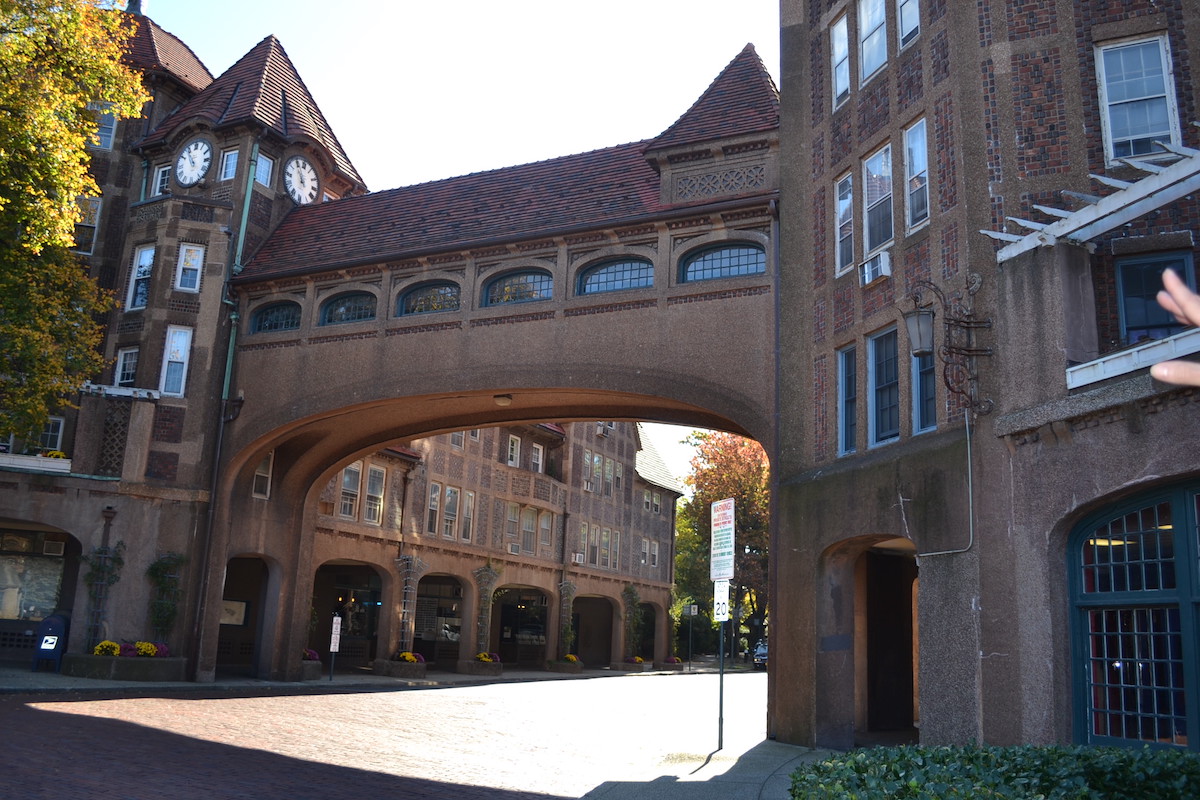
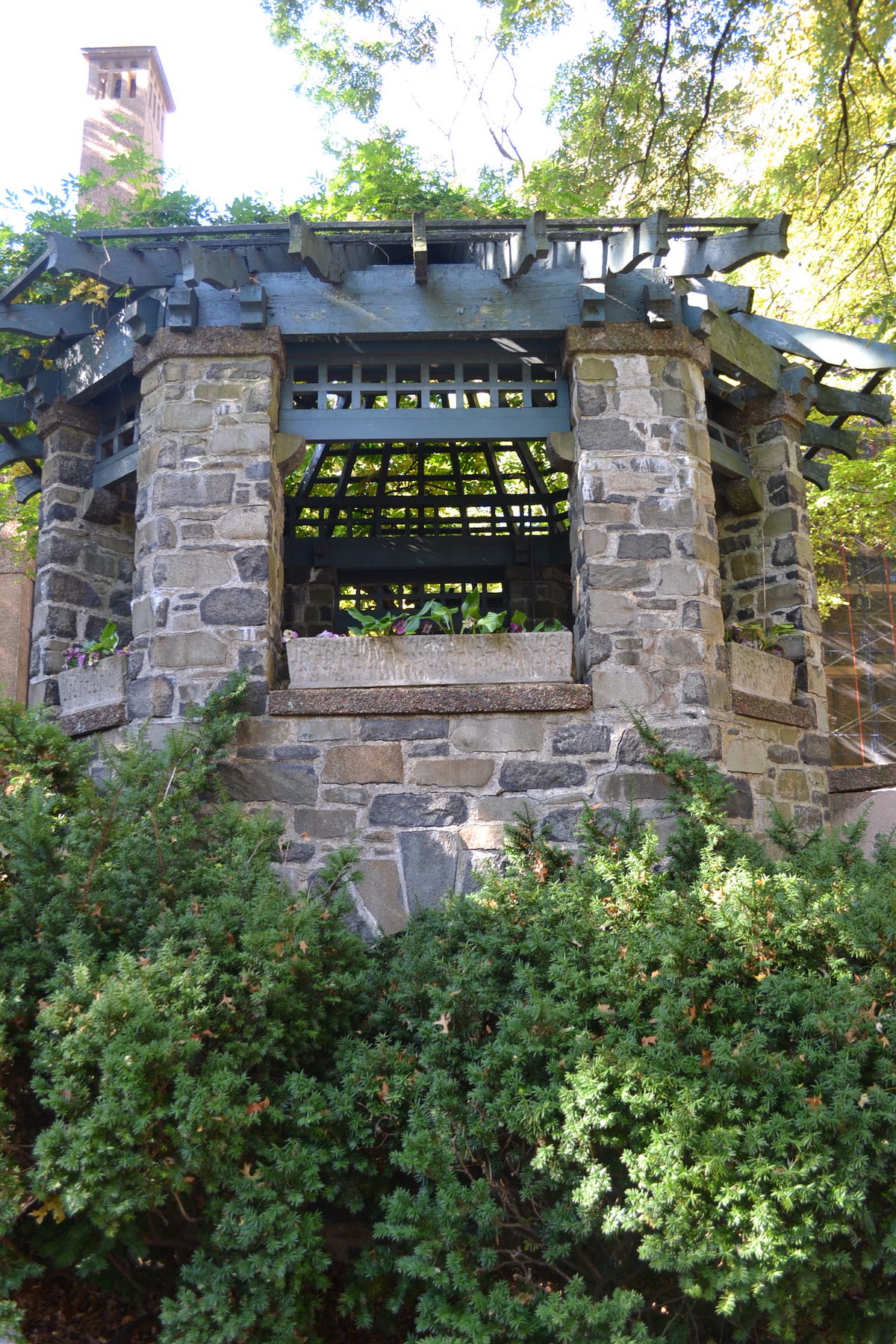
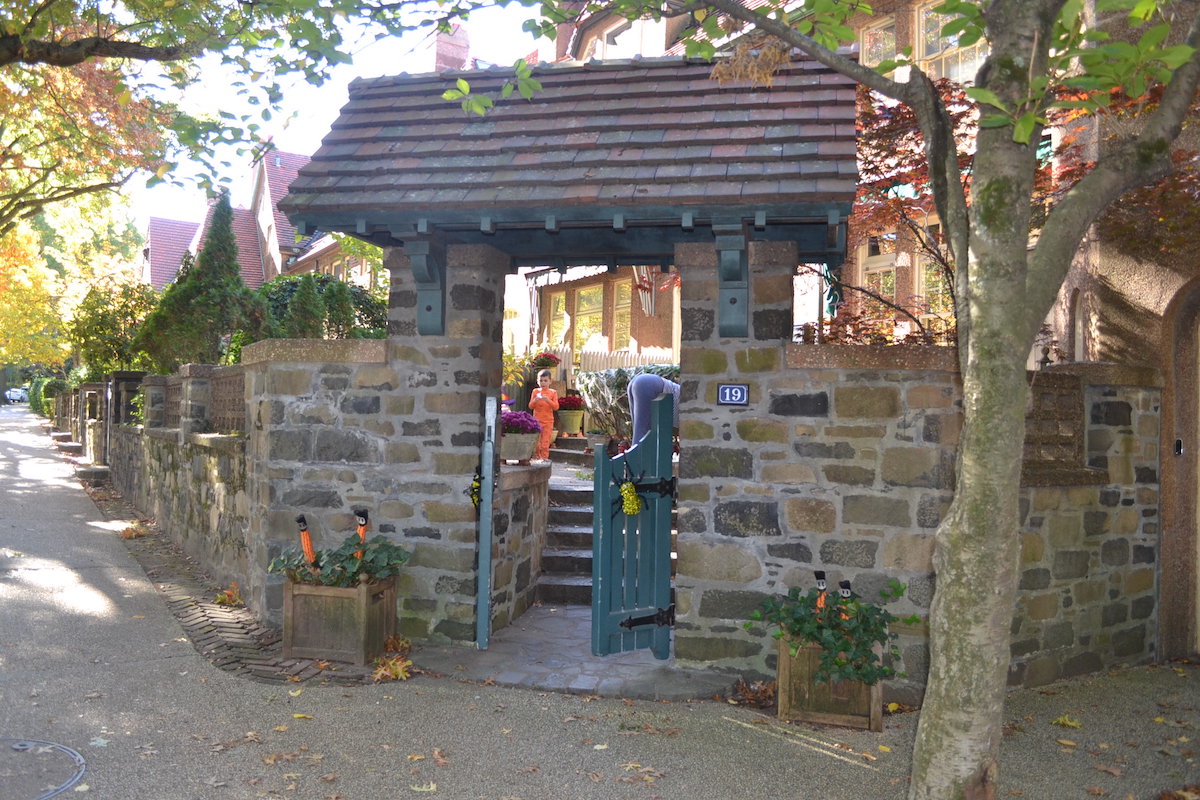
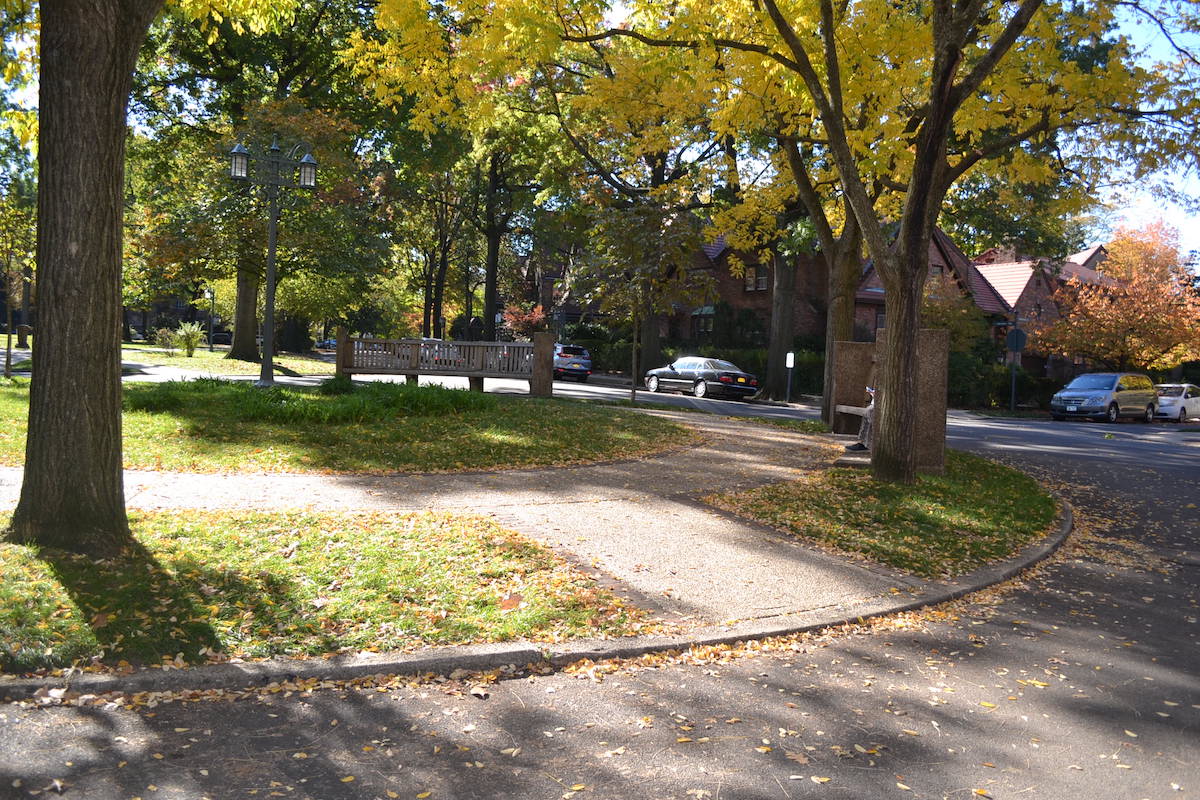
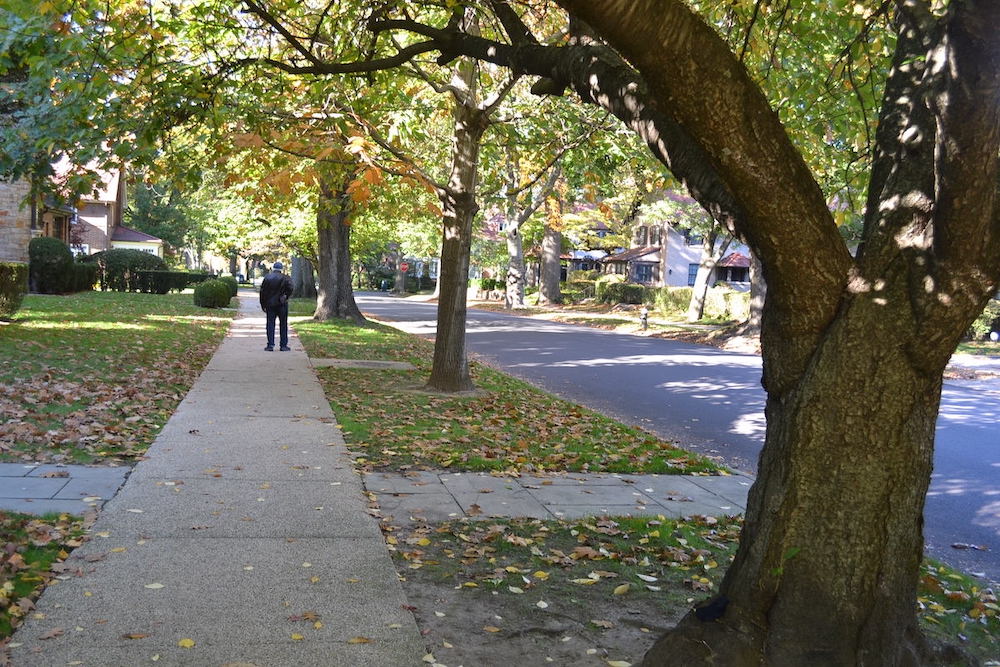
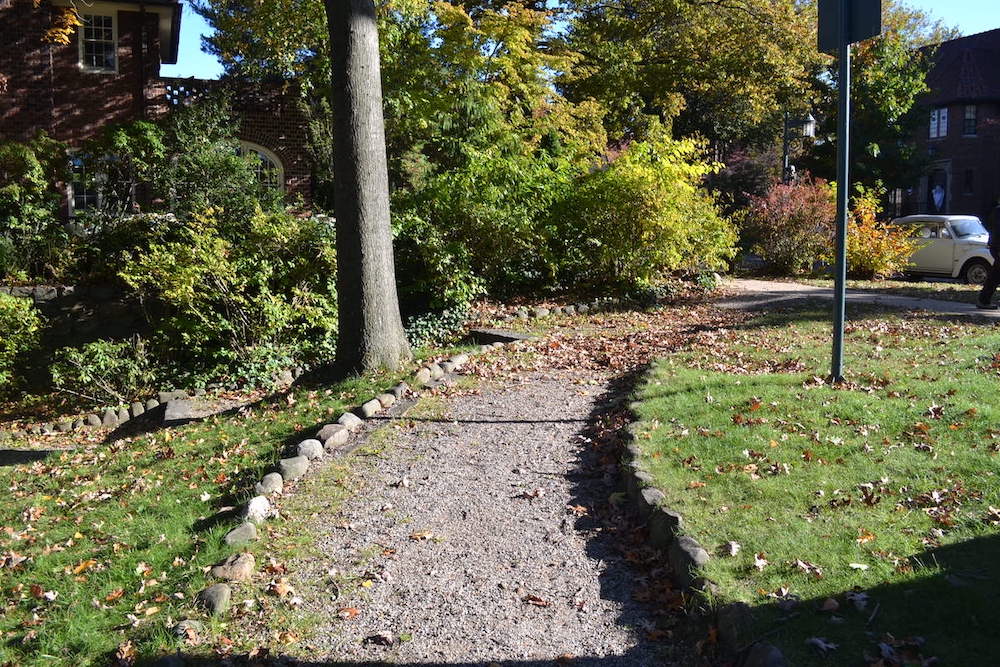
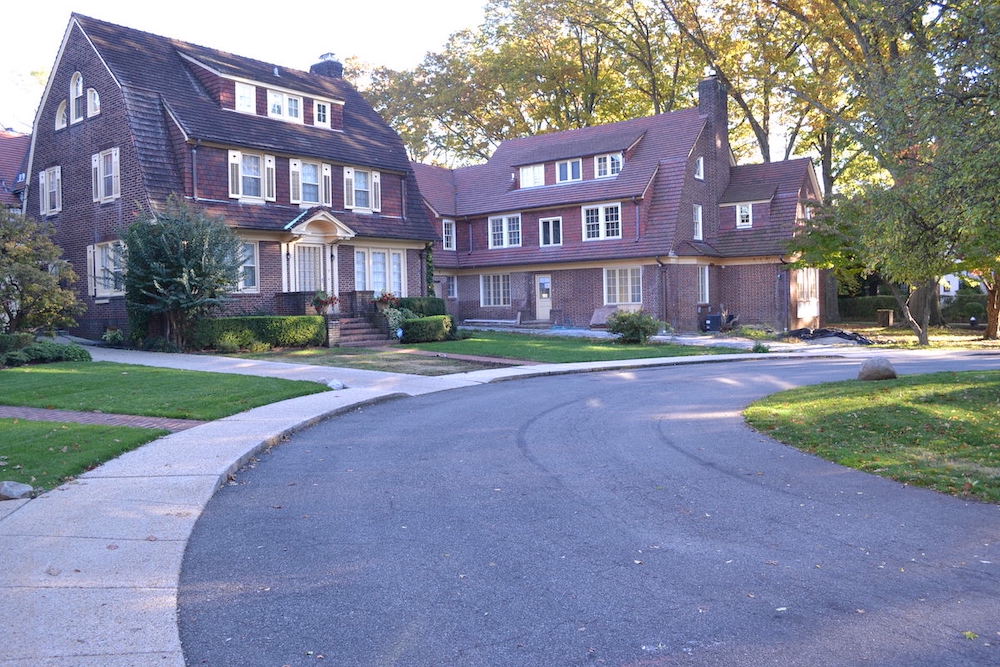
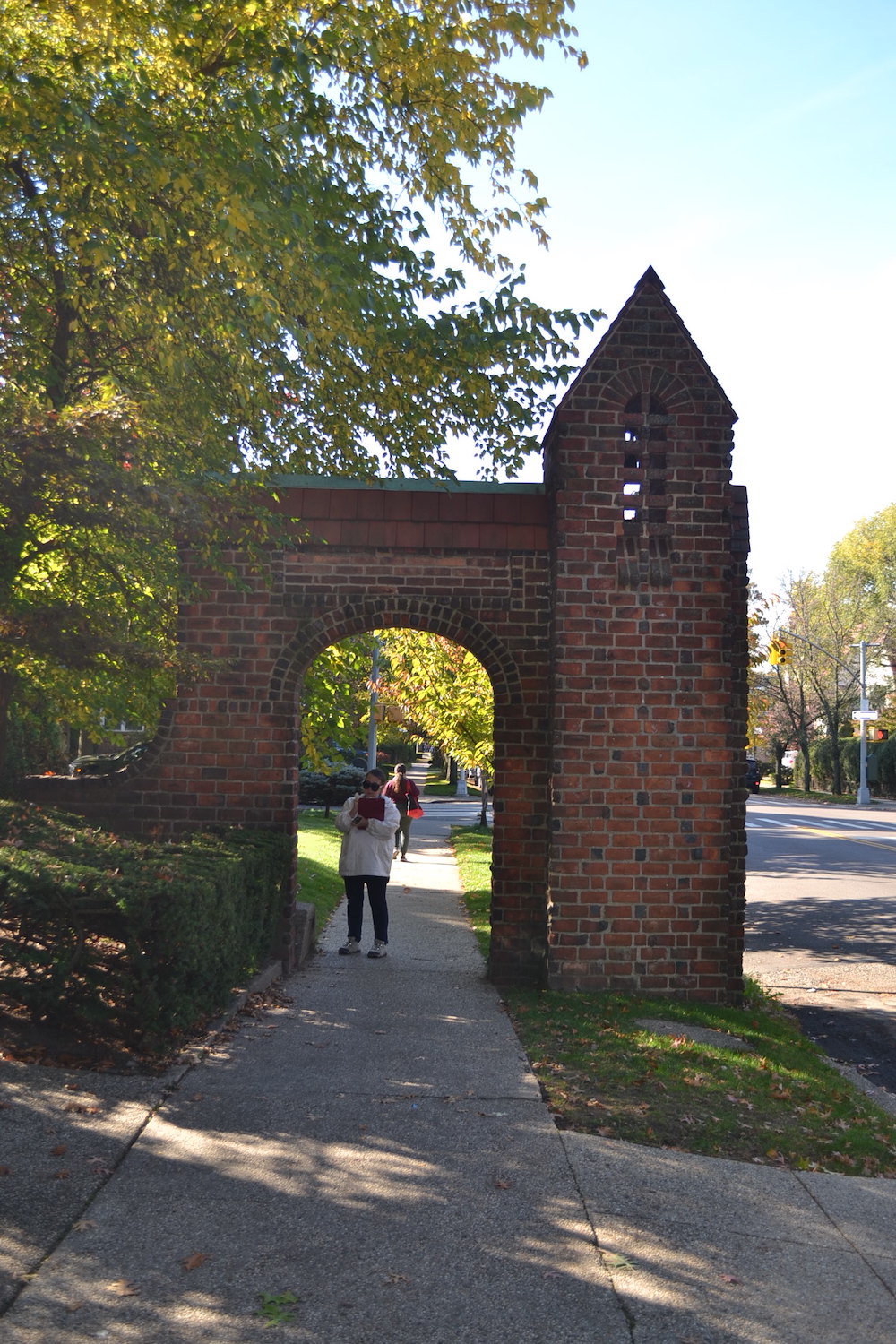
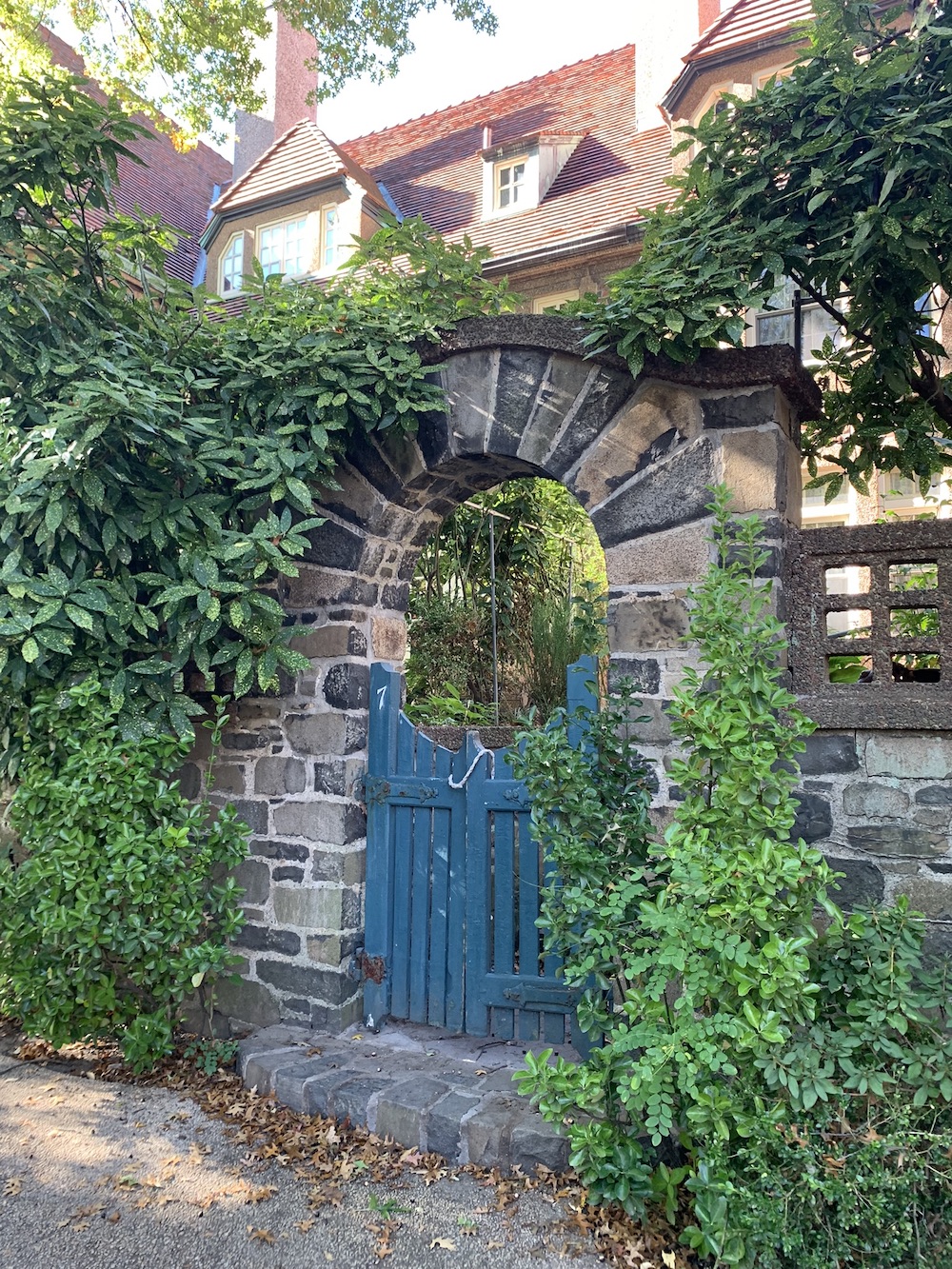
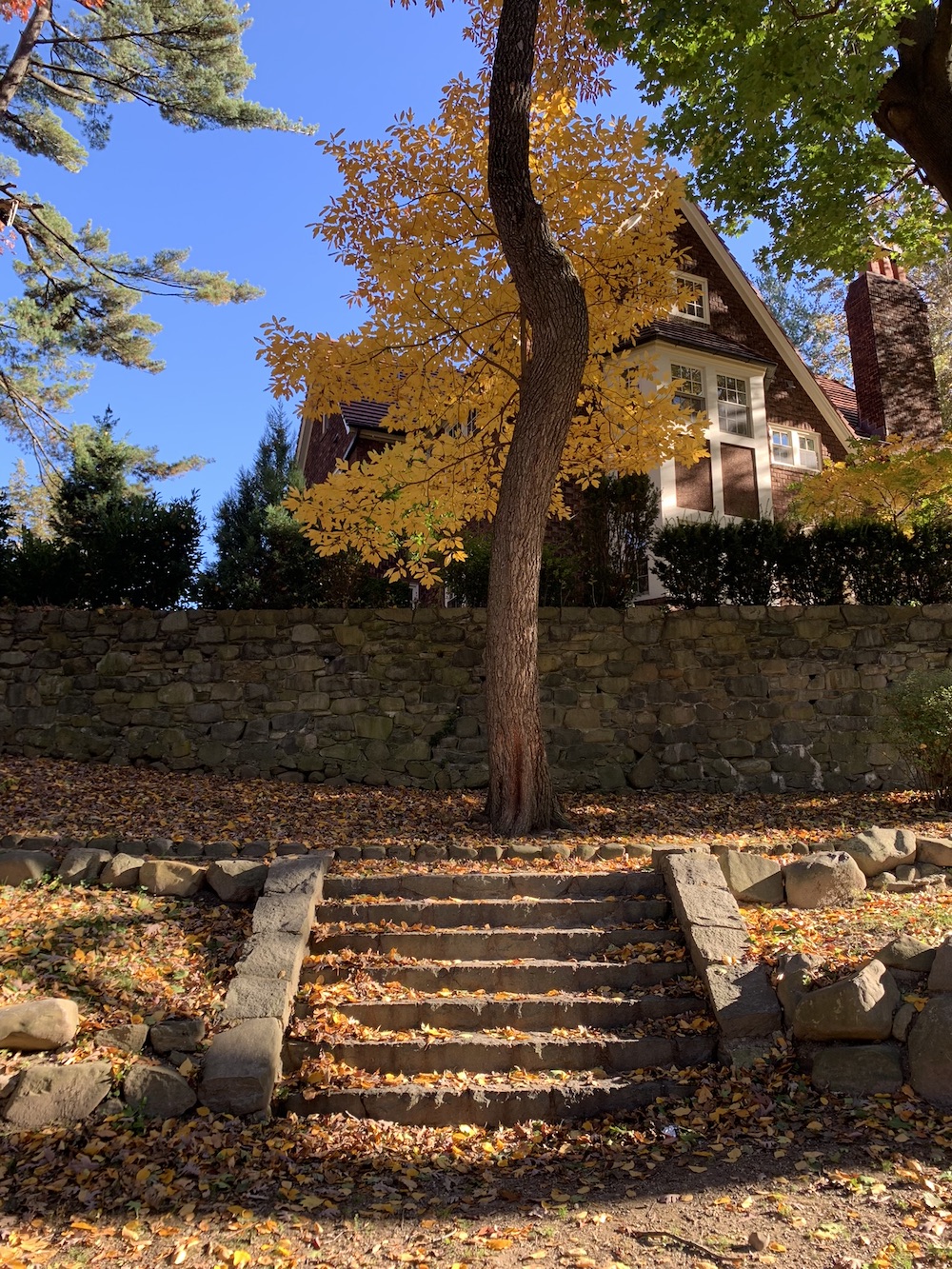
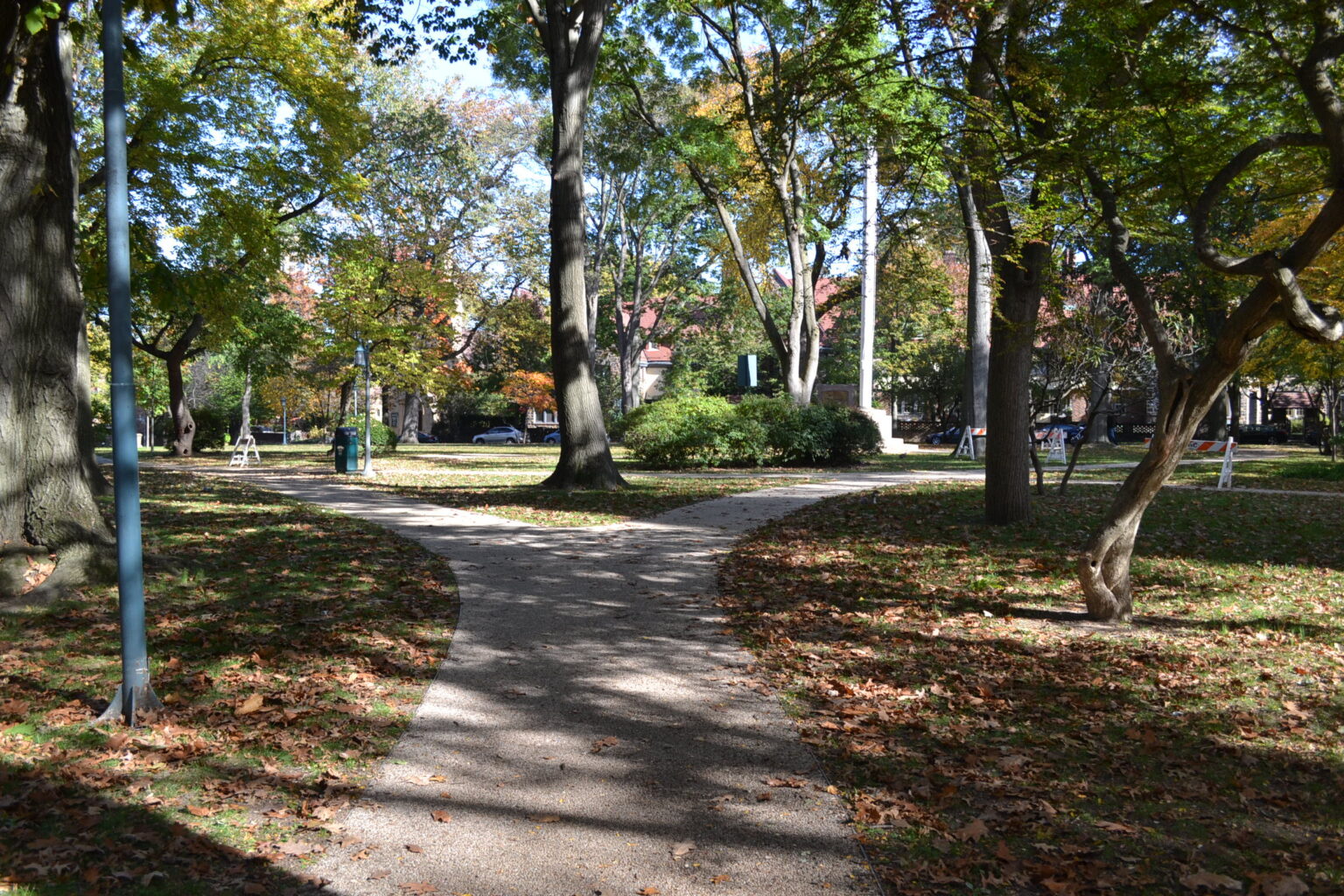
The designed elements of Forest Hills Gardens represent a collaboration between its designers. Atterbury’s architecture reflects Arts and Crafts and European cottage aesthetics with neo-Tudor elements. The landscape architectural style blends the picturesque and the City Beautiful—with an emphasis on beauty, balance, and belonging—particularly through the blending of the public and private landscapes along the many streetscapes.
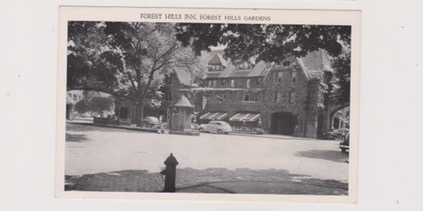
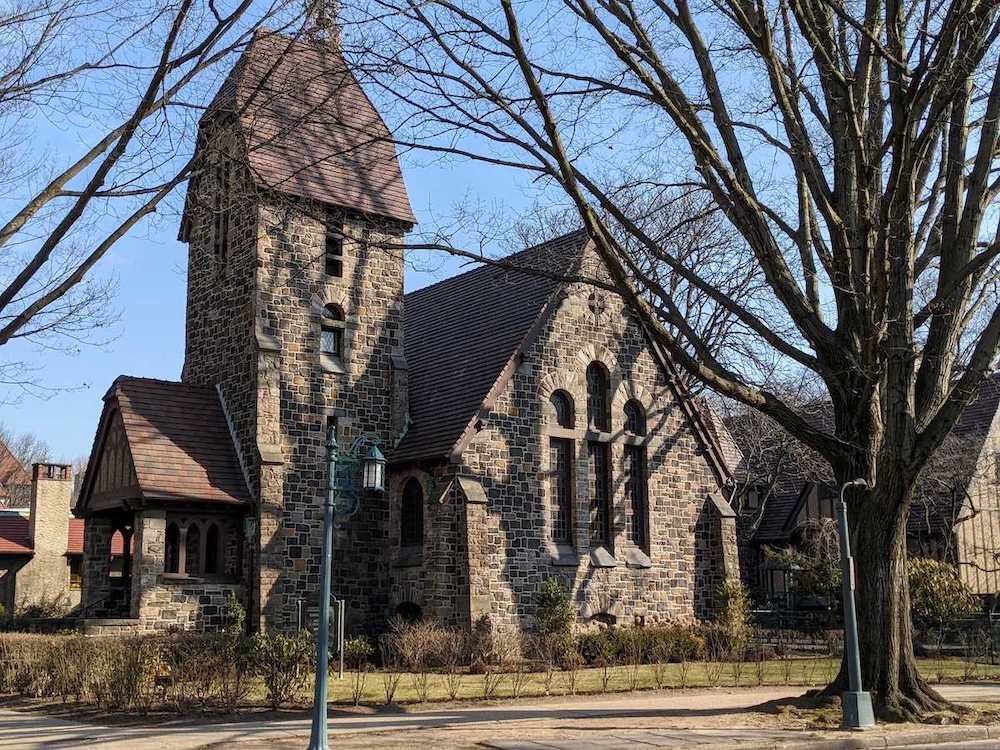
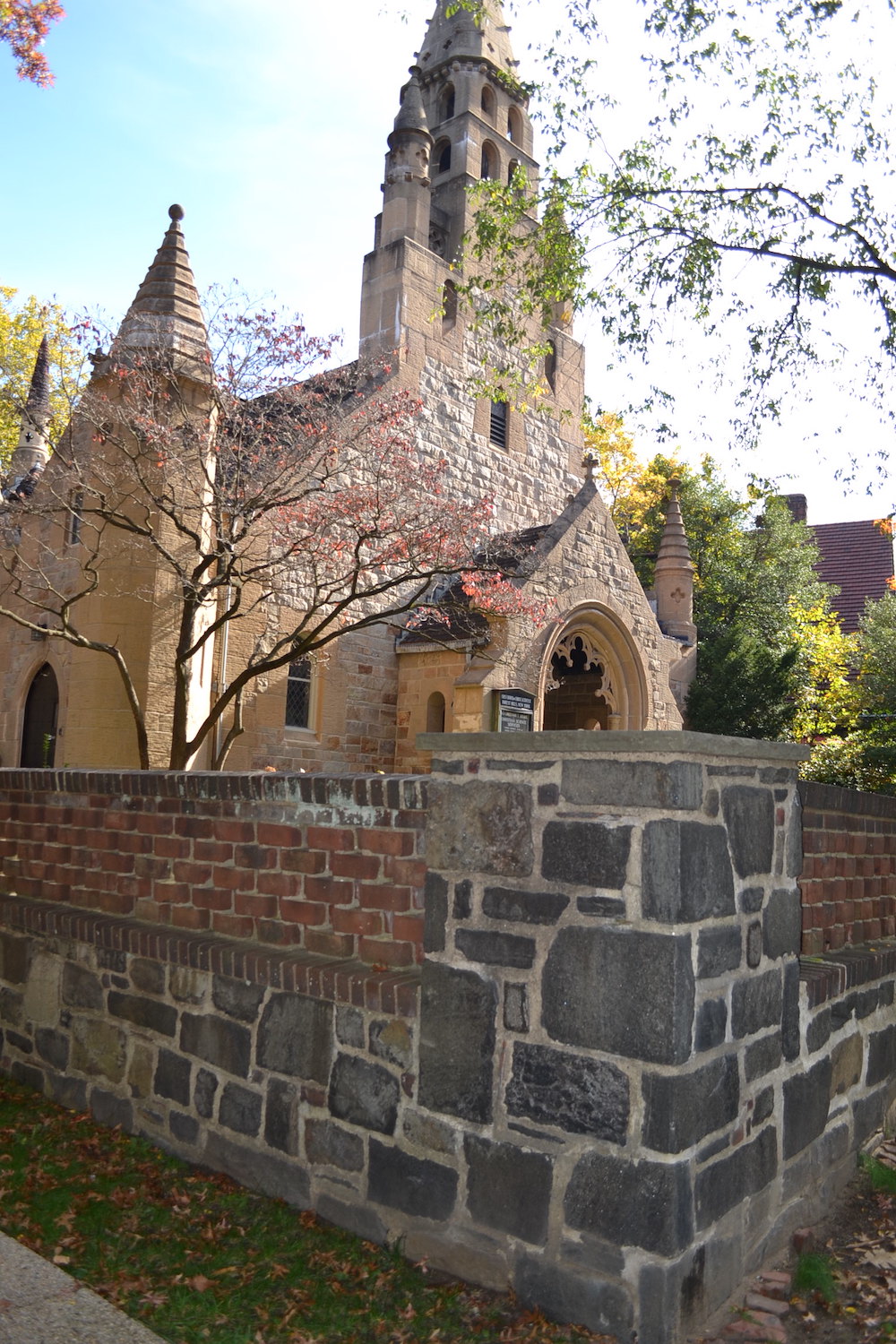
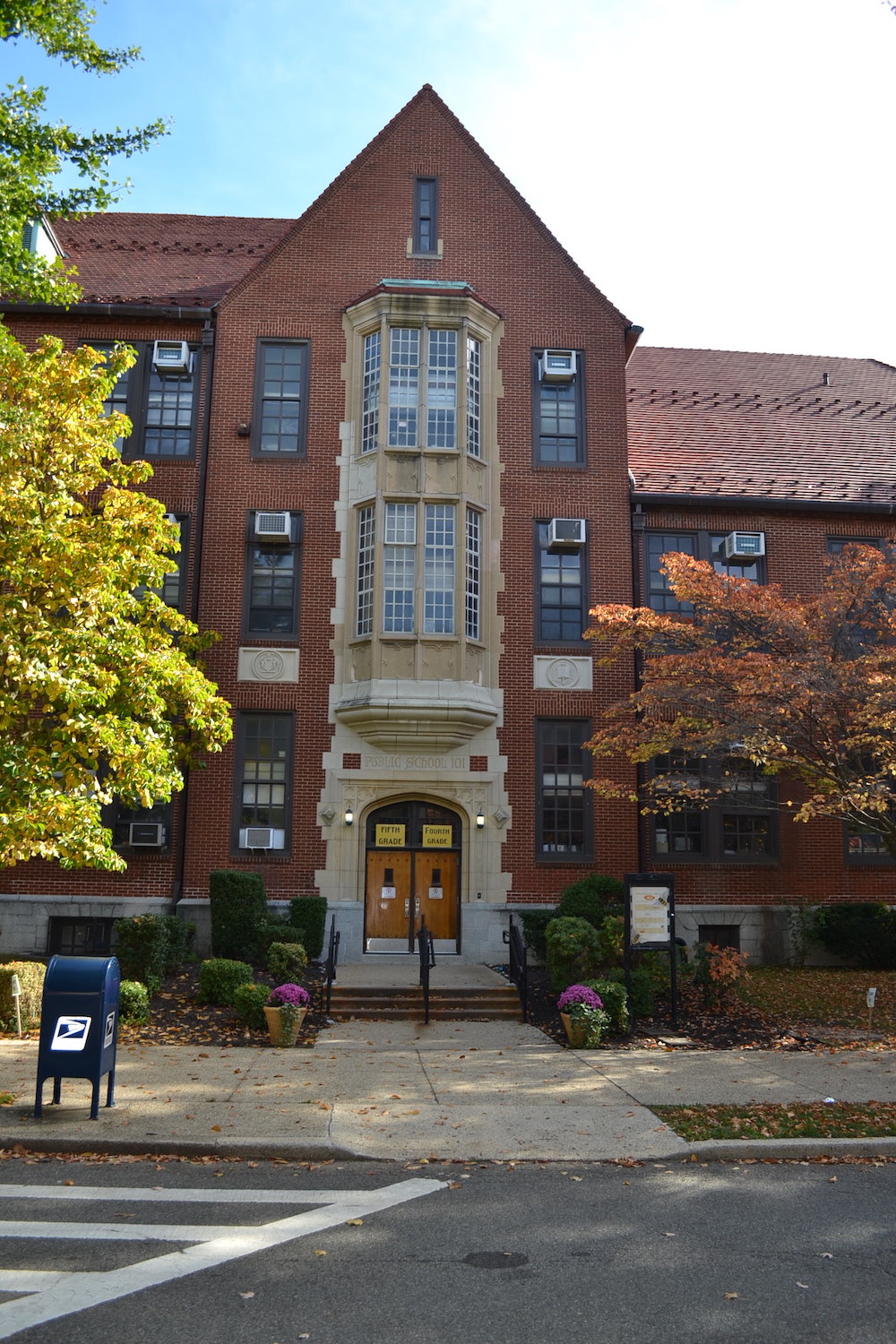
Set within the larger community are three churches (Church-in-the-Gardens, First Church of Christ, Scientist, and St. Luke’s Episcopal), a public school (PS 101 School in the Gardens), the Church-in-the-Gardens Community House, and the West Side Tennis Club, a private membership tennis club featuring numerous tennis courts, a swimming pool, and the historic stadium that hosted the U.S. National Championships until 1977.
Forest Hills Gardens has been well preserved and still reflects Olmsted Jr.’s original plan. The community has survived with a high degree of integrity thanks to the careful stewardship of dedicated volunteers and an oversight organization, the Forest Hills Gardens Corporation, established in 1922 after the Sage Foundation determined that it had completed its mission. A Cultural Landscape Report was prepared for Forest Hills Garden in 2026 and is linked in the Documents section below.