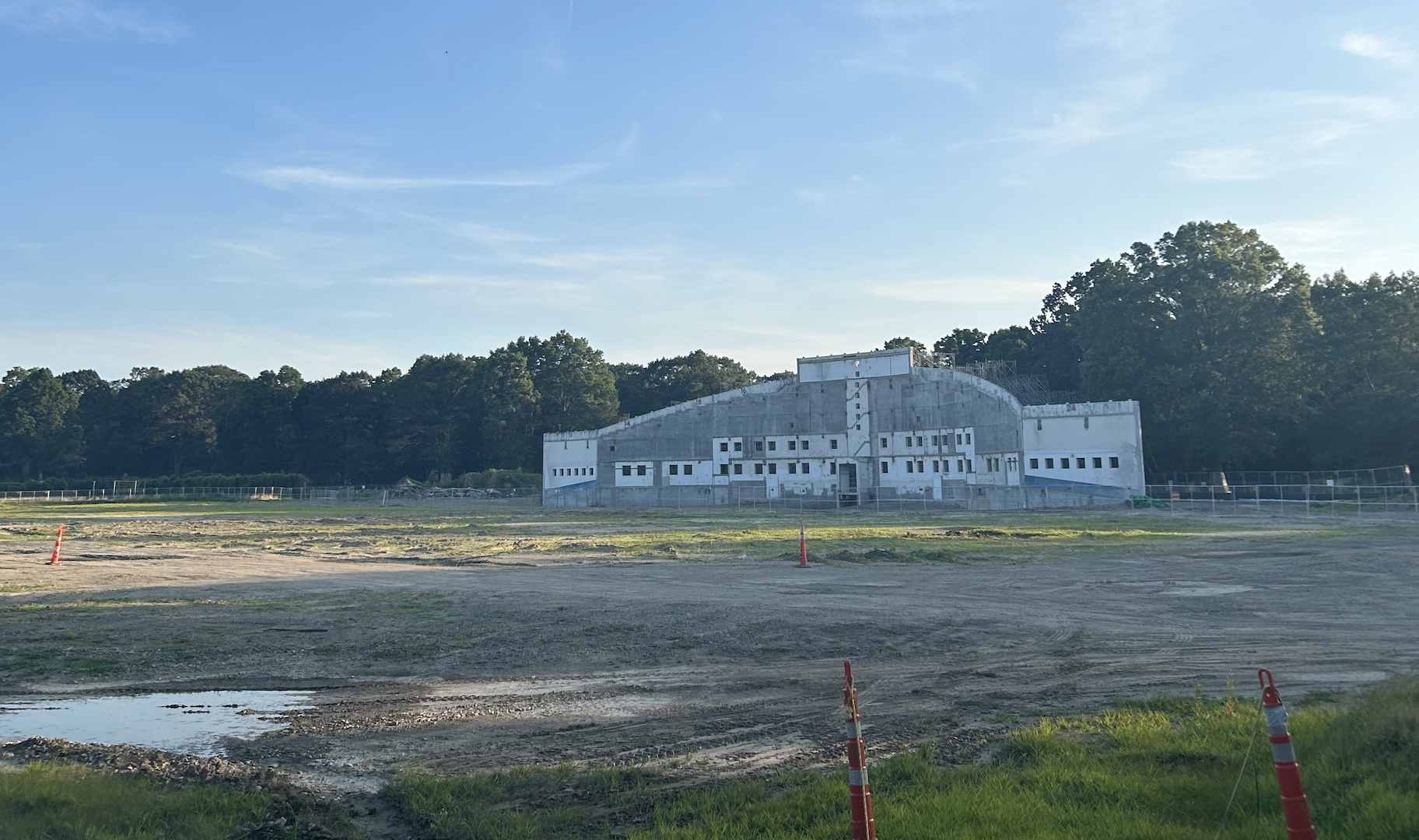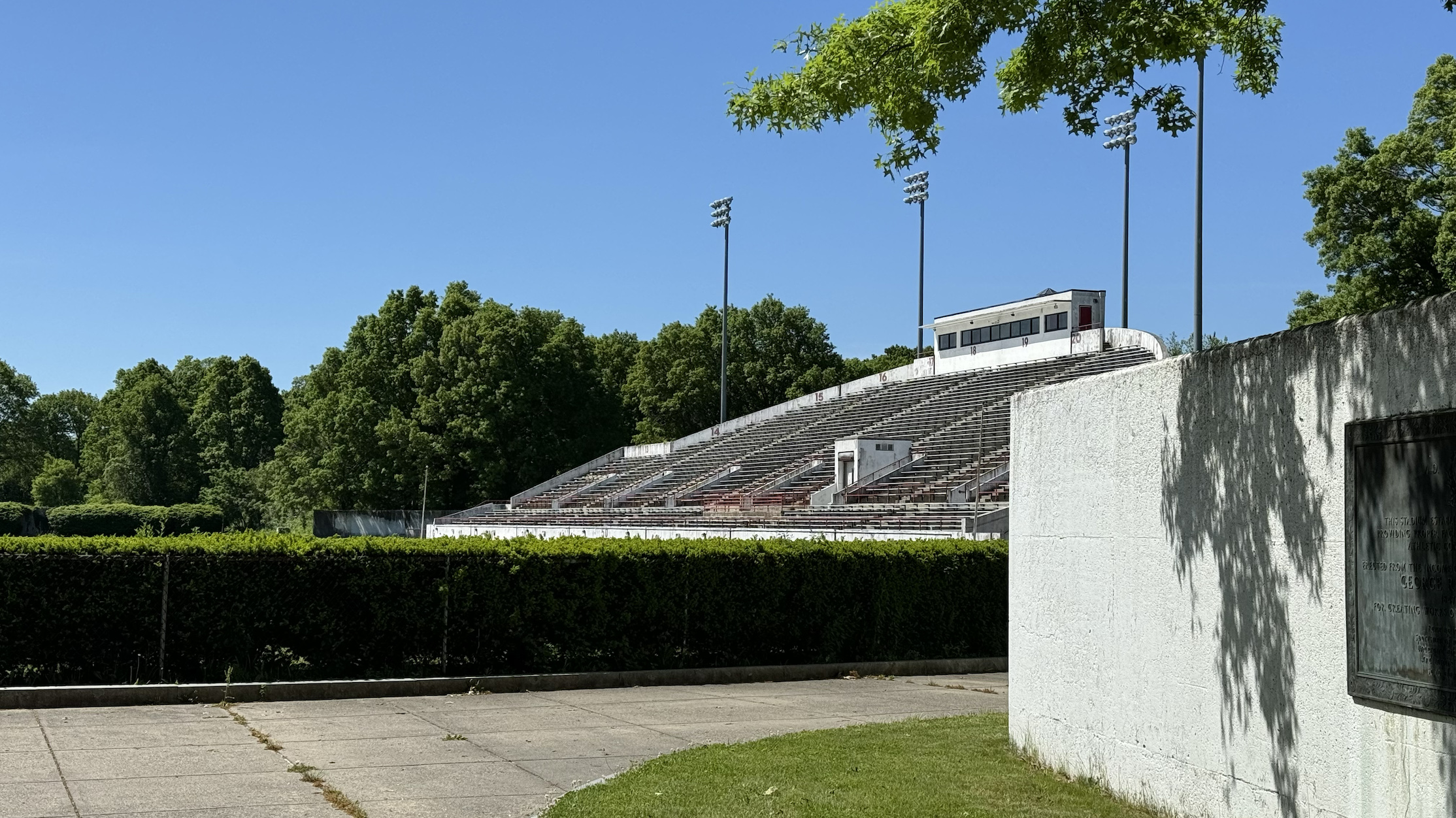


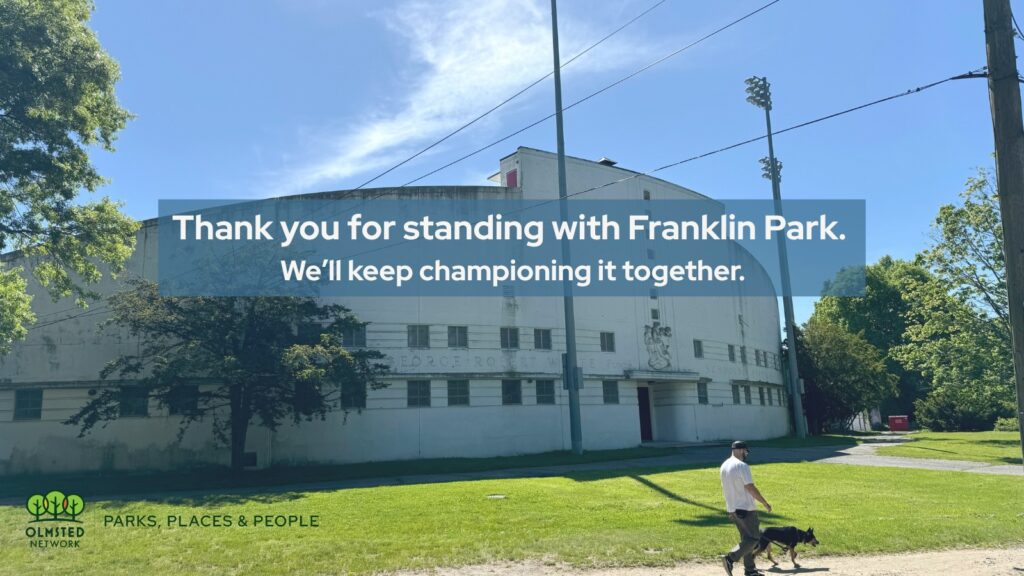
On August 19, the Massachusetts Supreme Judicial Court (SJC) affirmed a lower court ruling in favor of the City of Boston, a crushing defeat in the two-year fight to retain what parkland remains on the White Stadium parcel.
The Emerald Necklace Conservancy and twenty individual plaintiffs brought the suit in 2024. The Olmsted Network, joined by five partners from around the country, filed an amicus brief in April in support of the plaintiffs. We’re disappointed with this decision, but believe it offers an important lesson for those working to protect historic public landscapes across the country.
What the Court decided:
Article 97 requires a two-thirds vote of the Massachusetts Legislature before protected public land can be disposed of or converted to another use.
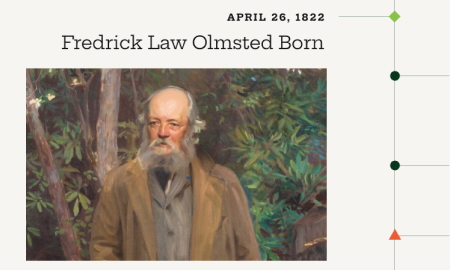
The SJC recognized that the White Stadium parcel was originally acquired as public parkland in 1883 and was part of the landscape Frederick Law Olmsted designed as Franklin Park. But the Court concluded that the parcel’s legal status changed long before Article 97 was adopted.
In 1947, the Legislature authorized Boston to transfer land, including parkland, to the George Robert White Fund, and the City subsequently transferred the 14-acre stadium parcel to the Fund. In 1950, the Legislature designated White Stadium and the land on it stood on as a “school building and yard.” Taken together, the Court found, those actions removed the parcel from its previous designation as parkland. By the time Article 97 was ratified in 1972, the White Stadium parcel, according to the SJC, was no longer parkland.
Importantly, the ruling does not remove Article 97 protections from the rest of Franklin Park.
The Court also concluded the team’s contractual access through portions of Franklin Park is a license, not an easement or other property interest requiring Article 97 approval. It also found that proposed pathway and utility work had not been shown to constitute a change in the surrounding parkland’s use.
Separately, the Court ruled that the plaintiffs lacked standing to enforce the terms of the George Robert White Fund and, therefore, did not reach the merits of those claims.
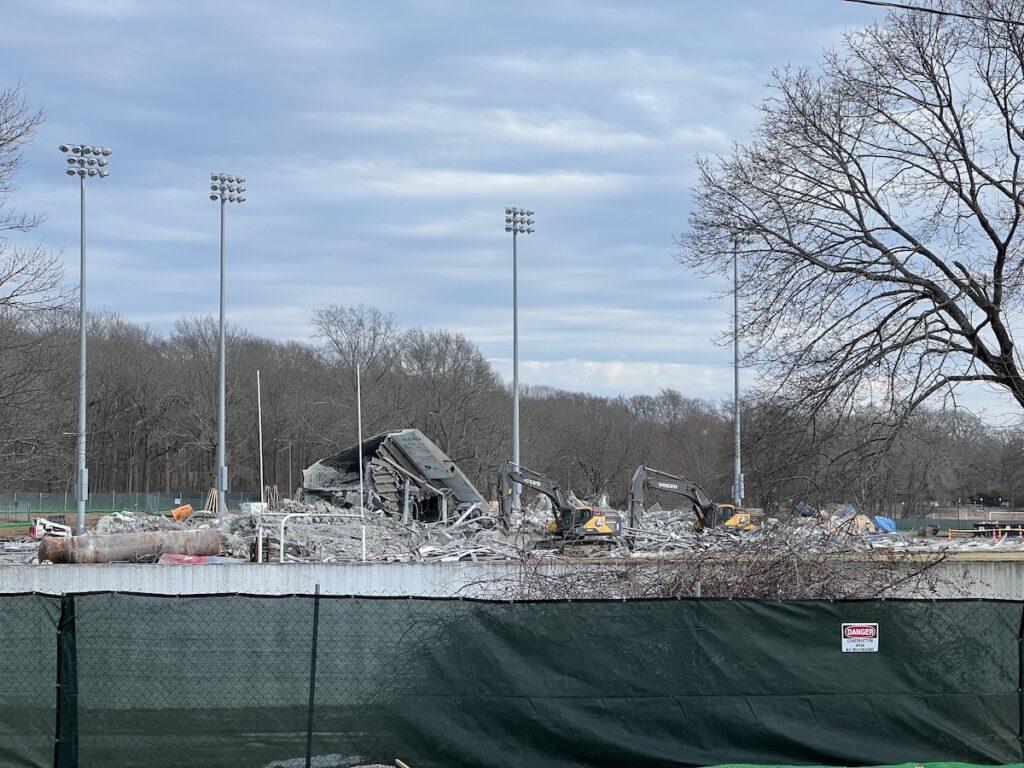
The result:
The lower court’s decision for the City stands, and the soccer stadium project can move forward without the two-thirds legislative approval required by Article 97.
As Emerald Necklace Conservancy President Karen Mauney-Brodek said in the organization’s recent statement, the project “will not be subject to the high level of scrutiny, formal review of alternatives, and required approvals” that the state’s constitutional public recreation land protections are intended to provide.
Why this matters beyond Boston:
White Stadium sits within one of the nation’s most significant Olmsted landscapes. Olmsted envisioned Franklin Park as an active public landscape, with the Playstead designed for recreation, athletics, civic gatherings, and other activities that would bring people together. His design accommodated different forms of public use and anticipated that the park would serve the changing needs of the city.
For park stewards elsewhere, the case is a reminder that the protections surrounding a historic public landscape may be more complicated than they appear. Here, the outcome hinged not on whether the White Stadium parcel began as parkland—the SJC agreed that it did—but on the legal effect of legislation enacted decades later. When a public landscape faces a major change in use, understanding its legal history and the specific protections that apply can be an important part of effective advocacy.
That lesson resonates with the Olmsted Network’s work across the country. We regularly engage with communities facing consequential changes to historic public landscapes and questions about development, commercialization, public access, and the durability of park protections. The laws and circumstances differ from place to place, but the underlying stewardship question is familiar: how do we allow public parks to evolve while ensuring that places created for public benefit remain public assets for generations to come?
Responsible stewardship is not about preventing change, but about ensuring that change respects the public purpose, historic character, and long-term value of these landscapes—and receives the transparency and public scrutiny that consequential decisions about shared public places deserve.
Public engagement matters, too. More than 1,000 residents and 38 neighborhood organizations joined the Franklin Park Defenders, while park, conservation, preservation, and environmental justice advocates from Massachusetts and across the country got involved in the case. Whatever the legal outcome, that sustained attention brought greater awareness to Franklin Park and to the challenges facing public greenspace nationwide.
Looking ahead:
While the legal case concluded, stewardship continues. We will support the community and groups who oppose a massive professional sports complex in Franklin Park in whatever course they take to halt or mitigate the adverse impacts this project will cause. At a bare minimum, we urge the City of Boston, Boston Public Schools, and Boston Legacy FC to provide meaningful opportunities for community input, and genuine partnership with the Emerald Necklace Conservancy and the neighborhoods that have long cared for Franklin Park.
To the Emerald Necklace Conservancy, the citizen plaintiffs, the Franklin Park Defenders, and all who stood up for Franklin Park: thank you. We’ll keep championing Franklin Park together, and we’ll continue working with communities across the country to steward and protect Olmsted parks and places for generations to come.